
HOTLINE: +91 851-114-2701
5 listings from verified sellers across India
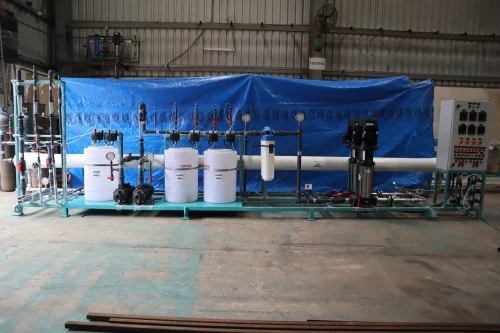
Mineral Water Plant
A mineral water plant is a facility dedicated to the production and bottling of purified and often mineral-enriched drinking water. The process typically involves sourcing raw water, subjecting it to various purification steps, optionally adding minerals, and then bottling it for commercial distribution.
Types of Mineral Water Plant
Packaged Drinking Water: Water that has been purified through processes like reverse osmosis, filtration, and disinfection, and then bottled. Often refers to water that may not contain natural minerals, or has minerals added back.
Natural Mineral Water: Water sourced from a protected underground reservoir, naturally pure, and characterized by its constant composition of minerals and trace elements. It is minimally treated (e.g., filtration, ozone for disinfection) to preserve its original properties.
Sparkling Mineral Water: Natural mineral water or purified water infused with carbon dioxide to make it effervescent.
Flavored Water: Purified or mineral water with added natural or artificial flavors.
Applications in Various Industries
Food & Beverage Industry: The primary application, serving consumer demand for safe, convenient, and often premium drinking water.
Hospitality & Tourism: Providing bottled water in hotels, restaurants, and resorts.
Retail & Supermarkets: Dominant presence on shelves for consumer purchase.
Technology in a Mineral Water Plant:
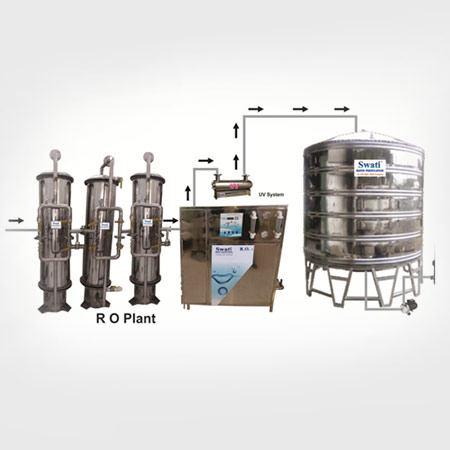
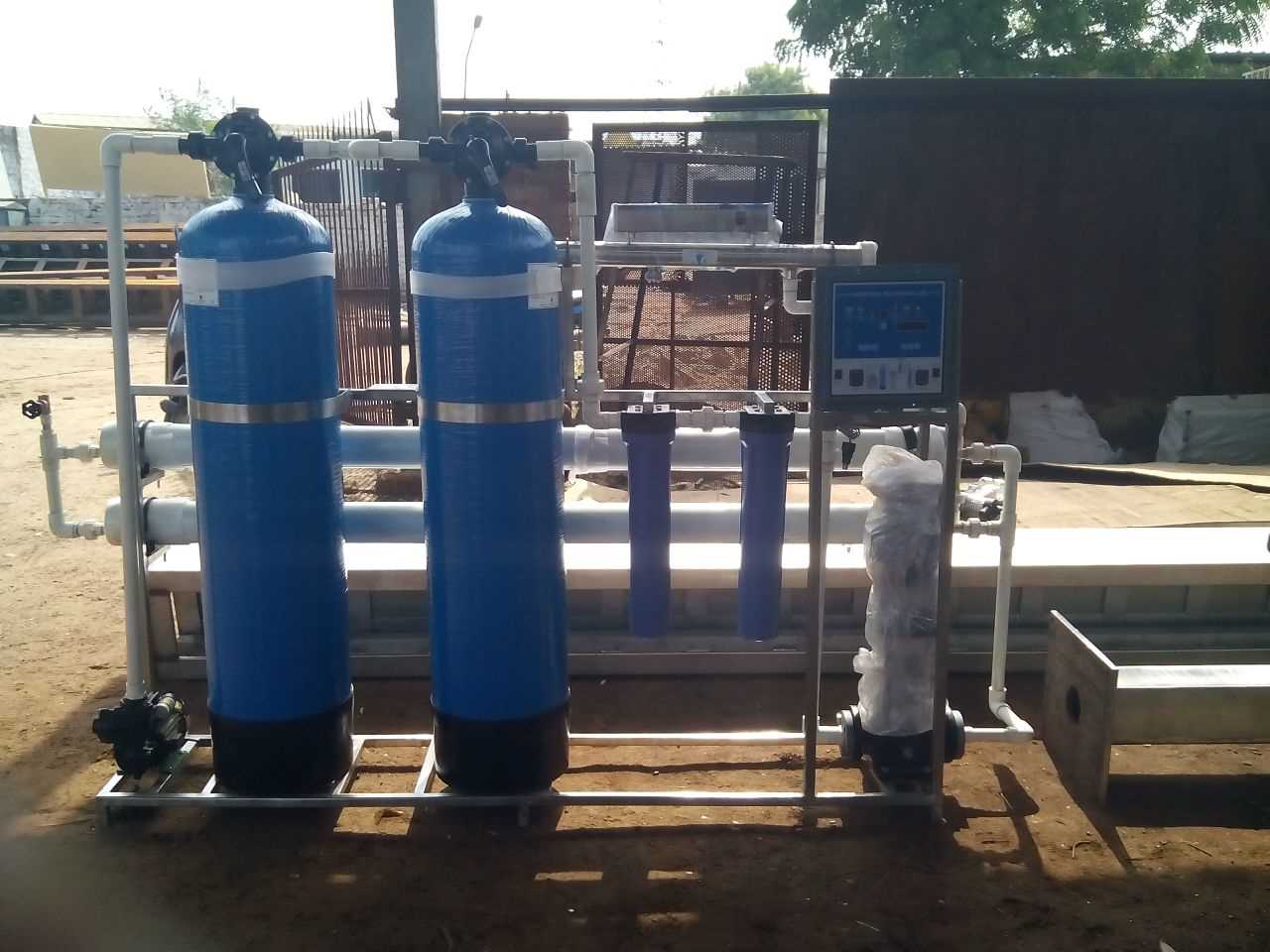
Water Source & Pre-treatment: Borewells, municipal supply, or surface water. Pre-treatment includes sand filters, activated carbon filters, multi-media filters to remove suspended solids, chlorine, and organic matter.
Purification:
Reverse Osmosis (RO): A key technology to remove dissolved solids, salts, bacteria, and viruses.
Ultrafiltration (UF) / Nanofiltration (NF): Membrane filtration for removing smaller particles, colloids, and some dissolved solids.
UV Sterilization: Disinfection using ultraviolet light to kill microorganisms.
Ozonation: Disinfection and oxidation using ozone gas, which breaks down into oxygen, leaving no residual chemicals.
Mineral Dosing (Optional): Automated systems to add food-grade minerals like calcium, magnesium, and potassium to achieve desired taste and health benefits.
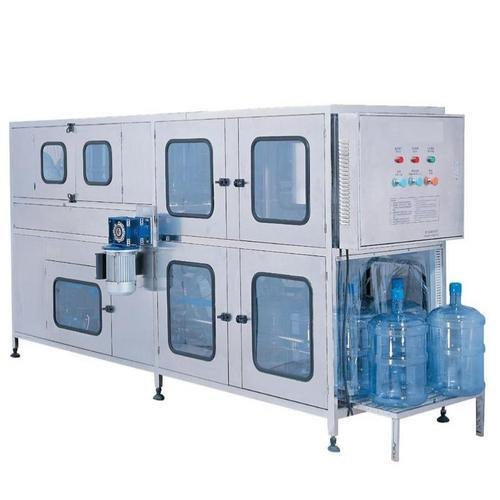
Bottling Line: Automatic bottle rinsing, filling (volumetric, gravimetric), capping, labeling, date coding, shrink wrapping, and palletizing.
Quality Control: Inline sensors, laboratory testing for microbial counts, pH, TDS (Total Dissolved Solids), and mineral content to ensure compliance with BIS (Bureau of Indian Standards) IS:14543 or international standards.
Material Selection Considerations
Everything you need to know about mineral water plant
Mineral water comes from the reservoirs that are underground. Mineral water does not go into any chemical processing like regular drinking water. Mineral water contains high quantities of minerals like magnesium, calcium, sodium, etc.
Mineral Water is water formed from a mineral spring that contains various minerals, this mineral can be salts, sulfur compounds, etc. Mineral water can be sparkling or still depending upon the presence or absence of added gases.
Mineral Water is produced by adding salts to distilled water artificially or by accelerating this water with carbon dioxide. The mineral contents provided in this can be both natural
and artificial depending upon various factors.
Health Benefits of Mineral Water: 1. Improves Heart Health. 2. Lowers Blood Pressure, 3. Helps to reduce symptoms of Constipation, 4. Other such health risks are avoided.