
HOTLINE: +91 851-114-2701
2 listings from verified sellers across India
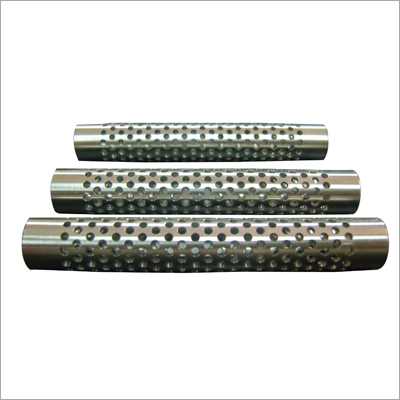
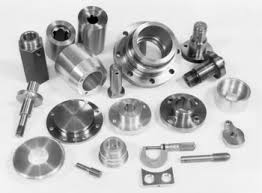
CNC Machined Components
CNC (Computer Numerical Control) machined components are precisely manufactured parts produced using automated machines controlled by computer programming. CNC machines are widely used in industries requiring high-precision and complex geometries, making them essential for producing high-quality components. These machines operate with various tools such as drills, lathes, and mills to create components with exceptional accuracy, which is difficult to achieve with manual processes.
The rise of CNC technology has revolutionized manufacturing by significantly improving efficiency, repeatability, and accuracy. CNC machines allow for the rapid production of intricate components with reduced human error, making them ideal for industries such as automotive, aerospace, medical devices, and more. Components made with CNC machining are known for their high tolerances, uniformity, and consistency.
Types of CNC Machined Components
CNC Turned Components
Description: CNC turned components are parts produced using a CNC lathe, where the material is rotated while a cutting tool shapes the component. This type of machining is ideal for creating cylindrical or tubular parts such as shafts, bushings, and gears.
Applications: CNC turned components are used in industries like automotive (engine components), aerospace (landing gear parts), and medical (surgical instruments).
CNC Milled Components
Description: CNC milling involves the use of rotary cutters to remove material from a workpiece. This technique can create flat surfaces, slots, and other complex features. Milled components typically feature multiple faces, pockets, and holes.
Applications: These components are common in industries requiring parts like engine blocks, turbine blades, and precision tools. They are also found in electronics, robotics, and defines sectors.
CNC Drilled Components
Description: CNC drilling uses a rotating drill bit to create holes of varying sizes and depths. This process is ideal for producing holes in parts with exact dimensions and spacing, which is essential in many industries.
Applications: Used in the production of circuit boards, aerospace components (for rivets and fasteners), and automotive parts (engine blocks with precise hole placements).
CNC Cut Components
Description: CNC cutting components involve the use of CNC machines with cutting tools to make precise cuts, often creating complex shapes. This process can be used for both metal and non-metal materials.
Applications: Common in industries such as automotive (chassis and body parts), electronics (frames and housings), and general manufacturing (sheet metal cutting).
CNC Threaded Components
Description: CNC threading is a machining process used to create precise internal or external threads on components. The threads are cut using CNC lathes or milling machines, ensuring accuracy and uniformity.
Applications: These components are essential in industries like automotive (bolts and fasteners), aerospace (threaded connectors), and machinery manufacturing.
CNC EDM (Electrical Discharge Machining) Components
Description: CNC EDM is a specialized machining process used to create intricate parts with high precision. It uses electrical discharges (sparks) to erode material from the workpiece, allowing for the creation of fine details and complex geometries.
Applications: Commonly used for high-precision components in industries such as aerospace (turbine blades, precision Molds), automotive (dies, gears), and medical (surgical tools).
CNC Laser Cut Components
Description: CNC laser cutting uses a high-powered laser to cut or engrave materials. It is highly accurate and capable of creating parts with fine details and complex shapes.
Applications: Used in industries such as sheet metal fabrication, automotive manufacturing (body panels), and signage (cutting logos or patterns).
CNC Polished Components
Description: CNC polishing is a finishing process used to smooth and refine the surface of machined components. It can be done using various tools to create a high-gloss finish and improve the appearance of the part.
Applications: Often used in industries where the aesthetic quality of the part is important, such as medical (implants), electronics (display frames), and automotive (engine covers).
Applications in Various Industries
Automotive Industry
CNC machined components are heavily utilized in the automotive industry for parts like engine blocks, transmission parts, gears, and suspension components. The automotive sector requires high precision, especially in engine assembly and chassis manufacturing, making CNC machining a vital process for producing functional and reliable parts.
Aerospace Industry
The aerospace industry requires components that meet stringent safety and performance standards. CNC machining is used to produce high-precision parts like turbine blades, aerospace fasteners, and engine components. The ability to produce lightweight yet durable components makes CNC machining ideal for aerospace applications.
Medical Industry
In the medical field, CNC machined components are essential for producing surgical instruments, implants, prosthetics, and medical devices that require exact specifications. High precision and reliability are critical, and CNC machining ensures that these components meet medical standards for safety and functionality.
Electronics Industry
CNC machined components are used in the electronics industry for the production of housings, circuit boards, connectors, and casings. Components that require complex geometric shapes or fine details are often machined using CNC technology to ensure the precise functionality and design of electronic products.
Defence and Military
CNC machining plays a significant role in the defence and military sectors, where components such as precision ammunition parts, military-grade equipment, and avionics need to meet strict durability and accuracy standards. CNC machined parts ensure that military systems perform at their best.
Tool and Die Manufacturing
CNC machined components are used in tool and die manufacturing to create molds, dies, and other tools that are essential for mass production processes. These tools require precision to produce high-quality parts and products.
Consumer Products
CNC machining is employed in the manufacturing of consumer products such as appliances, furniture, and sports equipment. Precision parts like gears, handles, and casings are commonly produced using CNC techniques.
Energy and Power Generation
CNC machined components are used extensively in energy production, such as in wind turbines, power plants, and oil rigs. These components need to withstand harsh environmental conditions and require precision for optimal performance.
Material Selection Considerations