
HOTLINE: +91 851-114-2701
1 listings from verified sellers across India
Coal Testing Equipment’s
Coal testing equipment refers to a range of specialized instruments and apparatus used to analyze the physical and chemical properties of coal. This analysis is crucial for determining coal quality, suitability for various applications (power generation, steelmaking, industrial fuel), optimizing combustion processes, ensuring environmental compliance, and for commercial trading.
Types of Coal testing equipment
Proximate Analysis Equipment: Determines the main components:
Moisture Content Analyzers: Ovens (air-drying, vacuum), moisture balances.
Volatile Matter Furnaces: Furnaces that heat coal in an inert atmosphere to determine volatile content.
Ash Content Furnaces (Muffle Furnaces): High-temperature furnaces for burning off combustible material to determine ash residue.
Fixed Carbon Calculators: Calculated by difference.
Ultimate Analysis Equipment: Determines elemental composition:
Carbon, Hydrogen, Nitrogen (CHN) Analyzers: Elemental analyzers using combustion and gas analysis.
Sulfur Analyzers: High-temperature furnaces with detectors (e.g., infrared) for sulfur content.
Oxygen Analyzers: Calculated by difference or direct measurement.
Calorific Value Determination Equipment:
Bomb Calorimeters: Measure the heat released when a sample of coal is completely combusted in a bomb under high pressure oxygen. Determines gross calorific value (GCV) or higher heating value (HHV).
Physical Property Testing Equipment:
Grindability Index Testers (Hardgrove Grindability Index - HGI): Measures the ease with which coal can be pulverized.
Sieve Shakers/Particle Size Analyzers: Determine coal particle size distribution.
Density/Specific Gravity Meters: For bulk density and true density.
Ash Fusion Temperature (AFT) Testers: Determine the temperature at which coal ash deforms and flows, critical for boiler design and slagging issues.
Caking & Coking Property Testers: For metallurgical coals (e.g., Free Swelling Index - FSI, Gray-King coke test).
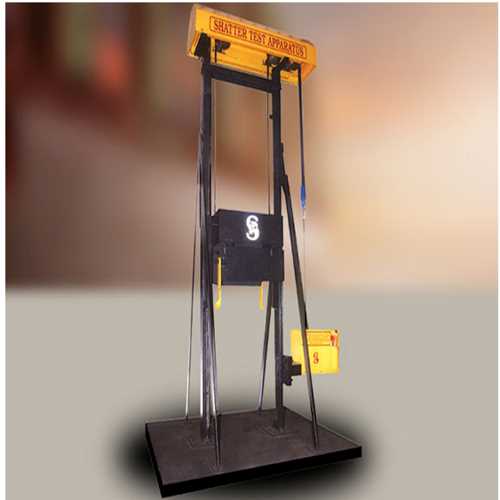
Drop Shatter Test/Tumbler Test: Measure coal's resistance to breakage during handling.
Applications in Various Industries
Power Generation (Thermal Power Plants):
Fuel Quality Control: Ensures consistent energy output, optimizes combustion, and prevents boiler issues (slagging, fouling).
Emission Control: Knowing sulfur and ash content helps in managing SOx and particulate emissions.
Fuel Procurement: Determines the economic value of coal purchases.
Steel Industry (Coke Production):
Coking Coal Quality: Tests like FSI are vital for assessing a coal's ability to produce strong metallurgical coke, essential for blast furnaces.
Cement Industry: Used as fuel in kilns, testing ensures efficient combustion and minimal impact on clinker quality.
Industrial Boilers: Ensures efficient and clean burning for various industrial processes.
Coal Trading & Logistics: Essential for setting prices, ensuring quality adherence in contracts, and minimizing transportation risks.
Research & Development: For developing new coal utilization technologies, coal blending strategies, and understanding coal geochemistry.
Technology & Automation:
Automation: Many modern testing machines are highly automated, reducing manual intervention, improving throughput, and ensuring repeatability.
Software Integration: Data acquisition, analysis, and reporting software are standard, often with LIMS (Laboratory Information Management System) integration.
Online Analyzers: In-line instruments (e.g., for moisture, ash) provide real-time data for process control in coal handling plants.
Advanced Sensors: For precise temperature control, gas analysis, and mass measurement.
Compliance with Standards: Equipment designed to meet international standards (ASTM, ISO, BIS) for coal analysis.
Material Selection Considerations