
HOTLINE: +91 851-114-2701
1 listings from verified sellers across India
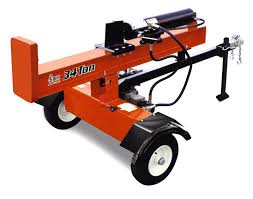
Wood Working Machines
Woodworking machines are powered machines designed to cut, shape, and finish wood and wood-based materials. These include saws (table saws, band saws, circular saws), planers, jointers, sanders, drills, routers, and lathes (for wood turning) among others. In general, a woodworking machine mechanically processes lumber or panels according to set dimensions. As noted, “a woodworking machine is a machine that is intended to process wood” and is usually motor-driven.
Types Wood Working Machines
Woodworking machines can be classified by operation and automation level:
Stationary vs Portable: Stationary machines are floor-mounted (table saws, jointers, sanding stations). Portable power tools include hand-held routers, drills, and circular saws.
Function: Cutting (saws, CNC routers), shaping (planers, shapers), joining (dovetail machines), finishing (sanders, polishers). Each performs a different operation on wood.
CNC vs Manual: Traditional mechanical machines require manual feed. Modern CNC woodworking machines (like CNC routers) are computer-controlled for high precision and repeatability. (A specific CNC router is covered separately below.)
Single- vs Multi-Purpose: Some equipment is single-task (e.g. a miter saw), while others are multi-purpose (e.g. CNC machining centers, combination jointers-planers).
Size/Scale: Hobbyist bench-top tools up to industrial cabinetmaking systems or panel lines.
Applications in Various Industries
Woodworking machines are used wherever wood products are made or processed:
Furniture and Cabinetry: Cutting and shaping wood for cabinets, furniture frames, doors. CNC routers carve decorative panels.
Construction: Producing lumber components, moldings, flooring, and structural wood elements.
Joinery and Millwork: Creating window frames, trim, stair parts.
Packaging and Pallets: Cutting wood for crates, pallets, and other packaging.
Musical Instruments and Crafts: Precise cutting for guitars, violins, carvings.
DIY and Hobbyist: Smaller routers, scroll saws, and lathes for hobby projects.
Material Selection Considerations
Key machine components are chosen for rigidity, durability, and wear resistance: