Cement Block Making Machine Manufacturer

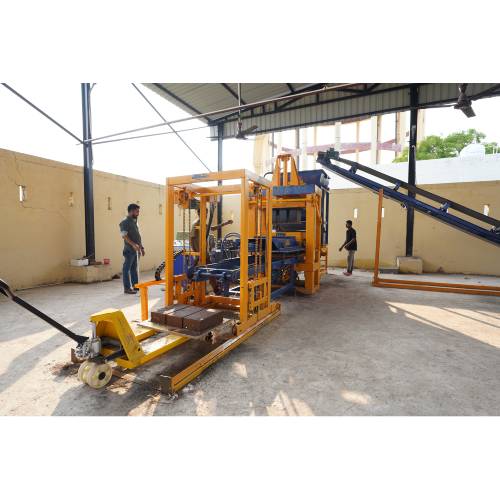
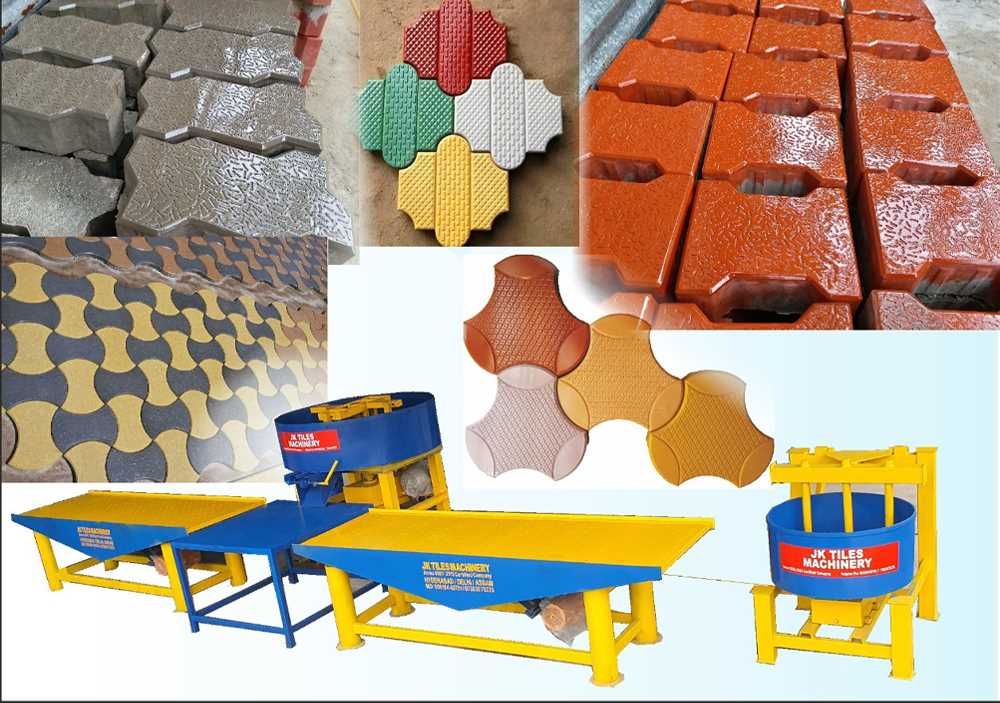
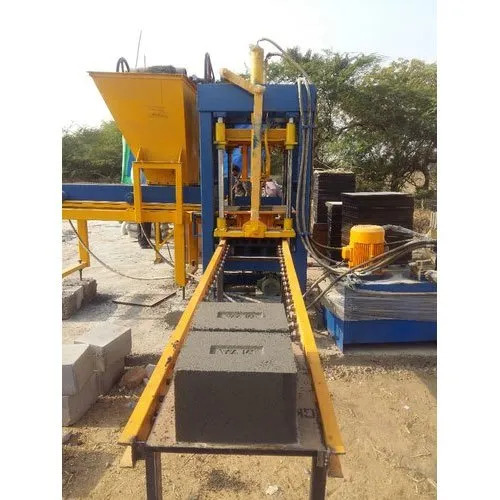
A Cement Block Making Machine is a highly engineered mechanical device designed to produce concrete blocks used in construction. These machines are capable of manufacturing a variety of cement-based blocks such as hollow blocks, solid blocks, paving blocks, interlocking bricks, and more by compressing a concrete mix into a mould. These machines are widely recognized for their automation capabilities, high productivity, and uniform quality of blocks.

A Cement Block Making Machine is a specialized industrial device designed to produce solid and hollow concrete blocks, pavers, and bricks using cement, sand, and aggregates. The machine automates the process of mixing, molding, compacting, and curing, resulting in high-strength building blocks used extensively in construction. These machines have become indispensable in modern infrastructure projects, offering a cost-effective and efficient alternative to traditional brick-making methods.

Core Functions and Purpose

The core purpose of a cement block making machine is to streamline the production of masonry units with consistent quality, size, and strength. Its key functions include:

  • Material Mixing: Combining raw materials such as cement, sand, fly ash, and gravel in precise ratios.
  • Molding and Compaction: Filling molds with the mixed material and applying vibration or hydraulic pressure to shape blocks.
  • Curing: Ensuring the blocks achieve desired compressive strength through natural or steam curing.

By mechanizing these steps, manufacturers achieve faster output, reduced labor dependency, and minimal material wastage. These machines also support sustainable building practices by incorporating industrial waste materials like fly ash or slag.

Product Types & Specifications

Classification Based on Capacity and Design

Cement block making machines are broadly categorized according to their operational capacity, automation level, and design. The main classifications include:

Manual Cement Block Making Machine:

  • Operated by hand, suitable for small-scale or rural construction projects.
  • Produces limited output per hour.
  • Ideal for startups or low-investment applications.

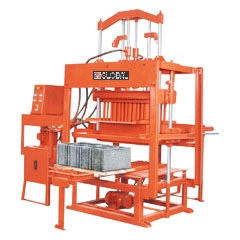
Semi-Automatic Block Making Machine:

  • Combines manual feeding with mechanical compaction and vibration.
  • Moderate production rate (1,000–3,000 blocks per shift).
  • Requires limited technical expertise and offers higher consistency.

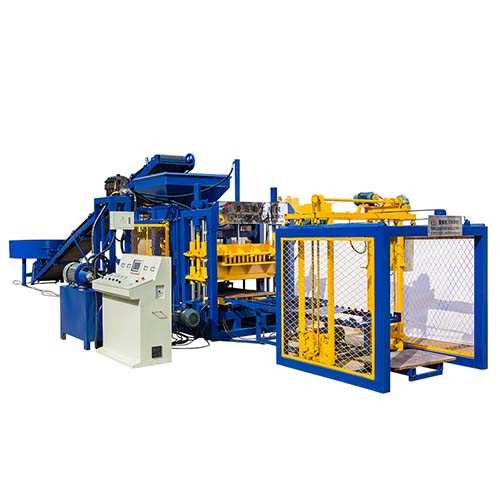
Fully Automatic Block Making Machine:

  • Features automated material feeding, compaction, and ejection.
  • High output capacity (up to 10,000 blocks per shift).
  • Incorporates PLC-based control systems for accuracy and efficiency.

Hydraulic Block Making Machine:

  • Uses hydraulic pressure for block compaction.
  • Ensures superior density, strength, and finish.
  • Commonly used for high-quality load-bearing blocks.

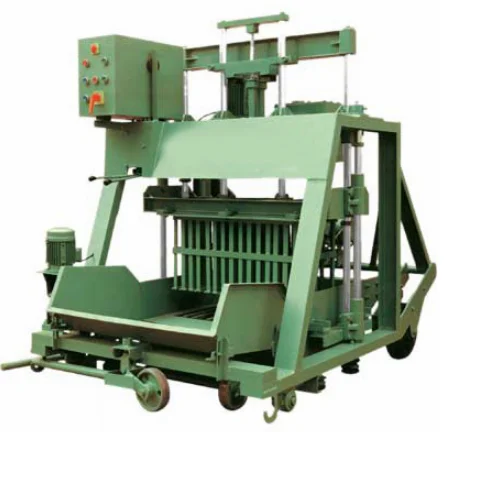
Mobile or Egg-Laying Type Machine:

  • Moves on wheels and lays blocks directly on the concrete floor.
  • Eliminates pallet use, reducing production costs.
  • Suitable for on-site manufacturing.

Technological Variants and Features

Modern cement block making machines integrate several technological advancements, such as:

  • Vibration and Pressure Synchronization: For uniform density and shape.
  • Automatic Material Feeding and Weighing Systems: To ensure consistent mix ratios.
  • Programmable Logic Controllers (PLC): For precise process control.
  • Multi-Block Molds: Enabling the production of varied block shapes and sizes (solid, hollow, paver).
  • Energy-Efficient Motors and Drives: Reducing operational costs.

pplications & Use Cases

Primary Industries and Sectors

Cement block making machines are primarily utilized in the construction and infrastructure sectors. Key application areas include:

  • Residential and Commercial Buildings: Production of load-bearing walls, partition blocks, and boundary walls.
  • Industrial and Institutional Structures: Warehouses, factories, and school buildings often use cement blocks for their durability.
  • Urban Infrastructure Projects: Sidewalks, pavements, retaining walls, and roadside drains employ paver and hollow blocks.
  • Government and Housing Schemes: Widely adopted under affordable housing and smart city initiatives.

Common Usage Scenarios

  • On-Site Block Manufacturing: Contractors use mobile or egg-laying machines to produce blocks directly at construction sites, minimizing transport costs.
  • Block Manufacturing Units: Medium to large enterprises set up dedicated plants with automated systems for mass production and distribution.
  • Rural Development Projects: Small manual machines serve local construction needs, providing employment and supporting low-cost housing.

Benefits and Efficiencies

Cement block making machines offer several operational and economic benefits:

  • Uniformity and Quality Control: Consistent shape, density, and strength compared to handmade blocks.
  • Reduced Labor Costs: Automation minimizes manual involvement.
  • Eco-Friendly Production: Utilization of waste materials reduces reliance on natural clay.
  • Durability and Strength: Cement blocks resist weathering and provide better sound and thermal insulation.
  • Scalability: Suitable for both small and large-scale operations.

We have the best deals for Cement Block Making Machine at Indian Trade Bird. We are the leading manufacturer, supplier, exporter, and retailer Cement Block Making Machine Automatic Cement Block making machine, Semi-Automatic Cement Block making machine, Manual Cement Block making machine and many more. Our products are of superior quality and are highly appreciated by our clients owing to its low maintenance and rugged construction. It is used for increased bulk density. Our Paver Block Making Machine are highly demanded in the market due to their optimum efficiency, utility, and durability. The machine manufactured is assembled from the top quality component and advanced technology. These machines are highly beneficial as it provides complete automation, excellent performance, high production rates, and the best quality production. The material is model into a solid compact sheet or flakes of ingredients as the volume decreases through the maximum pressure field. We have excellent distribution channels that enable us to make timely deliveries of all orders. Furthermore, the machine offered is examined on several quality parameters to deliver hassle-free products.

Popular Search:

Concrete Block Making Machine | Automatic Concrete Block Making Machine | Semi Automatic Concrete Block Making Machine | Manual Concrete Block Making Machine | Industrial Concrete Block Making Machine | Double Station Concrete Block Making Machine | Hydraulic Concrete Block Making Machine | Fully Automatic Concrete Block Making Machine

FAQ's

How does a Cement Block Making Machine work?
The process begins with mixing raw materials in a pan or concrete mixer. The mixture is then poured into molds, where vibration and hydraulic pressure compact the material into strong, uniform blocks. After molding, the blocks are cured for several days to achieve full strength.

What raw materials are used for making cement blocks?

The main ingredients include cement, sand, stone dust, and water. Fly ash or other additives can be used to enhance block strength, reduce weight, and improve finish quality.

What is the production capacity of Cement Block Making Machine?
The capacity depends on machine size and automation level. A semi-automatic model can produce 2000 to 5000 blocks per shift, while a fully automatic machine can produce 10000 to 15000 blocks per day.

What are the types of Cement Block Making Machines?

There are three main types of manual, semi-automatic, and fully automatic. Manual machines are cost-effective for small-scale production, semi-automatic machines combine manual operations with automation, and fully automatic machines deliver large-scale production with minimal labor involvement.

What is a Cement Block Making Machine?

A cement block making machine is industrial equipment used to manufacture solid, hollow, and interlocking cement blocks for construction purposes. It mixes cement, sand, aggregates, and water, then uses vibration and hydraulic pressure to form uniform, high-strength blocks suitable for walls, pavements, and foundations.

Scroll to Top