
HOTLINE: +91 851-114-2701
24 listings from verified sellers across India
.jpg)

.jpg)
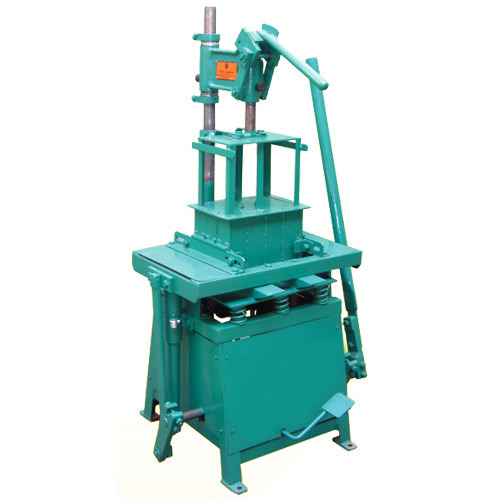
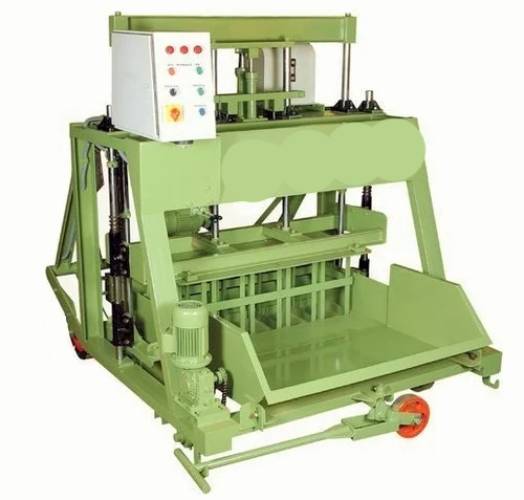
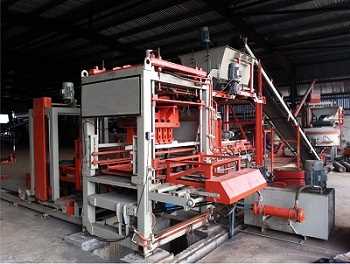
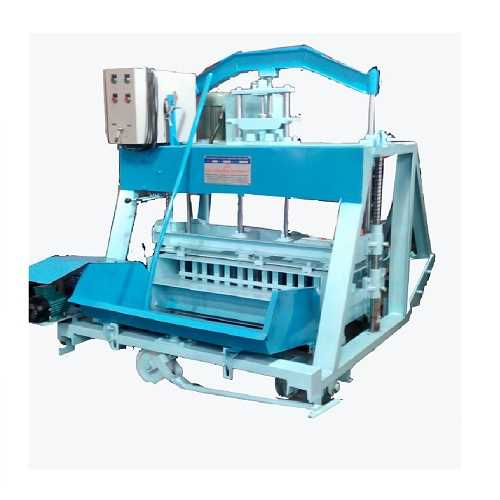
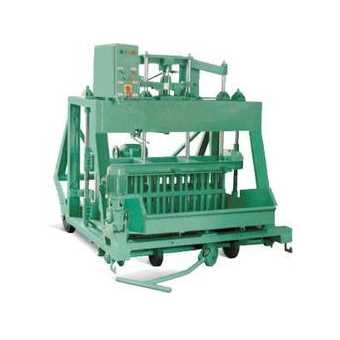
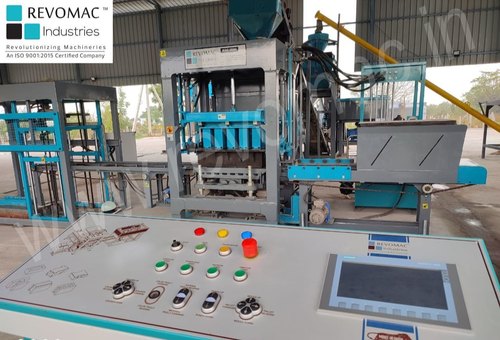
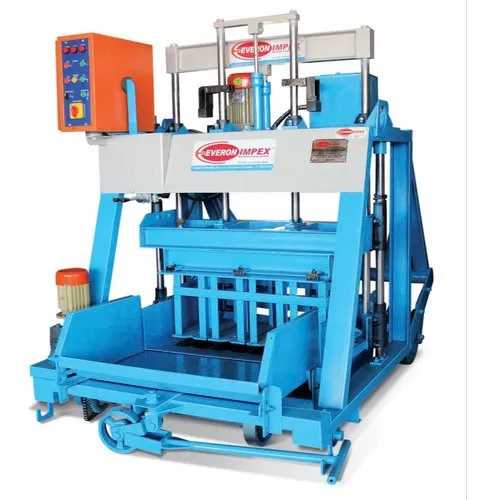
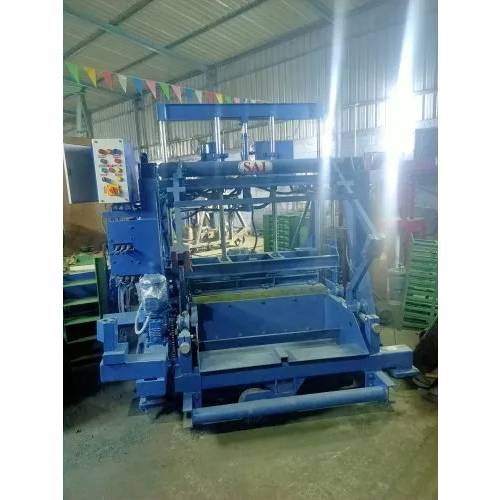
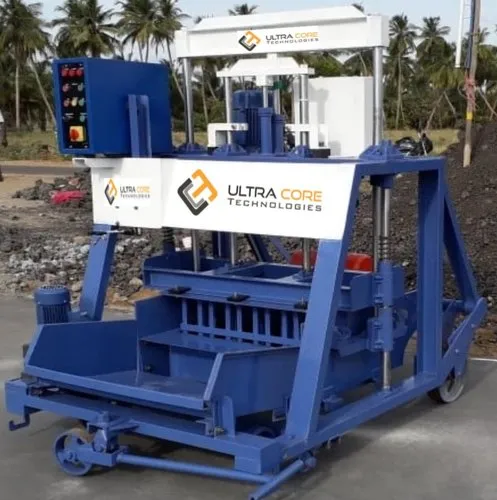
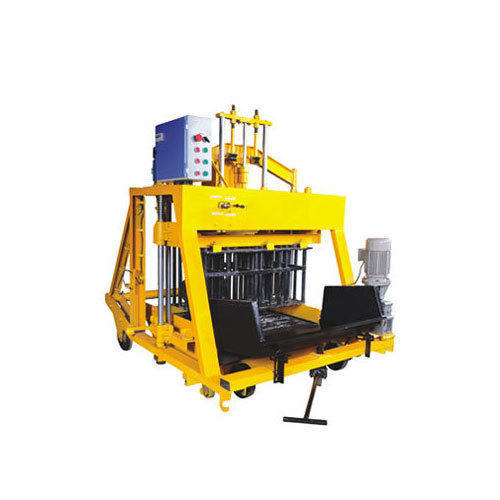
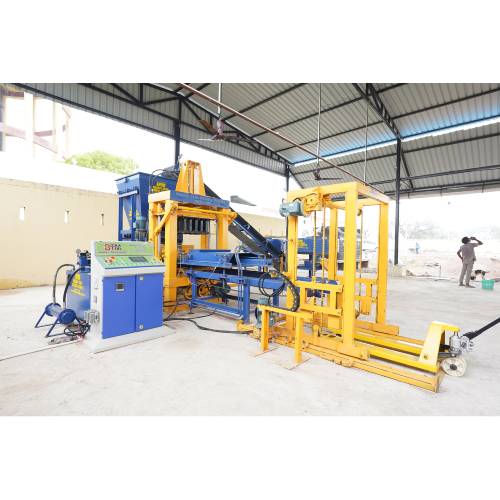
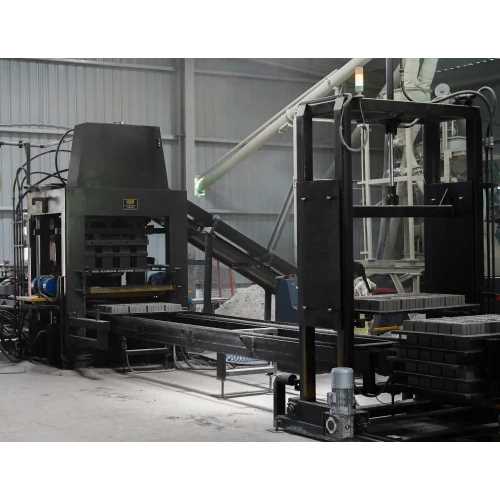
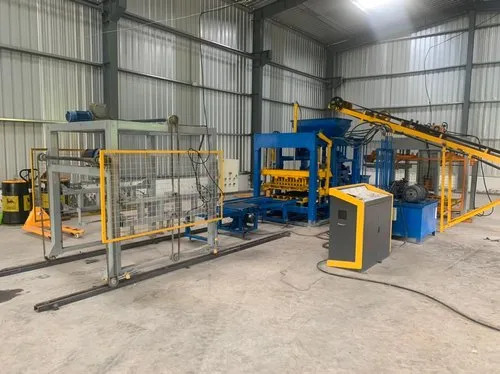
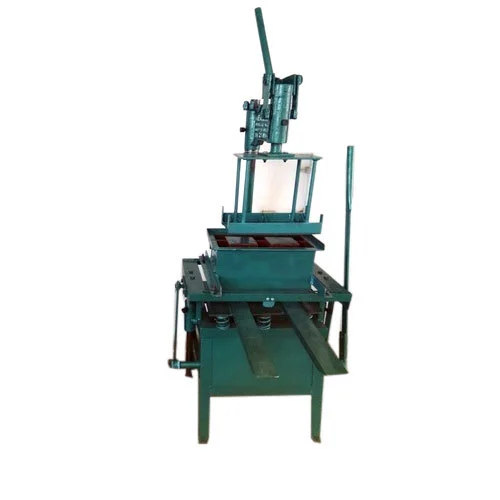
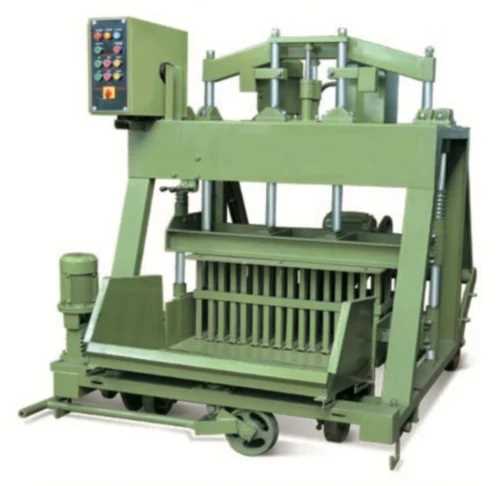
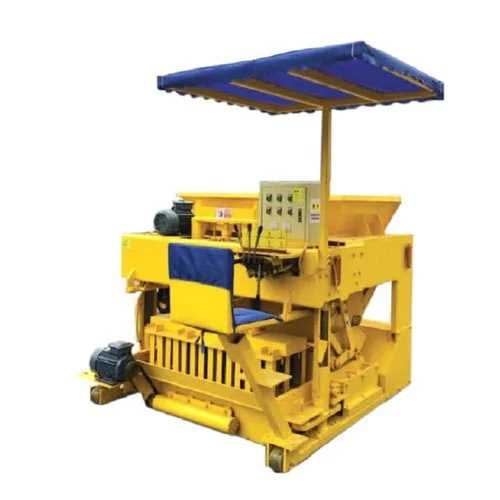
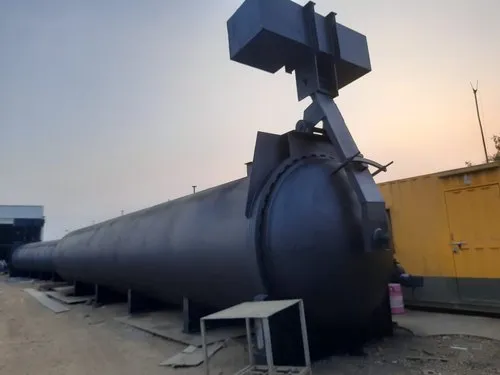
Concrete block making machines are industrial systems designed to produce masonry units — from hollow and solid concrete blocks to pavers, curbstones and interlocking units — by compacting a cementitious mix into moulds and curing the finished elements. At a basic level the machine meters a mix (cement, sand, aggregates, sometimes fly ash or slag), feeds it into moulds, vibrates/presses the material for consolidation, then ejects finished blocks onto pallets for curing. Machine variants range from small, manually-fed hydraulic or mechanical units for on-site production, to fully automatic production lines capable of thousands of blocks per hour for factory environments.
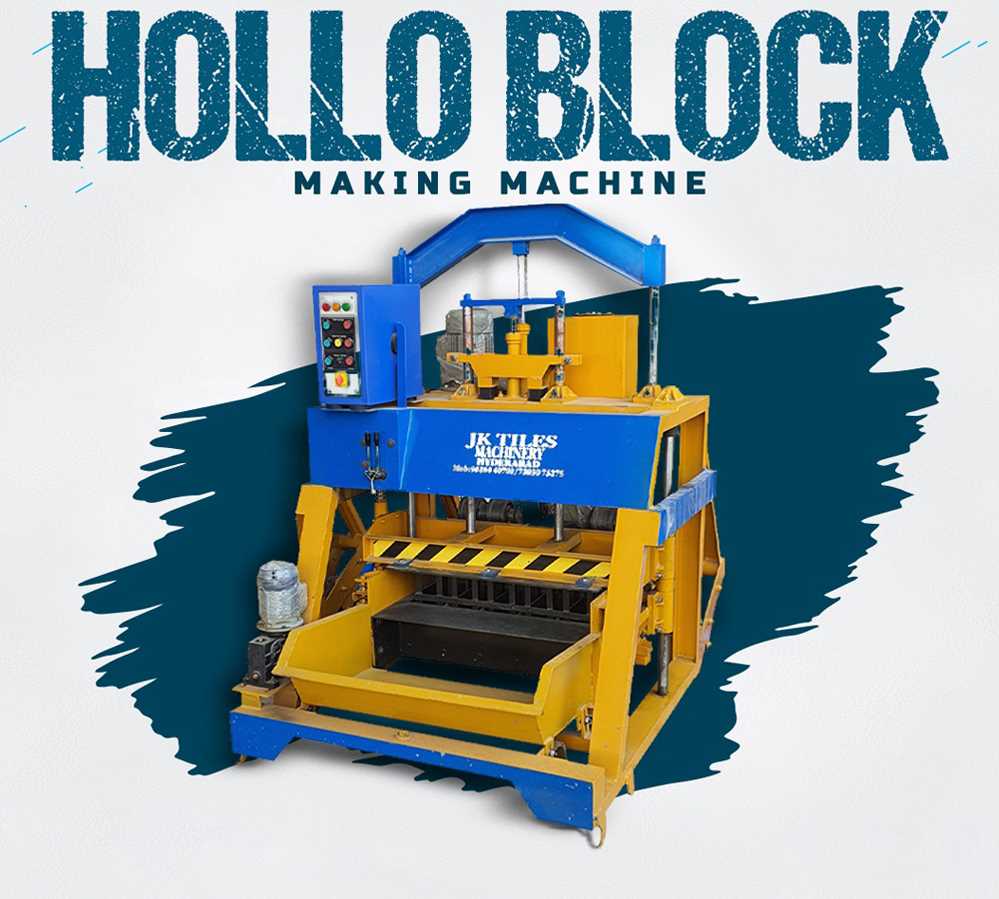
A Concrete Block Making Machine is a specialized industrial device used to manufacture concrete blocks for construction purposes. These blocks—ranging from hollow, solid, interlocking, and paving types—are essential components in residential, commercial, and infrastructure projects. The machine automates the mixing, molding, compacting, and curing of raw materials such as cement, sand, aggregates, and water to produce high-strength blocks with consistent quality.
Product types & specifications
Manufacturers classify block machines using several axes: automation level, production capacity, forming technology, and machine layout.
By automation
By capacity
By forming technology
Variants and common models
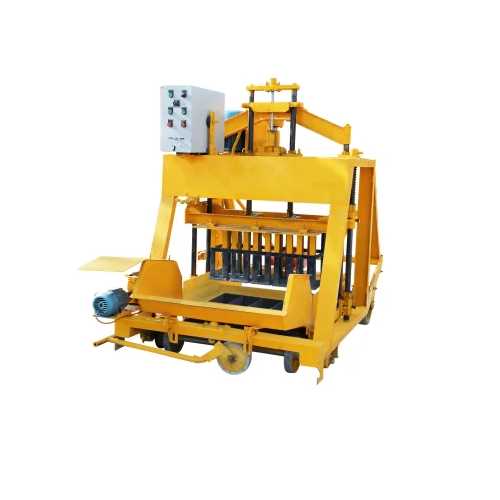
Paver block machines, interlocking block machines, hollow block machines, solid block machines, curbstone machines, and mobile block units. Global manufacturers (from China, Turkey, USA and Europe) offer model families targeted at specific capacities and product mixes — for example mobile units that can be transported between sites, or fully integrated factory lines with mixers and automated pallet systems. Manufacturers such as QGM, Besser, Columbia Machine and several Turkish and Indian firms offer defined model ranges to match these categories.
Applications & use cases
Concrete block making machines serve a wide cross-section of construction and infrastructure uses:
Primary industries/sectors
Common scenarios
Benefits and efficiencies
We have the best deals for Concrete Block Making Machine at Indian Trade Bird. We are the leading manufacturer, supplier, exporter, and retailer Concrete Block Making Machine like interlocking brick-making machines, Brick Making Machine, clay brick-making machines, concrete brick-making machines, hydraulic brick-making machines, CLC brick-making machines, hollow brick-making machines, used brick-making machines, automatic fly ash brick plants, cement brick making machine, and many more. Our products are of superior quality and are highly appreciated by our clients owing to its low maintenance and rugged construction. It is used for increased bulk density. Our Concrete Block Making Machine are highly demanded in the market due to their optimum efficiency, utility, and durability. The machine manufactured is assembled from the top quality component and advanced technology. These machines are highly beneficial as it provides complete automation, excellent performance, high production rates, and the best quality production. The material is model into a solid compact sheet or flakes of ingredients as the volume decreases through the maximum pressure field. We have excellent distribution channels that enable us to make timely deliveries of all orders. Furthermore, the machine offered is examined on several quality parameters to deliver hassle-free products.
Concrete Block Making Machine | Automatic Concrete Block Making Machine | Semi Automatic Concrete Block Making Machine | Manual Concrete Block Making Machine | Industrial Concrete Block Making Machine | Double Station Concrete Block Making Machine | Hydraulic Concrete Block Making Machine | Fully Automatic Concrete Block Making Machine