Magnetic Separator Manufacturers, Suppliers & Exporters
Magnetic separators are engineered devices that remove or recover magnetic and paramagnetic particles from dry bulk solids, slurries, and process streams. Widely used across mining, recycling, food processing, ceramics, chemicals and many heavy-industry sectors, they play a critical role in product quality, process protection and resource recovery. This guide explains what magnetic separators are, the main product families and specifications, typical applications, industry and manufacturing context, and useful keywords for searches.
A magnetic separator uses a magnetic field to attract and remove ferrous or weakly magnetic contaminants from material streams. They range from simple permanent-magnet plates and rods to large, high-intensity electromagnetic units and eddy-current systems for non-ferrous fraction separation. Construction can be stainless steel, carbon steel or lined with abrasion-resistant alloys depending on the process environment.
Core functions and purpose
- Protect downstream equipment (mills, pumps, grinders) from tramp metal damage.
- Improve product purity by removing ferrous contamination.
- Recover valuable magnetic minerals (iron ores, magnetite) or metal scraps for recycling.
- Classify and separate materials by magnetic susceptibility and particle size.
Product types & key specifications
Magnetic separators are commonly classified by design, operating principle and application. Below are the principal families and typical specification ranges.
Major Types/Variants
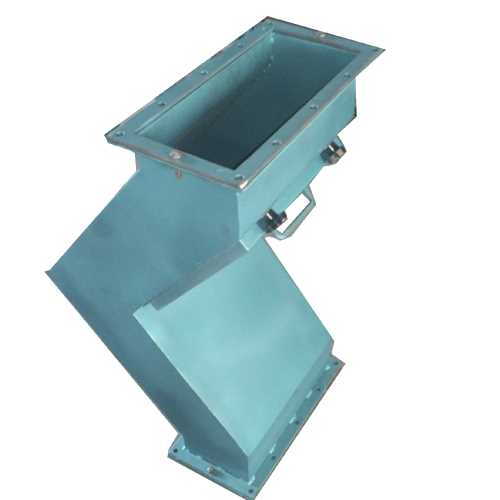
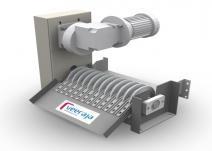
- Plate magnets & grate magnets: Simple fixed permanent magnets fitted above chutes or inside hoppers to trap tramp iron in free-flowing powders and granules.
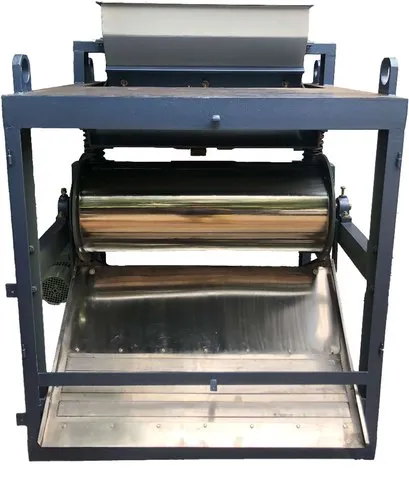
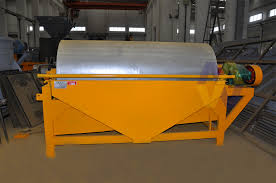
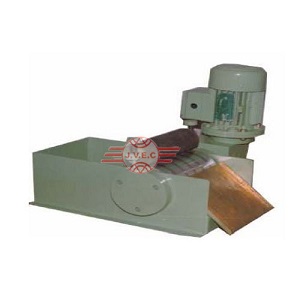
- Drum (wet and dry) magnetic separators: Rotating drums with internal magnetic assemblies used for continuous recovery of magnetic particles from slurries or dry streams.
- Overband (suspension) magnets: Suspended permanent or electromagnetic units installed above conveyors to pull out large ferrous pieces.
- Magnetic pulleys: Replace drive pulleys on conveyor lines to attract ferrous particles and drop them separately.
- High-intensity magnetic separators (HIMS): Use stronger magnetic fields and fine pole structures to capture very fine paramagnetic particles and weakly magnetic minerals.
- Eddy-current separators: Not strictly magnetic attraction — they use eddy currents and a non-magnetic rotor to repel and separate non-ferrous metals (aluminium, copper) from non-metallic streams.
- Suspension & reel magnets: For heavy tramp metal removal from bulk conveyors and for sorting scrap.
- Rare-earth magnetic systems & superconducting separators: Niche, high-field solutions for difficult separation tasks (very fine particle capture, speciality minerals).
Typical specifications
- Magnetic field strength: Ranges widely - from a few hundred gauss (0.01–0.05 T) in simple permanent magnets, up to 0.5–1.5 tesla (5000–15,000 gauss) for high-intensity units. Manufacturers specify either peak surface gauss or flux density at the working gap.
- Throughput/capacity: From small laboratory <1 kg/hr units to industrial machines handling several hundred tonnes per hour (tph), depending on separator type and feed characteristics.
- Particle size range: Designed for coarse tramp metal (several mm to cm) up to fine mineral particles (<50 µm) in HIMS. Choice depends on pole design, gap and field strength.
- Temperature and environment: Options for elevated temperature operation, IP-rated housings, and food-grade construction (polished stainless steel, sanitary finishes).
- Power & control: Permanent magnet units need no power; electromagnets and eddy-current separators require an electrical supply and often PLC control for automation and variable field control.
Applications & use cases
Primary industries
- Mining & mineral processing: Separation and concentration of magnetic ores (magnetite), removal of tramp iron, and pre-concentration stages.
- Recycling & scrap processing: Recovery of ferrous and non-ferrous metals from shredded municipal waste, e-waste and industrial scrap.
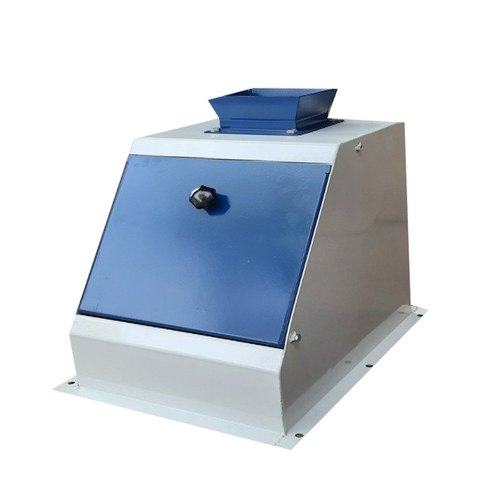
- Food & pharmaceuticals: Contamination control to meet safety standards; typically stainless steel, easy-clean designs.
- Ceramics & chemicals: Removal of metallic contamination to protect equipment and ensure product purity.
- Plastics & rubber: Removing metal contaminants from regrind and production streams.
- Power plants & cement: Protecting mills and crushers from metallic damage and recovering ferrous fractions.
Common usage scenarios
- Mounted over conveyors to extract tramp iron before crushers.
- Inline in hoppers and chutes to protect packaging and processing equipment.
- Wet drum separators in slurry circuits to recover magnetic concentrates.
- Eddy-current units on recycling lines to separate aluminium from plastic/organic streams.
- High-intensity separators in fine mineral recovery circuits where conventional magnets fail.
Benefits & efficiencies
- Reduce downtime and maintenance costs by preventing mechanical damage.
- Improve product quality and meet regulatory or customer purity requirements.
- Recover metal value from process streams — yield improvement and waste reduction.
- Energy efficient options (permanent magnets) lower operating costs versus all-electromagnetic systems.
- Modular and retrofit options allow integration into existing lines with minimal disruption.
Key company types
- Specialist magnet OEMs: Focus exclusively on magnetic separators and magnetic assemblies.
- Mineral processing equipment manufacturers: Supply complete plant equipment, including crushers, mills and integrated separation circuits.
- Recycling and waste-handling OEMs: Provide turnkey sorting lines with integrated magnetic and eddy-current separators.
- Local fabricators and system integrators: Offer site-specific installations, retrofits and service.
Popular Searches
Magnetic Separator | Magnetic Separators Manufacturers | Magnetic Separator Suppliers | Magnetic Separator Exporters | Drum Magnetic Separator | Plate Magnet | Overband Magnet | Magnetic Pulley | Eddy Current Separator | High Intensity Magnetic Separator | Wet Magnetic Separator | Rare Earth Magnetic Separator | Magnetic Separation Equipment | Industrial Magnet Suppliers | Magnetic Filter | Conveyor Magnet | Magnetic Recycling Equipment | Food Grade Magnetic Separator | Mining Magnetic Separator