
HOTLINE: +91 851-114-2701
36 listings from verified sellers across India



.jpg)
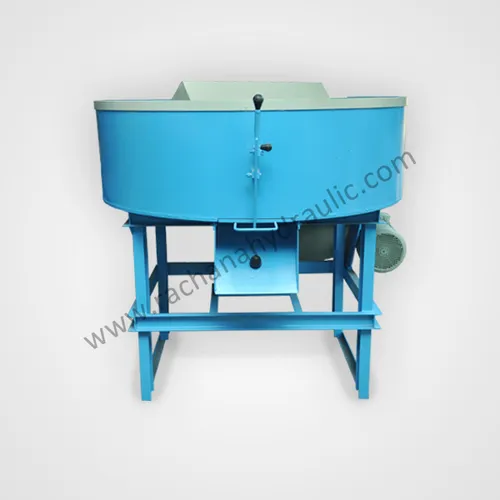
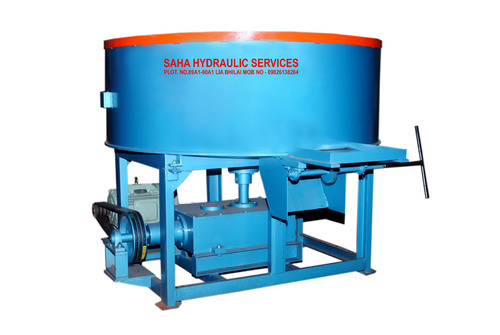
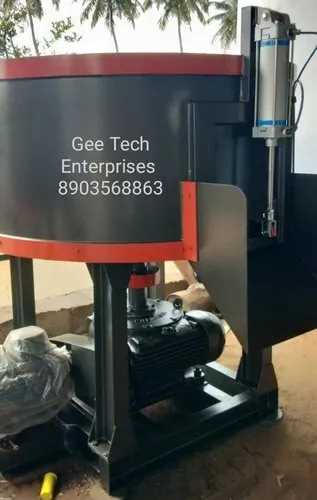
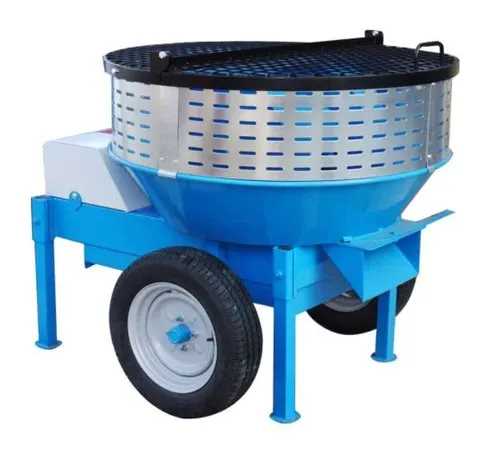
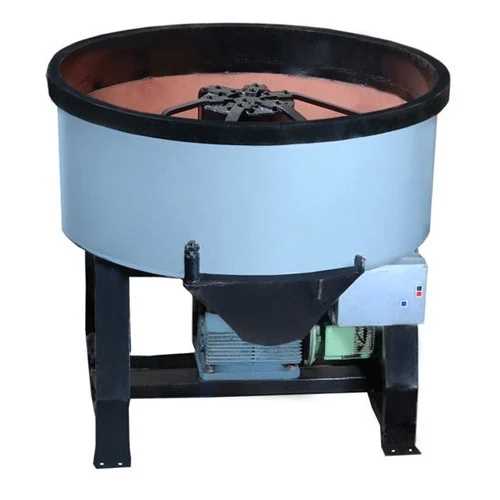
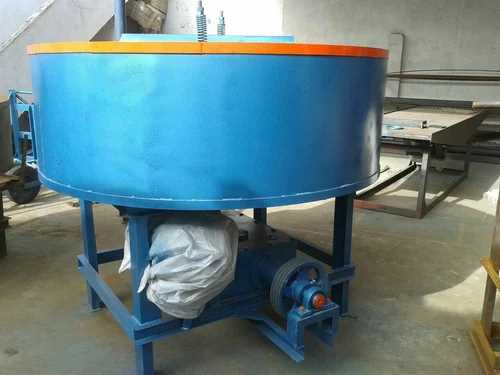
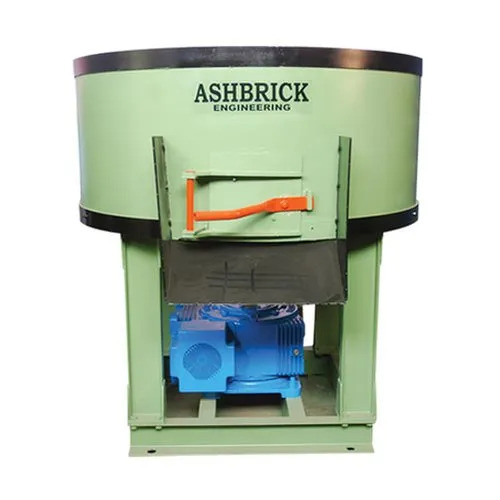
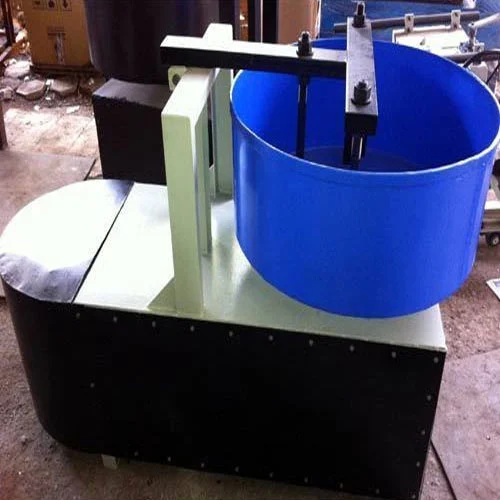
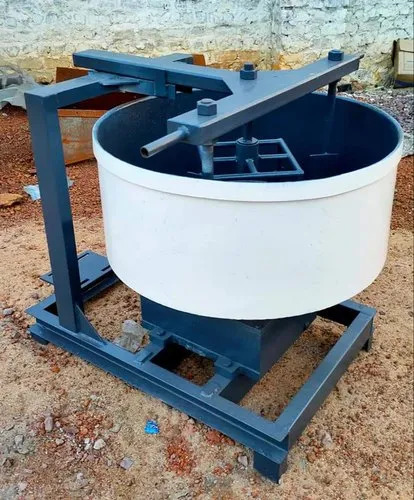
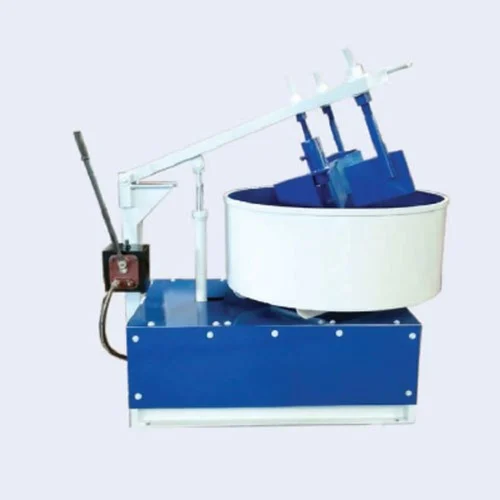
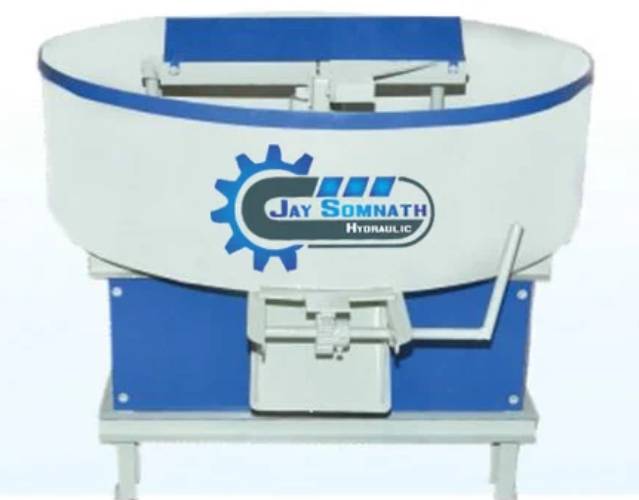
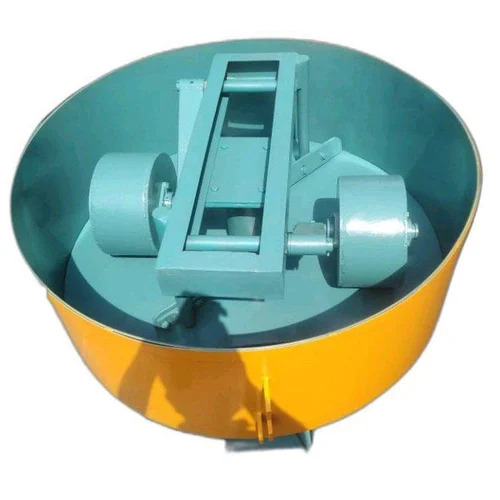
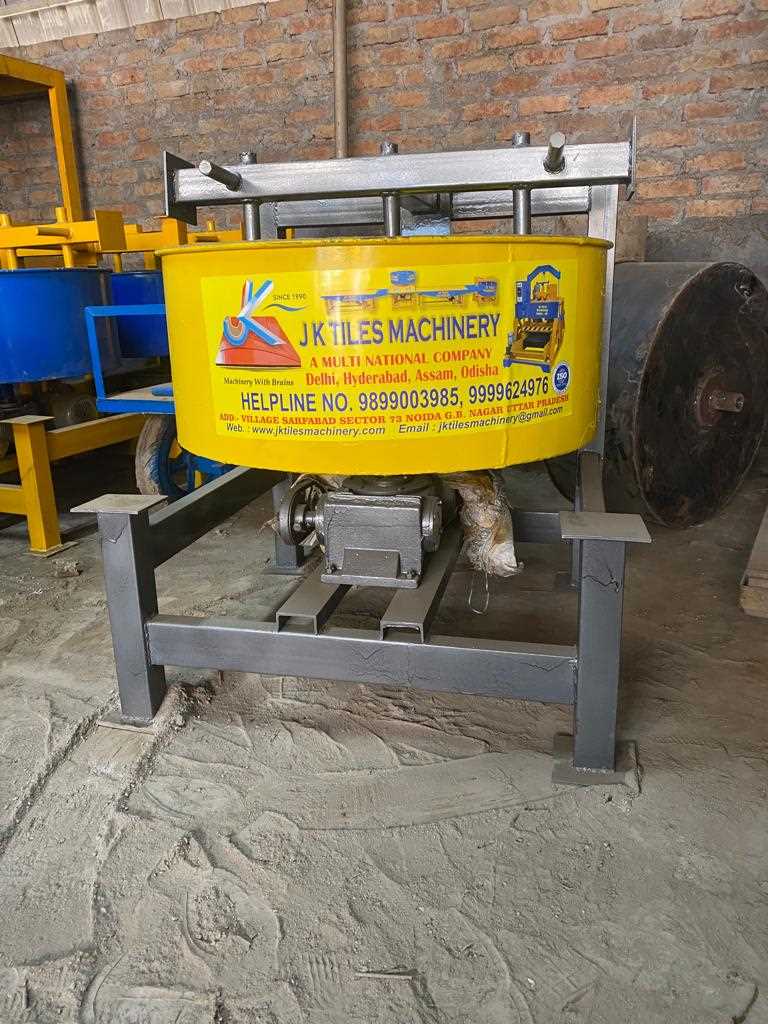
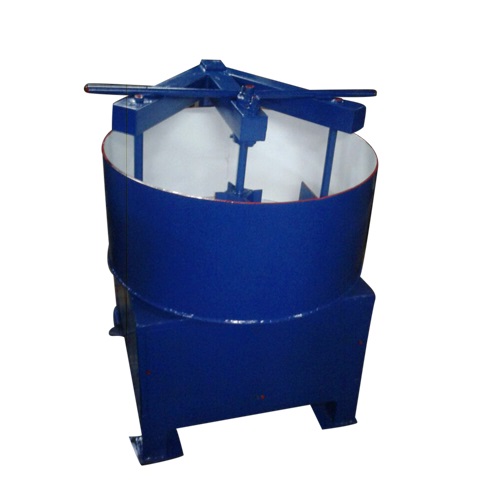
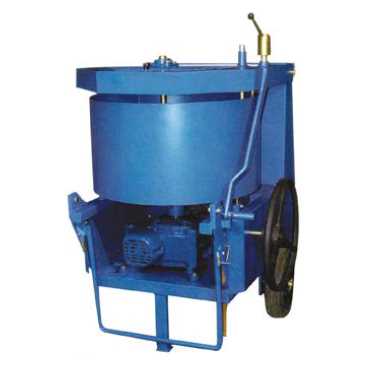
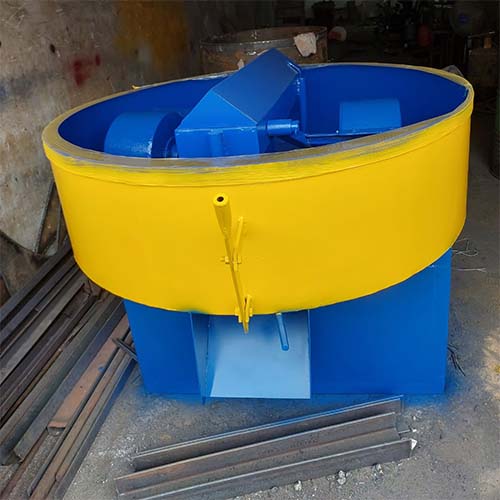
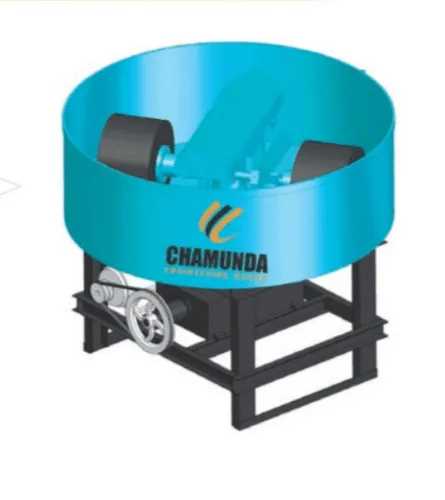
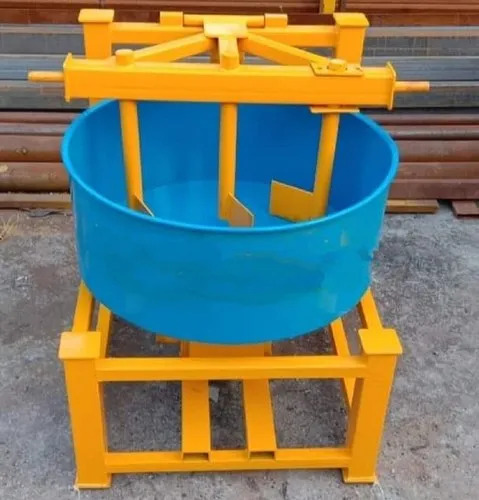
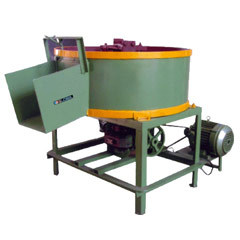
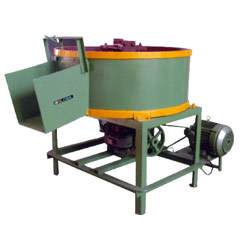
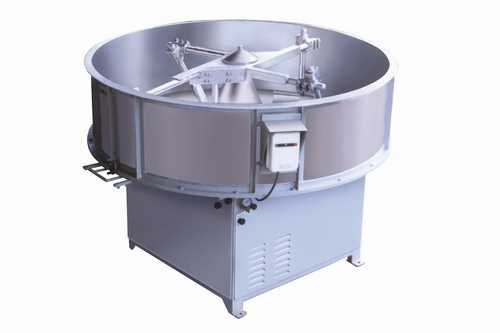
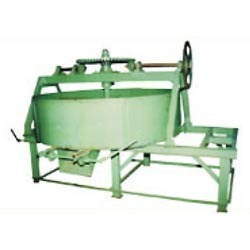
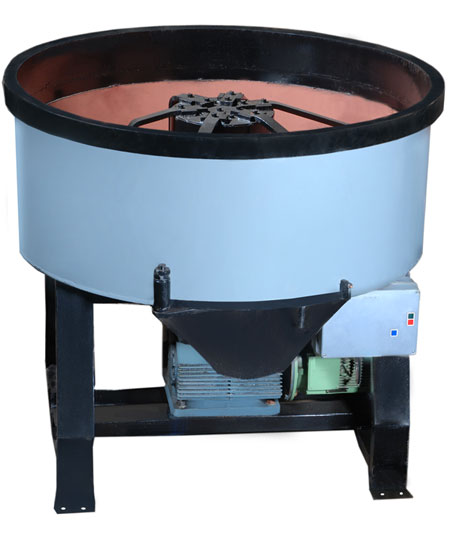
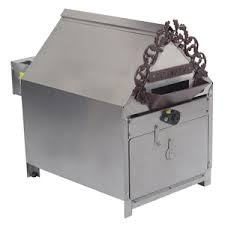
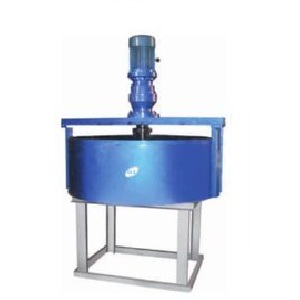
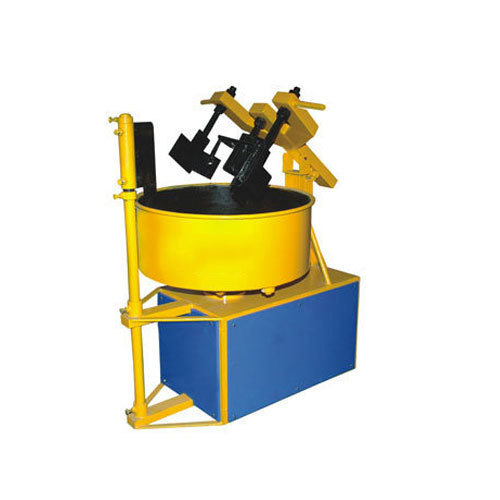
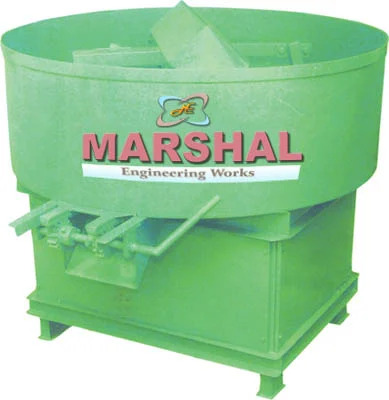
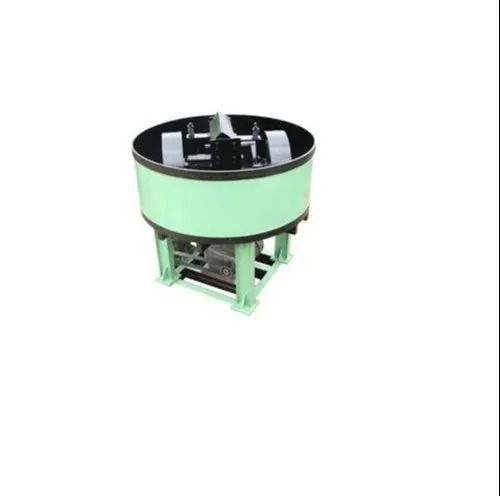
Pan Mixer
A type of concrete mixer commonly used for batching processes, characterized by a stationary pan or drum with rotating blades or paddles that mix the materials. They are known for producing a homogeneous mix, especially for stiff or semi-dry concrete.
Types of Pan Mixer
Fixed Pan Mixers: Stationary installations for permanent batching plants.
Mobile Pan Mixers: Integrated into smaller, portable concrete batching plants or for on-site mixing.
Gear-Driven Pan Mixers: Common type with a robust gearbox.
Hydraulically Driven Pan Mixers: Offer smoother operation and finer control.
Applications in Various Industries:
Precast Concrete Production: Ideal for high-quality, consistent mixes for precast elements (blocks, pavers, pipes, railway sleepers).
Concrete Batching Plants: Central mixing unit.
Dry Mix Mortar Plants: Mixing mortar, plaster, and other dry mixes.
Refractory Material Mixing: For special high-temperature applications.
Glass Industry: Mixing raw materials.
Technology:
Planetary Mixing Action: Blades rotate around a central axis while also rotating on their own axis, ensuring thorough and homogeneous mixing.
Scrapers: Prevent material buildup on the pan walls.
Discharge Gate: Pneumatically or hydraulically operated for quick and clean discharge.
Wear-Resistant Liners: Replaceable liners on the pan bottom and side walls for extended life.
Automated Lubrication Systems: For gearbox and bearings.
Safety Interlocks: For access hatches.
Material Selection Considerations: