
HOTLINE: +91 851-114-2701
2 listings from verified sellers across India
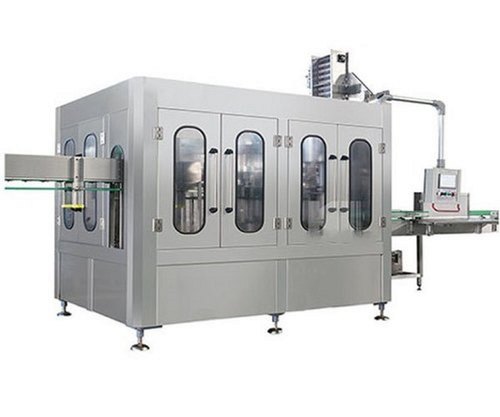
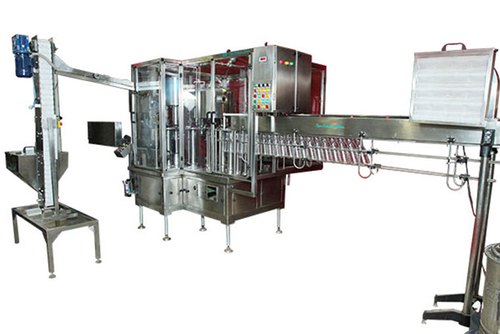
Bottle-filling-machines
Types of bottle-filling-machines
Gravity Filling Machine: Utilizes gravity to fill bottles with low-viscosity liquids like water, juice, or vinegar. Ideal for free-flowing fluids and offers simple operation and low maintenance.
Piston Filling Machine: Uses a piston-driven mechanism to dispense precise volumes. Best for thick, viscous products such as sauces, creams, or gels. Known for high accuracy and repeatability.
Overflow Filling Machine: Fills bottles to a consistent level by allowing excess product to overflow. Commonly used in the cosmetics and beverage industries where aesthetic fill level is important.
Vacuum Filling Machine: Operates using vacuum pressure to draw liquid into the bottle. Best suited for glass bottles and ideal for low-viscosity, non-foaming liquids such as oils and spirits.
Volumetric Filling Machine: Measures a pre-set volume before dispensing, ensuring consistency. Suitable for pharmaceuticals and other products requiring precise dosing.
Automatic vs. Semi-Automatic Filling Machines:
Automatic machines are fully integrated with conveyors and controls, ideal for high-speed operations.
Semi-automatic machines require manual bottle placement but are cost-effective for small to medium production runs.
Applications in Various Industries
Food & Beverage Industry: Used for filling juices, water, milk, sauces, edible oils, and carbonated drinks into PET, glass, or aluminum bottles. Ensures hygiene and speed in packaging lines.
Pharmaceutical Industry: Precision filling of syrups, tonics, and medicinal liquids into sterile containers. Often used with cleanroom standards to avoid contamination.
Cosmetics & Personal Care: Handles lotions, creams, perfumes, shampoos, and gels. These machines offer high precision and clean fills to protect product integrity and appearance.
Chemical Industry: Used to fill household cleaners, pesticides, and lubricants. Special materials and safety features are applied to handle corrosive or hazardous substances.
Dairy & Nutritional Products: Fills milk, yogurt drinks, protein shakes, and dietary supplements, often requiring sterilized or cold-fill systems to maintain quality and shelf life.
Material Selection Considerations