
HOTLINE: +91 851-114-2701
3 listings from verified sellers across India
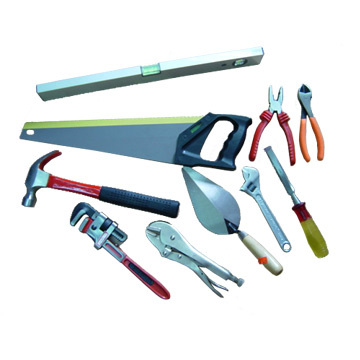

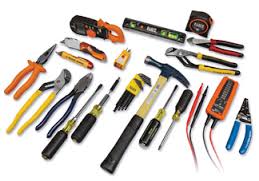
Hand Tools
Hand tools are non-powered devices that rely on manual force and skill to perform a specific task or function. They are fundamental to countless industries and daily life, ranging from simple hammers to precision instruments. Their evolution from basic stone implements to modern, ergonomically designed tools reflects centuries of human ingenuity.
Types of Hand tools
Cutting Tools: Knives, scissors, saws (handsaws, hacksaws, coping saws), snips, bolt cutters, chisels.
Striking Tools: Hammers (claw, ball-peen, sledge, rubber mallet), axes, mallets.
Driving/Fastening Tools: Screwdrivers (flathead, Phillips, Torx, Hex), wrenches (open-end, box-end, adjustable, pipe, socket sets), nut drivers.
Measuring Tools: Tape measures, rulers, calipers, micrometers, squares, levels, protractors.
Holding/Gripping Tools: Pliers (slip-joint, needle-nose, locking, vice grips), vises, clamps.
Digging/Prying Tools: Shovels, trowels, crowbars.
Precision Tools: Tweezers, forceps, magnifiers, files, rasps.
Finishing Tools: Sandpaper, brushes, scrapers.
Applications in Various Industries
Construction: Hammers, saws, levels, tape measures, wrenches, drills (manual).
Manufacturing & Fabrication: Pliers, wrenches, screwdrivers, files, chisels, measuring tools for assembly, shaping, and finishing.
Automotive/Repair: Socket sets, wrenches, screwdrivers, specialized pliers for vehicle maintenance and repair.
Woodworking/Carpentry: Saws, chisels, planes, measuring tools, clamps for shaping and joining wood.
Plumbing: Pipe wrenches, pipe cutters, pliers.
Electrical: Wire cutters, wire strippers, screwdrivers (insulated).
Gardening/Agriculture: Shovels, trowels, pruning shears.
DIY & Home Maintenance: A wide array of general-purpose tools for household repairs and projects.
Arts & Crafts: Precision knives, small pliers, specialized cutting tools.
Technology:
Ergonomics: Advanced handle designs with non-slip grips and optimized weight distribution to reduce fatigue and improve control.
Metallurgy: Improved steel alloys (e.g., chrome vanadium steel for wrenches, high-carbon steel for cutting edges) for increased strength, durability, and corrosion resistance.
Precision Manufacturing: CNC machining ensures tighter tolerances and greater accuracy in measuring and driving tools.
Specialized Coatings: For corrosion resistance, reduced friction, or improved grip.
Leverage and Gearing: Designs that maximize mechanical advantage for easier operation (e.g., compound action pliers, ratcheting wrenches).
Material Selection Considerations