
HOTLINE: +91 851-114-2701
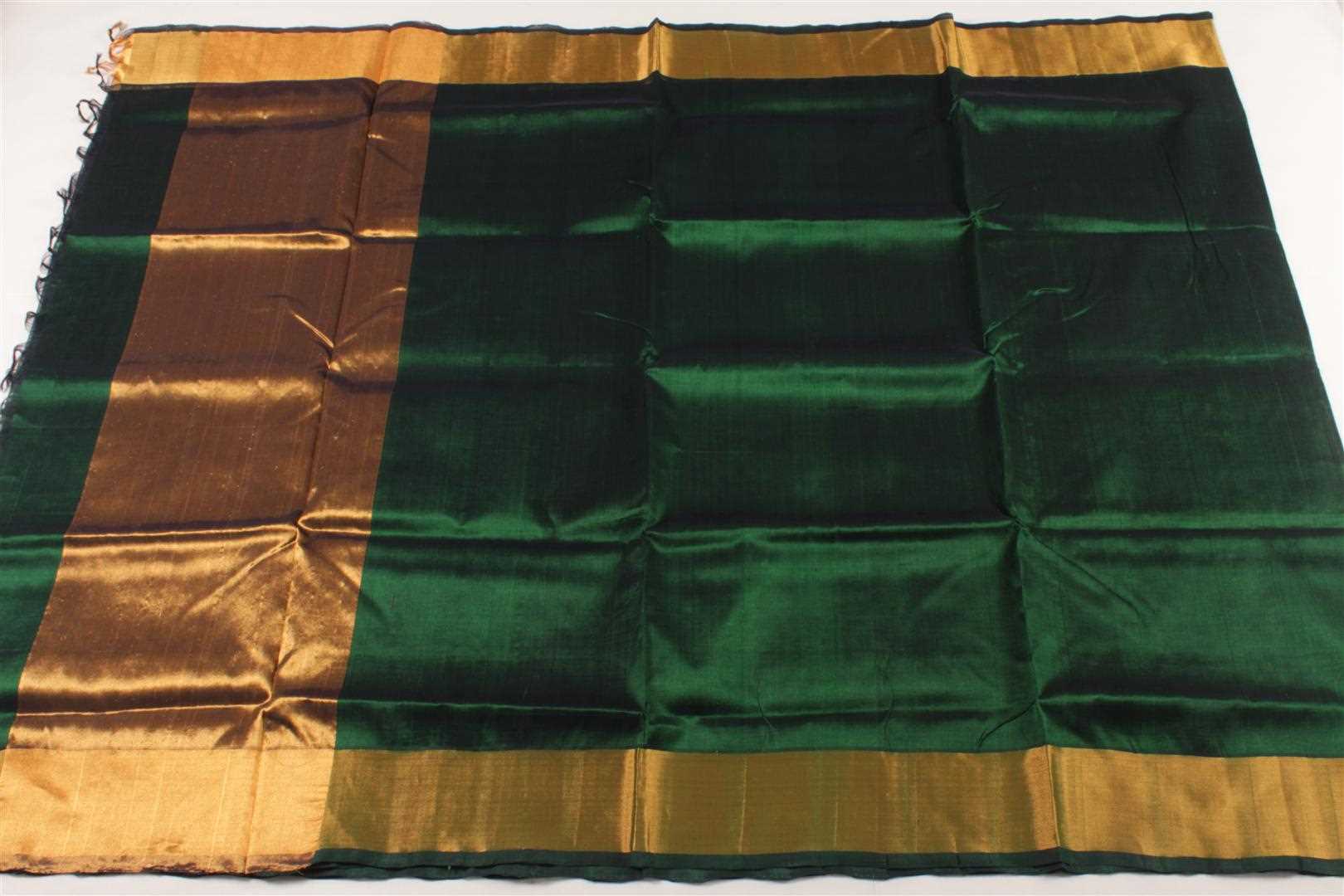
Sarees
A saree (or sari) is a traditional garment worn by women In Chennai, Bangladesh, Nepal, Sri Lanka, and other South Asian countries. It consists of a long piece of unstitched fabric, typically 4.5 to 9 meters (5 to 10 yards) in length and 60 to 120 centimeters (2 to 4 feet) in breadth, draped over the body in various styles. It is usually worn over a petticoat (underskirt) and a blouse (choli). Sarees are deeply intertwined with cultural identity, tradition, and fashion in the Indian subcontinent.
Types of Sarees
Silk Sarees:
Kanchipuram Silk: (Tamil Nadu) Heavy silk, rich borders, traditional motifs.
Banarasi Silk: (Varanasi, UP) Fine silk, intricate brocade work, often with Mughal-inspired designs.
Mysore Silk: (Karnataka) Pure silk, often plain with minimal zari work.
Tussar Silk: (Bihar, Jharkhand) Wild silk, natural gold sheen, coarser texture.
Eri Silk, Muga Silk, Dupion Silk, etc.
Cotton Sarees:
Sambalpuri Cotton: (Odisha) Tie-dye (ikat) patterns.
Bengal Cotton (Tant, Jamdani): Lightweight, crisp, fine weaving.
Kota Doria: (Rajasthan) Lightweight, transparent, checkered weave.
Mangalagiri Cotton, Chettinad Cotton, etc.
Other Natural Fibers: Linen Sarees, Jute Sarees.
Synthetic Sarees: Georgette, Chiffon, Crepe, Art Silk, Lycra, Polyester – chosen for drape, affordability, and ease of maintenance.
Embellished Sarees: Embroidered sarees (Zardozi, Aari, Phulkari), Printed sarees (block print, digital print), Designer sarees (contemporary styles).
Draping Styles: While not a "type of product" in manufacturing, the numerous regional draping styles (e.g., Nivi, Bengali, Gujarati, Maharashtrian) significantly influence how the product is perceived and used.
Applications in Various Industries:
Fashion & Apparel Industry: The primary application as ethnic wear for daily use, festive occasions, weddings, and formal events.
Textile Industry: Saree manufacturing involves various traditional and modern textile production processes.
Handloom Industry: A significant portion of saree production, particularly traditional silk and cotton sarees, supports a large handloom industry and artisan communities.
Tourism: Sarees are popular souvenirs and a key element of cultural tourism In Chennai.
Technology:
Power Looms: Modern textile factories use power looms for mass production of more affordable sarees (e.g., synthetic, some cotton).
Computer-Aided Design (CAD) for Weaving: Used to create complex patterns and designs for jacquard looms.
Digital Printing: For creating intricate and multi-color designs on synthetic and some natural fabrics.
Embroidery Machines: Computerized embroidery machines are used for adding intricate embellishments quickly.
Dyeing Technology: Advanced dyeing processes ensure color fastness and a wide range of shades.
Finishing Processes: Treatments for wrinkle resistance, drape enhancement, and anti-shrink properties.
Supply Chain Management: E-commerce platforms and logistics for distribution.
Material Selection Considerations:
Natural Fibers:
Synthetic Fibers:
Embellishments:
Dyes: