HOTLINE: +91 851-114-2701
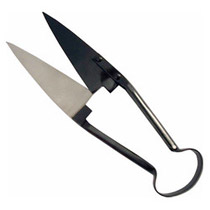
Sheep Shears
Sheep shears are specialized tools used for trimming and shearing the fleece of sheep. These tools are essential for farmers, ranchers, and professional shearers who need to harvest wool in a quick and efficient manner while ensuring the well-being of the sheep. Sheep shearing is a skilled task that requires the right equipment to ensure clean and efficient cutting without injuring the animal. The shearing process helps in wool production, which is a major industry in agriculture, providing raw material for textiles, clothing, and other wool-based products.
Sheep shears come in a variety of designs and configurations to suit different needs, from manual tools to electric and pneumatic versions. They are designed to make the shearing process faster, more comfortable for both the sheep and the shearer, and more efficient in terms of wool yield.
Types of Sheep Shears
Manual Sheep Shears
These are hand-operated shears, typically used by small-scale farmers or hobbyists. Manual sheep shears resemble large scissors and are used for trimming wool in areas where machinery cannot be used, such as on sheep with sensitive skin or smaller flocks. They require significant strength and skill to use but are cost-effective and simple.
Electric Sheep Shears
Electric sheep shears are powered by electricity and are the most commonly used type of shears in commercial sheep shearing operations. They offer greater speed and efficiency compared to manual shears. Electric shears are designed for long periods of use and often feature adjustable blade settings to suit different types of wool and sheep. These shears are available in various power capacities to match the needs of the shearing task.
Pneumatic Sheep Shears
Pneumatic shears use compressed air to power the cutting mechanism. These are typically more powerful than electric shears, making them suitable for heavy-duty use. Pneumatic sheep shears are commonly found in larger operations or industrial settings where shearing must be done quickly and on a large scale. They provide consistent power and are often lighter than their electric counterparts.
Cordless Sheep Shears
Cordless sheep shears are powered by rechargeable batteries, offering the convenience of portability without the need for a constant power supply. These shears are ideal for situations where access to electrical outlets is limited, or where the shearer needs to move around freely without being restricted by cords. While they provide excellent flexibility, they are generally less powerful than their corded counterparts.
Hand Shears
Hand shears are traditional, manual tools, usually made of stainless steel. These shears are more commonly used for small-scale shearing or in regions where mechanized shearing is not practical. They require a great deal of skill to use effectively, as they involve manual cutting action, often used for final touches after electric shearing or to reach delicate areas on the sheep.
Wide-Cutting Sheep Shears
These shears are designed with wide blades to cut large patches of wool in one stroke. They are typically used in commercial farming or industrial shearing environments where speed is crucial. Wide-cutting shears allow shearers to remove large sections of wool more quickly and with minimal effort.
Curved Sheep Shears
Curved shears are designed with blades that have a slight curve to help shear wool more precisely around the body of the sheep. This shape is particularly useful for getting close to the skin without causing cuts or irritation. These shears are used for fine shearing jobs and are often preferred by professional shearers for more delicate work.
Applications in Various Industries
Agriculture and Sheep Farming
The primary use of sheep shears is in agriculture, especially in sheep farming. Sheep shearing is an integral part of the wool production process, which supports the textile industry. The wool collected from sheep is used to make fabrics for clothing, carpets, and blankets. Shearing also helps in maintaining the health of the sheep by preventing overheating, infections, and infestations of pests like mites and lice.
Textile Industry
The wool obtained from sheep is a raw material for the textile industry, where it is processed into various woollen products, including fabrics, clothing, and blankets. Sheep shears are essential for harvesting wool in an efficient and humane manner. In the textile industry, sheep shearing is done to ensure a high yield of clean and high-quality wool.
Wool Exporting and Trade
Sheep shearing is also crucial in wool exporting, where the harvested wool is cleaned, processed, and then sold or shipped globally. Countries with large sheep farming industries, such as Australia, New Zealand, and parts of the UK, depend on efficient sheep shearing practices to maintain the quality and supply of wool for international markets.
Farming and Livestock Care
Sheep shearing plays an important role in overall livestock management. In addition to wool harvesting, shearing is necessary for maintaining the health of the sheep. Overgrown wool can lead to heat stress, skin infections, and reduced mobility for the sheep. By using shears, farmers ensure that the animals are comfortable, clean, and free from excessive wool growth.
Animal Care and Veterinary
Sheep shearing can be part of general animal care, particularly in veterinary settings where trimming the wool around wounds or infections may be necessary for easier treatment. Shearing may also be required to maintain proper hygiene in sheep that are confined to high-humidity or dirty environments.
Hobby Farming and Sustainable Wool Production
Hobby farmers or small-scale producers who focus on sustainable wool production use sheep shears to harvest wool for hand-spinning or crafting. These farmers often prefer manual or electric shears depending on their farm size and the quality of wool required for artisan projects.
Material Selection Considerations
FAQ's