
HOTLINE: +91 851-114-2701
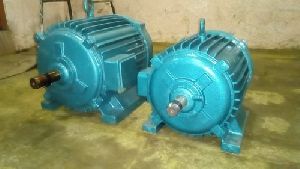
AC Motors
Electric motors that convert alternating current (AC) electrical energy into mechanical energy, characterized by their robustness, efficiency, and widespread use in industrial and domestic applications.
Types of AC Motors
Induction Motors (Asynchronous Motors):
The most common type.
Squirrel Cage Motors: Simple, rugged, widely used.
Wound Rotor Motors: Allow for variable speed control and higher starting torque (less common now with VFDs).
Synchronous Motors:
Rotor rotates at the same speed as the magnetic field of the stator. Used for precise speed control and power factor correction.
Permanent Magnet Synchronous Motors (PMSM): Highly efficient, compact.
Reluctance Motors: Switched Reluctance Motors (SRM), Synchronous Reluctance Motors (SynRM).
Universal Motors:
Can operate on both AC and DC, found in many household appliances.
Applications in Various Industries
Industrial: Pumps, fans, compressors, conveyors, machine tools, robotics, mills, crushers, mixers.
Commercial: HVAC systems, escalators, elevators.
Residential: Washing machines, refrigerators, vacuum cleaners, power tools.
Automotive (EVs): Traction motors (often PMSM or Induction).
Renewable Energy: Wind turbine generators (though these generate AC, the motor concept is relevant).
Technology:
Variable Frequency Drives (VFDs): For precise speed and torque control, energy efficiency.
IE (International Efficiency) Ratings: IE3, IE4 for high efficiency.
Motor Control Algorithms: Field-Oriented Control (FOC) for PMSM, Direct Torque Control (DTC).
Advanced Cooling: Fin design, forced air cooling, water cooling.
Bearings: High-quality bearings for long life.
Insulation Systems: To withstand voltage spikes and temperature.
Sensorless Control: Estimating rotor position without physical sensors.
Material Selection Considerations