
HOTLINE: +91 851-114-2701
1 listings from verified sellers across India
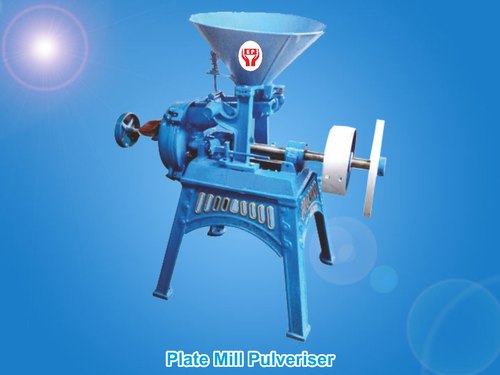
Flour Mill
A flour mill is a machine or plant that grinds cereal grains (wheat, corn, rice, etc.) into flour or meal for food products. Industrial flour mills typically use roller mills or hammer mills to reduce grain to a fine powder. The process usually includes cleaning, grinding and sifting. In operation, grain is fed between rotating grinding elements and reduced to flour; air or mechanical aspirators separate fine flour from coarser bran/semolina.
Types of flour mill
Roller Mills: Use cylindrical rollers to grind grain; used in large industrial flour production.
Stone Mills: Traditional grinding between rotating stones; retains more nutrients.
Hammer Mills: Use high-speed hammers to crush grain into powder.
Impact Mills: Use impact force via rotating disks or pins.
Mini Domestic Mills: Compact units for small-scale household flour milling.
Integrated Flour Mills: Combine cleaning, grinding, and packaging in one unit.
Applications in Various Industries
Flour mills are used in food processing for baking flour, cereals, bread, noodles, and other grain products. They are also used in animal feed production, and in some cases breweries or distilleries (milling barley). Industrial mills can grind large volumes continuously or in batches. The goal is precise particle size: flour mills often incorporate sifting/aspiration to yield consistent, fine flour.
Material Selection Considerations
Because milling is highly abrasive, wear-resistant materials are critical. Grinding elements (rolls, hammers, stones) are made of hardened steel, stainless steel or ceramic. For example, commercial mills often use food-grade stainless steel (e.g. SS304) for the grinding chamber and tooling for durability and hygiene. The chamber and housing are usually stainless or carbon steel (framed for strength). Screens/sieves are stainless mesh. Motors and gears are standard industrial grades. Sealed bearings and polymer lubricants keep dust out. Materials are chosen for abrasion resistance, cleanliness, and durability: stainless steel surfaces resist corrosion and are easy to clean, while hardened alloy steel or ceramic burrs withstand constant impact.