
HOTLINE: +91 851-114-2701
1 listings from verified sellers across India
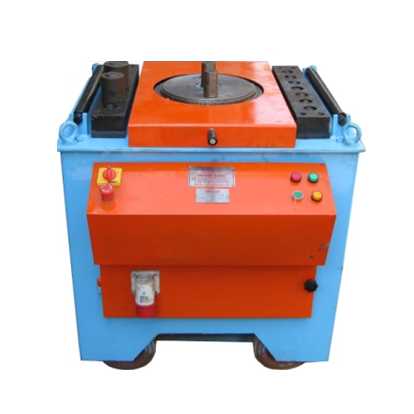
Bending Machines
Bending machines are industrial tools used to form sheet metal, plates, tubes, or other long materials into specific angles or curves. They are fundamental in fabrication for creating components with precise geometric shapes without cutting or welding multiple pieces. This is a general term encompassing various types of bending equipment.
Types of Bending machines
Press Brakes (already covered in detail):
For bending sheet metal using punches and dies (hydraulic, mechanical, servo-electric).
Roll Bending Machines (Plate Rolls):
For bending plates into cylinders, cones, or curved sections using three or four rolls.
Tube Bending Machines (Tube Benders):
For bending pipes and tubes.
Rotary Draw Benders: For precise, tight-radius bends.
Mandrel Benders: Use a mandrel inside the tube to prevent collapse during bending, for critical applications.
Roll Benders (for tubes): For large radius, continuous bends.
Compression Benders: Simpler, for less critical applications.
Profile Bending Machines (Section Benders):
For bending structural profiles like angles, channels, I-beams, or solid bars.
Folding Machines (Metal Folders):
For creating sharp, straight bends in sheet metal, often used for ductwork or flashing. (Distinct from paper folding machines).
Wire Bending Machines:
For forming wires into specific shapes, often automated CNC.
Applications in Various Industries
Construction: Structural steel, rebar bending, HVAC ducting, roofing components.
Automotive: Exhaust systems, chassis components, roll cages.
Aerospace: Aircraft frames, engine components, hydraulic lines.
Shipbuilding: Hull plates, piping.
Manufacturing: Machine frames, enclosures, furniture, appliance parts.
Energy: Pipelines, pressure vessels, boiler components.
Furniture: Metal chairs, tables.
Art & Sculpture: Custom metal creations.
Material Selection Considerations
For Machine Components:
For Workpiece Materials (Being Bent):