
HOTLINE: +91 851-114-2701
1 listings from verified sellers across India
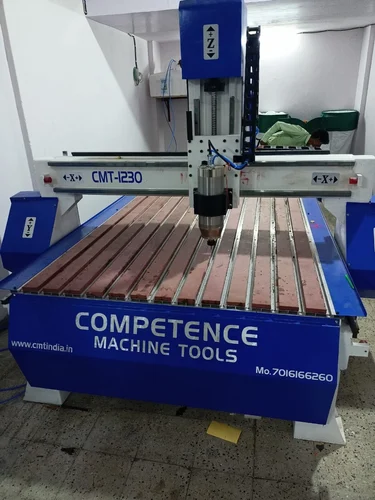
A CNC engraving machine is a computer-numerical-control system that automates cutting, carving, etching and 3D sculpting across materials such as stone, metal, wood, acrylic and composites. Modern CNC engravers range from compact benchtop units for signage and jewellery to heavy-duty stone and metal routers used for monuments, pavers, architectural panels and mould tooling. Core functions include high-precision toolpath execution, multi-axis motion control (commonly 3–5 axes), spindle or router-driven cutting, and software integration for vector/G-code input and CAM nesting.
The primary purpose is to convert digital artwork or CAD files into repeatable, accurate physical engravings and reliefs — improving speed, repeatability, and detail quality compared with manual methods. Applications extend from single-piece custom work (plaques, trophies, signage) to high-volume production (decorative paving stones, façade panels, industrial nameplates).
Type of CNC Engraving Machine
Applications & use cases
Material Selection Considerations
For rotary engraving, the bit material (carbide, diamond-coated) is chosen for the workpiece. For example, carbide for steel, diamond for stone. The machine structure is usually welded steel or cast iron to maintain precision. Workholding fixtures must be firm; vacuum tables or clamps (often T-slots). Dust from engraving (especially plastics or composites) requires extraction and sometimes fire safety (for melamine dust). Laser engravers require metal enclosures and ventilation for fumes if used.
Product types & specifications
CNC Engraving Machine Manufacturer, Supplier & Exporter
Indian Trade Bird is a leading CNC Engraving Machine Manufacturers, Suppliers & Exporters, offering high-precision and durable engraving solutions for industrial and commercial applications. Our advanced CNC engraving machines deliver superior accuracy, smooth operation, and consistent performance across metals, wood, acrylic, and more. Designed for efficiency and reliability, our machines support complex designs with ease.
CNC Stone Engraving Machine | Stone CNC Router | Paving CNC Machine | Granite Engraving CNC | Marble CNC Router | Stone Carving CNC | Bridge Saw and Router | 4 Axis Stone CNC | 5 Axis Stone Processing Centre | Stone Paver Engraving Machine | CNC Router For Pavers | Stone Cutting And Engraving Machine Manufacturer | Export Stone CNC