
HOTLINE: +91 851-114-2701
1 listings from verified sellers across India
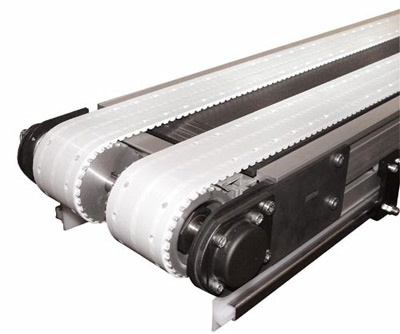
Conveyor Belt Fastener
Devices used to mechanically join the ends of a conveyor belt, forming a continuous loop. They provide a quick and often temporary or repairable alternative to vulcanized (spliced) joints.
Types of conveyor belt fastener
Mechanical Fasteners:
Hinged Plate Fasteners: Two rows of plates joined by a hinge pin. Allows for easy installation and removal.
Solid Plate Fasteners: Non-hinged, typically bolted or riveted directly through the belt. Provides a strong, durable joint, often for heavier-duty applications.
Hook Fasteners: Series of hooks that penetrate the belt ends and are joined by a hinge pin. Common for lighter-duty belts.
Spiral Lace Fasteners: Made from a spiral of synthetic material or wire, joined by a pin. Very flexible.
Self-Setting Fasteners: Designed for quick, hammer-in installation.
Applications in Various Industries
Mining & Quarrying: Conveying coal, ore, aggregates.
Construction: Material handling (sand, gravel, cement).
Agriculture: Grain, feed, produce conveying.
Warehousing & Logistics: Package handling.
Food Processing: Conveying food products (with food-grade fasteners).
Cement Plants: Bulk material handling.
Technology:
Fastener Design: Engineered to distribute stress evenly across the belt width, minimize material spillage, and withstand tension and impact.
Installation Tools: Specific tools (belt punches, lacing machines, power tools) for efficient and correct installation.
Wear Resistance: Designs that minimize wear on the fastener and contact with idlers/pulleys.
Corrosion Resistance: For outdoor or wet environments.
Impact Resistance: For applications with heavy or sharp materials.
Food Grade & Non-Magnetic Options: For specific industries.
Material Selection Considerations
Metal Components: