
HOTLINE: +91 851-114-2701
2 listings from verified sellers across India
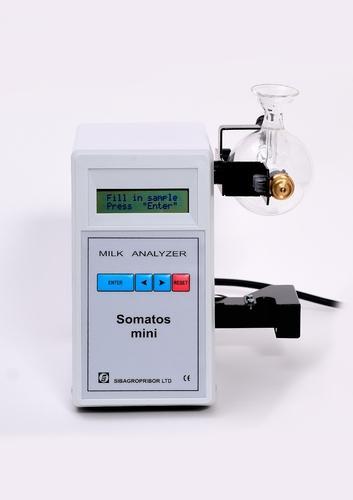
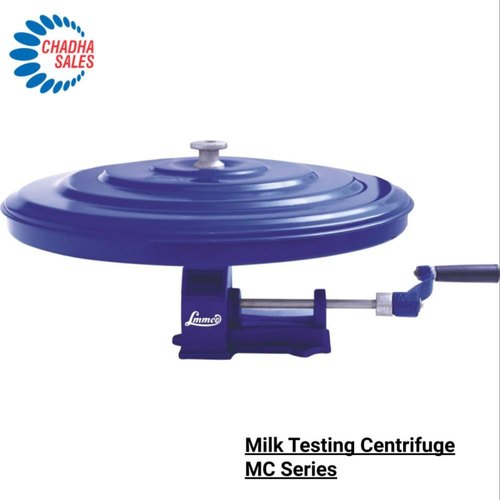
Food Testing Equipment
Food testing equipment encompasses a wide range of analytical instruments and tools used to evaluate the safety, quality, composition, authenticity, and nutritional value of food products. These tests are crucial at every stage of the food supply chain, from raw materials to finished products, to ensure compliance with regulatory standards, protect public health, maintain brand reputation, and optimize processing.
Types of Food Testing Equipment
Compositional Analysis Equipment:
Moisture Analyzers: (Halogen, Infrared) Determine water content.
Fat Analyzers: (Soxhlet extractors, NMR fat analyzers) Measure fat content.
Protein Analyzers: (Kjeldahl, Dumas, NIR) Measure protein content.
Ash Analyzers: (Muffle furnaces) Determine mineral content.
pH Meters: Measure acidity/alkalinity.
Refractometers: Measure sugar content (Brix).
Shelf-Life & Stability Equipment: Stability chambers, accelerated shelf-life testing equipment.
Sampling & Sample Preparation Equipment: Blenders, homogenizers, grinders, centrifuges.
Applications in Various Industries:
Food & Beverage Manufacturers: Quality control of raw ingredients, in-process monitoring, final product release testing, HACCP compliance.
Food Laboratories (Commercial/Government): Routine testing for safety, authenticity, nutrition labeling, regulatory compliance.
Agriculture: Testing produce for pesticide residues, soil analysis affecting crops.
Retail & Food Service: Ensuring safety and quality of products received and served.
Research & Development: New product formulation, process optimization, shelf-life studies.
Technology:
Spectroscopy (NIR, FTIR, UV-Vis): Non-destructive, rapid analysis of composition (protein, fat, moisture) and authenticity.
Chromatography (HPLC, GC-MS, LC-MS/MS): Highly sensitive and selective methods for detecting contaminants (pesticides, heavy metals, drugs), additives, and specific compounds.
Immunoassay (ELISA): Rapid and sensitive detection of allergens and certain toxins.
Molecular Biology (PCR, Real-time PCR): Fast and accurate detection and identification of foodborne pathogens.
X-ray & Metal Detection: Advanced imaging and electromagnetic technologies for identifying foreign objects in packaged foods.
Automation & Robotics: Automated sample preparation and analysis systems for high-throughput testing.
Data Management & LIMS (Laboratory Information Management Systems): Software for managing test results, reporting, and compliance.
Sensor Technology: Rapid, portable sensors for on-site testing.
Material Selection Considerations:
Sample Contact Parts: