
HOTLINE: +91 851-114-2701
2 listings from verified sellers across India
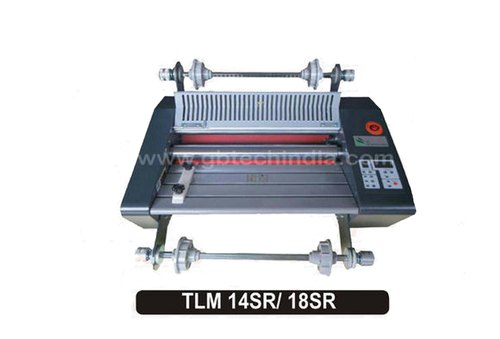
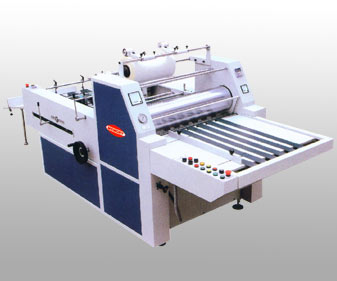
Thermal Lamination Machine
A thermal lamination machine is a device used to apply a protective plastic film to a document or other material using heat and pressure. The film, which often has an adhesive activated by heat, bonds securely to the surface, enhancing durability, protection from moisture, spills, and tearing, and often improving the visual appeal of the laminated item.
Types of Product:
Pouch Laminators: These use pre-cut pouches of lamination film. The document is inserted into the pouch, which is then fed through the heated rollers of the machine. Ideal for smaller items like ID cards, photos, and standard documents.
Roll Laminators (Commercial/Industrial): These use large rolls of lamination film, allowing for continuous lamination of longer or wider materials. They are suitable for posters, banners, blueprints, and large format graphics. Some can perform both single-sided and double-sided lamination.
Cold Laminators: While the request specifies "thermal," it's worth noting that cold laminators exist. They use pressure-sensitive adhesives and no heat, ideal for heat-sensitive materials. Some machines offer both hot and cold lamination options.
Specialized Laminators: For specific applications like wide-format graphic arts, textile lamination, or industrial bonding.
Applications in Various Industries:
Print Shops & Signage: Protecting prints, posters, banners, and outdoor signs from weather and wear.
Schools & Offices: Laminating educational materials, certificates, ID cards, notices, and important documents for longevity.
Photography: Protecting photographs from fading, smudges, and moisture.
Retail: Enhancing durability and appearance of price lists, menus, promotional materials.
Packaging Industry: Laminating films for flexible packaging, often for food and medical products, to provide barrier properties, strength, and printability.
Textile Industry: Laminating fabrics for specific properties like waterproofing or bonding layers together.
Technology:
Heated Rollers: The core of thermal lamination. Rollers are heated to a precise temperature to activate the adhesive on the film.
Pressure Rollers: Apply even pressure to ensure a smooth, bubble-free bond between the film and the substrate.
Temperature Control Systems: Microprocessors and sensors maintain consistent temperature, crucial for optimal lamination quality.
Speed Control: Adjustable speed settings to accommodate different film types and material thicknesses.
Auto Shut-off/Standby: Energy-saving features.
Reverse Function: To clear jams or adjust feeding.
Slitting/Trimming Systems: Integrated into some roll laminators for automated finishing.
Material Selection Considerations: