HOTLINE: +91 851-114-2701
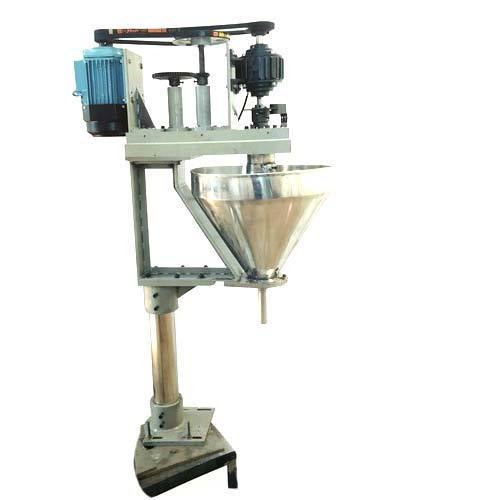
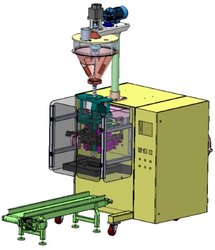
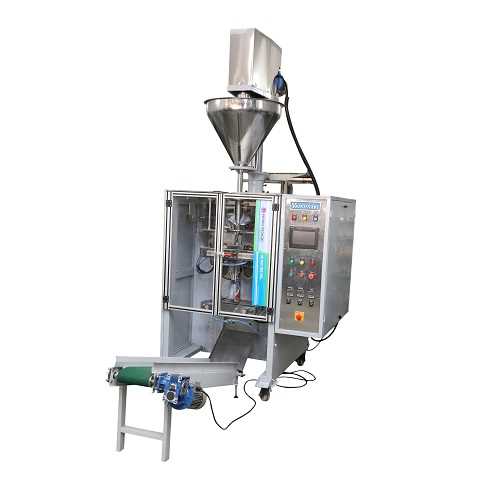
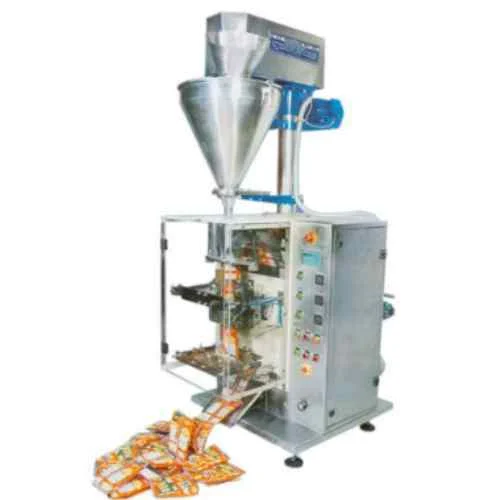
Auger Filler Machine
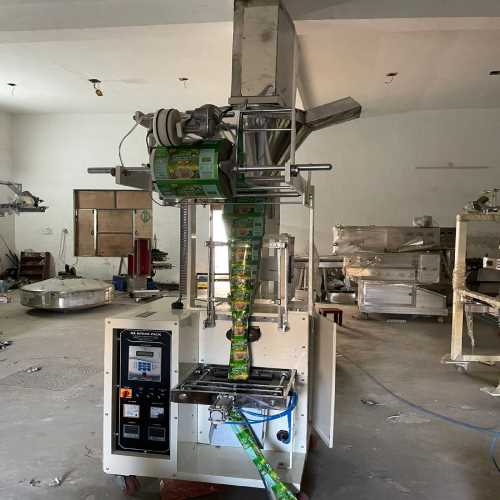
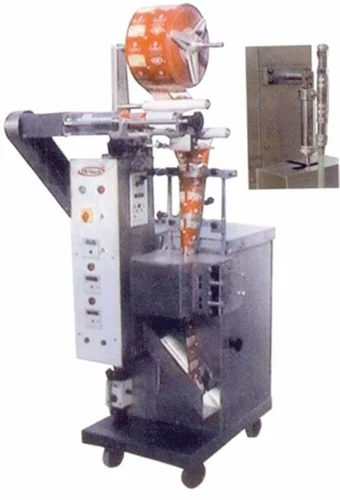
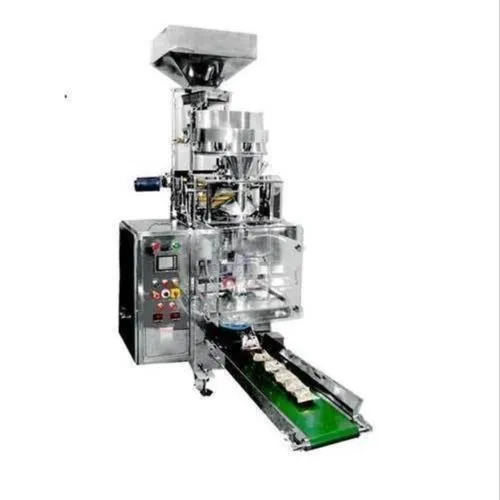
An Auger Filler Machine is a type of automatic packaging equipment used to precisely measure and fill powder, granular, or paste-like substances into containers such as bottles, pouches, and jars. The machine uses a rotating auger (a screw-like mechanism) to transport material into a filling chamber, where it is dispensed into the packaging. Auger fillers are known for their high accuracy, versatility, and efficiency in handling fine powders, such as flour, spices, detergents, and pharmaceuticals. They are widely used in industries that require precise, repeatable fill volumes to ensure product consistency and quality.
Types of Auger Filler Machines
Single Head Auger Filler
A single head auger filler features one filling station. It is suitable for applications with moderate filling speeds and is ideal for smaller-scale production. This type of machine is typically used in industries where high accuracy and versatility are needed but where large volumes are not required.
Multi-Head Auger Filler
Multi-head auger fillers use multiple auger mechanisms to fill containers simultaneously. This design significantly increases the filling speed and is commonly used in high-volume production environments. Multi-head machines are perfect for industries such as pharmaceuticals, chemicals, and food, where faster filling and higher throughput are critical.
Semi-Automatic Auger Filler
Semi-automatic auger fillers require some manual intervention in the filling process, such as positioning containers or manually starting and stopping the filling process. These machines are more cost-effective for smaller operations but still provide high accuracy and consistency.
Fully Automatic Auger Filler
Fully automatic auger fillers are completely automated, requiring minimal human intervention. These machines automatically load, fill, and sometimes seal containers without any manual input. Fully automatic models are designed for high-speed, large-scale production and are suitable for industries with continuous production needs.
Inline Auger Filler
Inline auger fillers feature a horizontal setup where the containers move along a conveyor belt, and the auger fills each container as it passes. These systems are ideal for industries that need to fill large quantities of containers quickly and accurately in a streamlined, efficient manner.
Rotary Auger Filler
Rotary auger fillers are designed for filling large quantities of powder or granular products into multiple containers in a rotating motion. These machines are often used in applications that require high speed and precision, such as in the food and pharmaceutical industries.
Auger Filler with Vacuum Systems
Auger fillers equipped with vacuum systems are designed to handle powders that are prone to dusting, like powdered milk or flour. The vacuum system helps to control the dust and prevents spillage during the filling process. These machines are highly beneficial in maintaining a clean and dust-free production environment.
Auger Filler with Check Weigher
This type of auger filler is integrated with a checkweigher, which ensures that each container is filled with the correct amount of product. If a container deviates from the preset weight, it is rejected, ensuring quality control in the filling process. This setup is typically used in industries where regulatory compliance and accuracy are vital, such as in pharmaceuticals and food processing.
Auger Filler for Viscous Liquids
Some auger fillers are designed specifically to handle viscous or thick products, such as creams, gels, and pastes. These fillers use a modified auger system and additional mechanisms to ensure that thicker substances are filled accurately and efficiently.
Applications in Various Industries
Food and Beverage Industry
Auger filler machines are widely used in the food and beverage industry to package powdered and granular products such as sugar, salt, flour, spices, powdered drink mixes, and coffee. They ensure precise filling, preventing product wastage and maintaining consistency in product volumes.
Pharmaceutical Industry
In the pharmaceutical industry, auger fillers are used for filling powdered medications, supplements, and ointments into containers like bottles or blister packs. Precision and hygiene are critical in this industry, and auger fillers offer the required accuracy and compliance with regulatory standards.
Chemical Industry
Auger fillers are commonly used for filling chemicals, including fertilizers, detergents, and cleaning powders. They are designed to handle hazardous materials and can be equipped with dust collection or explosion-proof features for safety. Their precision and reliability make them essential for this industry.
Cosmetics Industry
In cosmetics, auger fillers are used to package products such as powdered makeup, face powders, and cream-based cosmetics. These machines offer clean, precise filling and can handle a variety of container sizes and types, making them suitable for a wide range of cosmetic products.
Agriculture
Auger fillers are used for packaging agricultural products like seeds, fertilizers, and pesticides. These machines offer the necessary precision and speed for large-scale agricultural packaging, ensuring consistent fill weights and reducing product loss during the process.
Tobacco Industry
In the tobacco industry, auger fillers are used for filling tobacco-based products, such as powdered tobacco or processed materials, into pouches, cans, and other containers. They ensure that the right amount of product is dispensed and sealed efficiently.
Pet Food Industry
The auger filler is often used in the pet food industry to fill bags or containers with powdered or granular pet food. These machines help maintain consistent portion sizes and are designed to handle both food-grade and non-food-grade materials.
Paints and Coatings Industry
In the paints and coatings industry, auger fillers are used to fill containers with powdered pigments, paints, and coatings. The precise filling capabilities of auger fillers are crucial for ensuring uniformity in product formulations.
Plastic and Polymer Industry
Auger fillers are used for packaging granular plastic and polymer materials, including resins and compounds, in the plastic manufacturing industry. These machines provide high filling accuracy, reducing wastage and ensuring product consistency.
Battery Manufacturing Industry
In the battery manufacturing industry, auger fillers are used to handle the powdery materials used in battery cells, such as carbon black, graphite, and lithium. Auger fillers help package these materials accurately for subsequent processes in battery production.
Material Selection Considerations
FAQ's