
HOTLINE: +91 851-114-2701
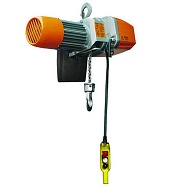
Crane Hoist
A mechanical device used for lifting and lowering heavy loads, typically integrated into a crane system. It's the primary lifting component of a crane.
Types of Crane Hoist
Wire Rope Hoists:
Use steel wire rope wound around a drum, very common for heavy-duty applications.
Chain Hoists:
Use a chain as the lifting medium, suitable for lighter to medium loads, often more compact.
Manual Chain Hoists (Lever Hoist, Hand Chain Hoist)
Electric Chain Hoists
Electric Hoists:
Powered by an electric motor, offering precise control and higher lifting speeds.
Manual Hoists:
Operated by hand, suitable for occasional use or where power is unavailable.
Pneumatic Hoists:
Air-powered, often used in hazardous environments due to spark-free operation.
Applications in Various Industries:
Manufacturing: Lifting components on assembly lines.
Construction: Lifting building materials, equipment.
Warehousing & Logistics: Loading/unloading, material handling.
Ports & Shipping: Container handling.
Mining: Lifting heavy machinery.
Material Selection Considerations: