
HOTLINE: +91 851-114-2701
2 listings from verified sellers across India
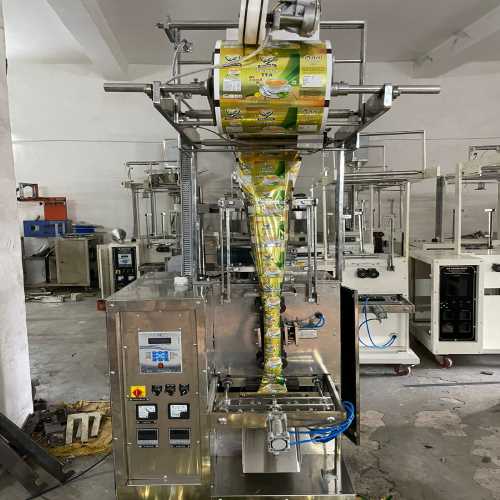
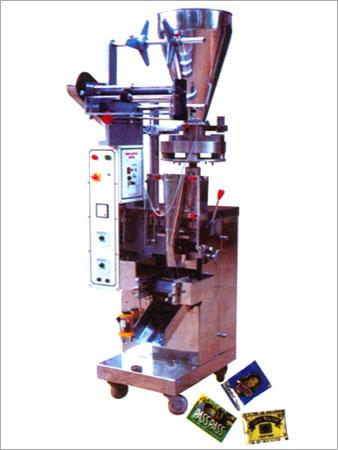
Cup Filling Machine
A cup filling machine is a specialized packaging machine designed to accurately and efficiently fill pre-formed cups with various liquid, semi-liquid, granular, or powdered products. After filling, the machine typically seals the cups with a lid (heat seal, snap-on, or foil), ensuring product integrity and hygiene.
Types of Cup Filling Machine
Rotary Cup Filling Machines: Products are fed onto a rotating turntable that moves them through various stations (cup loading, filling, sealing, ejection). High speed and continuous operation.
Linear Cup Filling Machines: Cups move in a straight line through the different processing stations. Suitable for lower to medium speeds, and often more flexible for different cup sizes.
Automatic Cup Filling Machines: Fully automated, handling cup loading, filling, sealing, and ejection without manual intervention.
Semi-Automatic Cup Filling Machines: Require manual placement of cups, with the machine performing filling and sealing.
Volumetric Cup Fillers: Measure product by volume (e.g., piston fillers for liquids, auger fillers for powders).
Gravimetric (Weight) Cup Fillers: Measure product by weight for higher accuracy, often used for high-value or inconsistent density products.
Liquid/Paste Fillers: Designed for yogurt, juice, sauces, creams, jams.
Powder/Granule Fillers: For coffee, spices, sugar, cereals, snacks.
Combo Fillers: Can handle multiple types of products or multiple filling stations for different ingredients.
Applications in Various Industries
Food & Beverage Industry: Widely used for dairy products (yogurt, milk, cheese spreads), desserts, juices, sauces, soups, coffee, instant noodles, snacks, and ready meals. Focus on hygiene, precise filling, and rapid production.
Pharmaceutical Industry: Filling powders, creams, gels, and liquids into sterile cups or containers. Strict hygiene and accuracy are critical.
Cosmetics & Personal Care: Filling creams, lotions, gels, shampoos, and conditioners into cups and jars.
Chemical Industry: Filling industrial pastes, greases, or granular chemicals.
Technology:
Key technologies include:
Filling Mechanisms: Piston pumps, gear pumps, peristaltic pumps (for liquids/pastes); auger fillers, vibratory fillers (for powders/granules).
Sealing Technology: Heat sealing (for foil or plastic lids), induction sealing, snap-on lid applicators.
Sanitization: CIP (Clean-in-Place) systems for liquid fillers, UV sterilization for cups/lids, laminar flow hoods for aseptic filling.
Automation & Control: PLCs (Programmable Logic Controllers), servo motors for precise control of filling volume and speed, HMI (Human Machine Interface) touchscreens for easy operation and recipe management.
Sensors: Cup presence sensors, fill level sensors, cap detection sensors for quality control.
Material Selection Considerations