
HOTLINE: +91 851-114-2701
1 listings from verified sellers across India
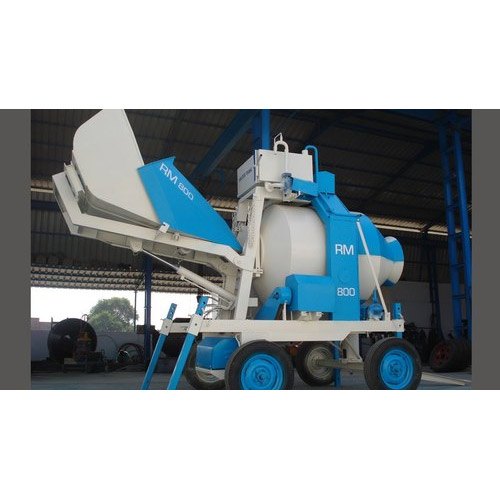
Mobile Concrete Batching Plant
A portable and compact plant designed to produce concrete on-site. It's essentially a concrete factory on wheels, ideal for projects requiring flexibility and quick relocation.
Types of Mobile Concrete Batching Plant
Compact Mobile Batching Plants:
Smaller capacity, easily towable, quick setup.
Medium Capacity Mobile Batching Plants:
Higher output, still transportable but may require more setup time.
Containerized Mobile Batching Plants:
Components housed within standard shipping containers for easy transport and rapid deployment.
Applications in Various Industries:
Road Construction: Producing concrete for highways, bridges, and pavements.
Remote Construction Sites: Ideal for projects far from permanent concrete plants.
Infrastructure Projects: Dams, tunnels, power plants.
Precast Concrete Production: For on-site precast elements.
Building Construction: Large commercial or residential projects.
Technology:
Modular Design: Allows for easy assembly and disassembly.
Integrated Weighing Systems: Load cells for precise measurement of aggregates, cement, water, and admixtures.
Automatic Control Systems: PLC-based control with touch screen HMI for recipe management, batching, and reporting.
Screw Conveyors: For efficient cement feeding.
Water Tanks & Admixture Dosing Systems: For accurate liquid additions.
Mixer: Pan mixer, twin-shaft mixer, or planetary mixer for homogeneous concrete.
Axles & Tires: For mobility.
Generators: Often included for self-sufficiency.
Material Selection Considerations: