
HOTLINE: +91 851-114-2701
1 listings from verified sellers across India
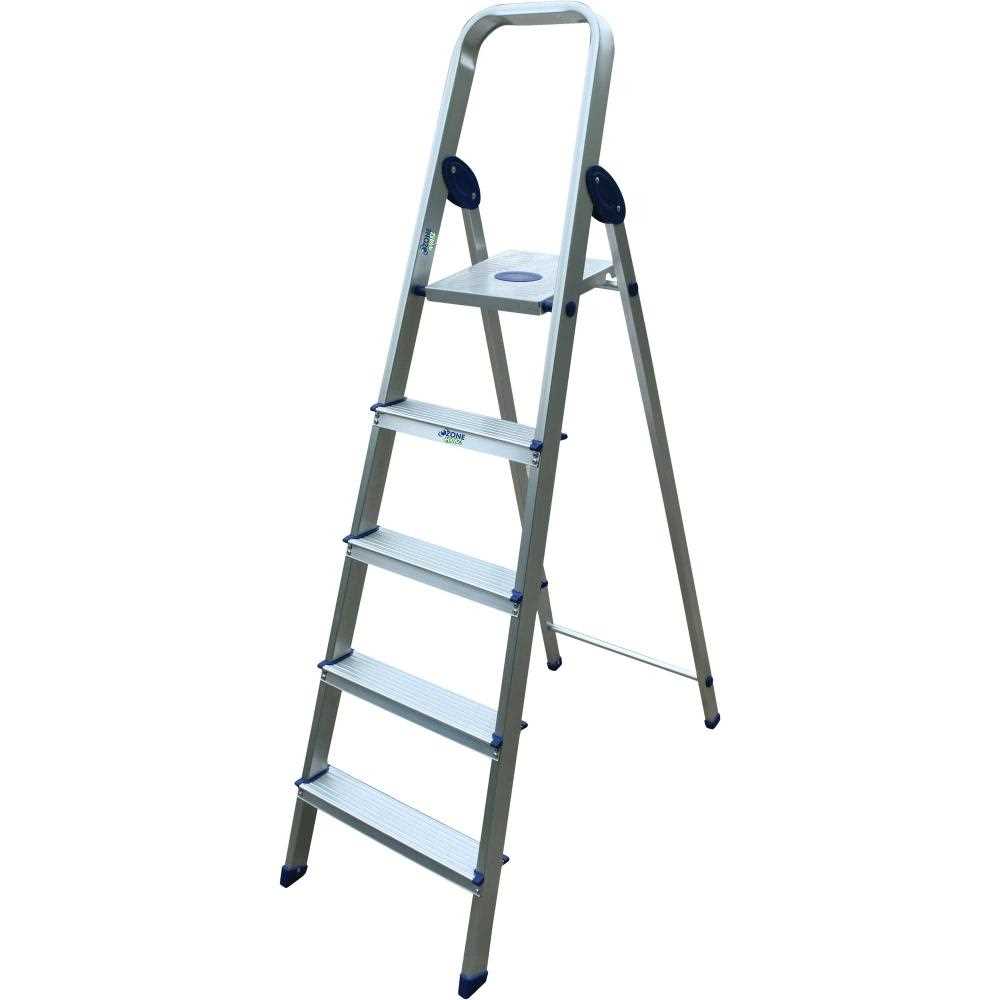
Aluminium Ladders
An aluminium ladder is a portable, lightweight structure made primarily from aluminum alloy, consisting of rungs or steps mounted between two side rails. They are used to provide temporary access to elevated areas for various tasks, offering a good balance of strength, portability, and corrosion resistance.
Types of Aluminium Ladders
Step Ladders (A-Frame Ladders): Self-supporting, typically with a top platform and a spreader bar to keep them open. Used for relatively low heights.
Twin-Step Ladders: Can be climbed from both sides.
Extension Ladders: Non-self-supporting, require leaning against a stable surface. Consist of two or more sections that can be extended to reach greater heights.
Platform Ladders: Similar to step ladders but with a larger, more stable standing platform at the top, often with a guardrail.
Multi-Purpose/Articulated Ladders: Can be configured into several different forms (e.g., A-frame, extension, scaffolding base) due to hinged joints.
Telescoping Ladders: Compact and extendable to various heights, often collapsing into a small size for storage.
Orchard Ladders: Tripod design, often with a single back leg, for stability on uneven terrain.
Industrial Ladders: Heavy-duty, high load capacity, designed for frequent commercial use.
Domestic Ladders: Lighter duty, for home use.
Applications in Various Industries
Construction: Accessing roofs, installing fixtures, painting, repairs.
Maintenance: Facility maintenance, electrical work, HVAC servicing, vehicle maintenance.
Warehousing & Logistics: Accessing shelves, stocking inventory.
Utilities: Telecommunication, electrical line work (though fiberglass is often preferred for electrical safety).
Retail: Stocking shelves, merchandising.
Residential Use: Home repairs, painting, cleaning.
Agriculture: Picking fruit (orchard ladders).
Technology:
Design focuses on optimizing strength-to-weight ratio. Use of high-strength aluminum alloys. Rung-to-rail connection methods (swaging, crimping, expansion) are critical for structural integrity. Safety features include anti-slip rungs, non-slip feet, spreaders, and often level indicators or height locks. Compliance with safety standards (e.g., ANSI, EN) is paramount.
Material Selection Considerations