
HOTLINE: +91 851-114-2701
1 listings from verified sellers across India
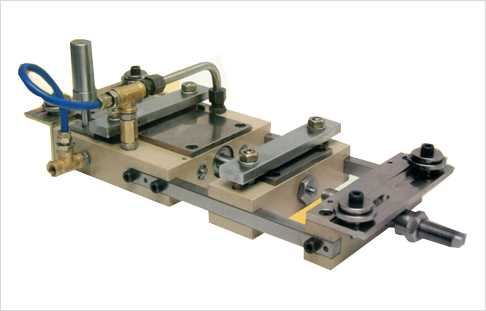
Feeding Machine
A feeding machine is a device or system designed to automatically supply materials, components, or products to another machine or process. They are crucial for maintaining continuous production, increasing efficiency, and often improving safety by reducing manual handling. This is a very broad category, as feeding machines exist for diverse materials and applications.
Types of feeding machine
For Parts/Components:
Vibratory Bowl Feeders: Common for small parts, using vibration to orient and feed parts in a single file.
Centrifugal Feeders: For higher speed feeding of larger parts.
Linear Feeders: Work in conjunction with bowl feeders to transfer parts.
Step Feeders: Use a stepping mechanism to lift and sort parts.
Elevator Feeders: Use an inclined conveyor with buckets to lift and feed bulk materials.
Magazine Feeders: Hold stacks of components and dispense them one by one.
For Bulk Materials (Powders, Granules, Liquids):
Screw Feeders (Augers): Use a rotating screw to convey and meter powders, granules, or even viscous liquids.
Vibratory Tray Feeders: For precise feeding of bulk dry materials.
Belt Feeders: For conveying and metering bulk materials, often granular or lumpy.
Volumetric Feeders: Dispense a fixed volume of material per cycle.
Gravimetric Feeders (Loss-in-Weight): More precise, continuously weigh material and adjust feed rate.
Pumps: For feeding liquids.
For Sheet/Roll Materials:
Sheet Feeders: For paper, cardboard, metal sheets (e.g., in printing, press lines).
Roll Feeders: For continuous rolls of material (e.g., plastic film, metal strip for stamping).
Applications in Various Industries
Manufacturing/Assembly: Supplying fasteners, electronic components, automotive parts, pharmaceutical pills to assembly lines.
Food Processing: Feeding ingredients (powders, grains), packaging materials.
Plastics Industry: Feeding pellets to extruders or injection molding machines.
Pharmaceuticals: Feeding pills, capsules, bottles to packaging lines.
Chemical Industry: Metering raw materials for mixing or reactions.
Printing & Packaging: Feeding paper, labels, containers.
Mining & Construction: Feeding bulk aggregates, cement.
Technology:
Vibration Control: Electromagnetic vibrators, spring systems, and precise tuning for optimal part orientation and flow.
Sensors: Photoelectric sensors, proximity sensors, vision systems for part detection, orientation verification, and level control.
PLC/Microprocessor Control: For precise timing, synchronization with downstream machines, and feedback control (e.g., in gravimetric feeders).
Automated Tooling: Custom tooling within vibratory bowls to orient specific parts.
Variable Speed Drives: For controlling feed rates.
HMI/Touchscreen Interfaces: For setting parameters and monitoring operation.
Robotic Integration: Often work in conjunction with robots for pick-and-place operations.
Dust Control & Hygiene: Enclosed systems, easy-to-clean designs for food and pharmaceutical applications.
Material Selection Considerations
For Machine Components: