
HOTLINE: +91 851-114-2701
1 listings from verified sellers across India
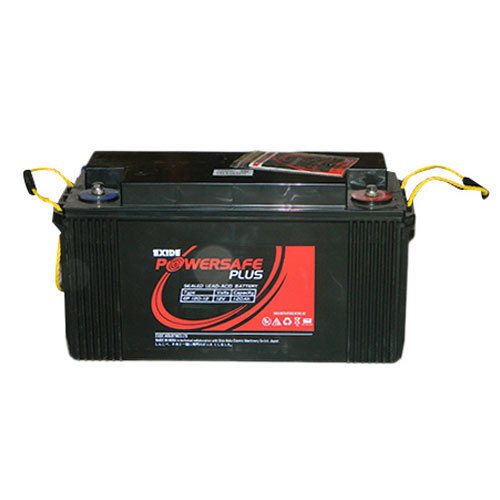
Inverter Batteries
Inverter batteries are specialized rechargeable batteries designed to provide a continuous power supply during electricity outages by working in conjunction with an inverter. The inverter converts the DC (Direct Current) stored in the battery into AC (Alternating Current) that can power household or office appliances. These batteries are built to withstand frequent and deep discharge cycles, which differentiates them from standard automotive batteries.
Types of Inverter Batteries
Lead-Acid Batteries:
Flat Plate Batteries: Have positive and negative plates arranged in a flat configuration. Generally more affordable and suitable for areas with frequent but short power cuts. They have a shorter lifespan compared to tubular batteries.
Tubular Batteries: Utilize tubular positive plates, which offer a larger surface area for electrolyte contact. This design leads to longer life cycles, better performance during deep discharges, and require less maintenance (fewer water top-ups). Ideal for regions with prolonged power outages.
Sealed Maintenance-Free (SMF) Lead-Acid Batteries (VRLA - Valve Regulated Lead-Acid): These are sealed and do not require water top-ups. They are less prone to gas emission and can be installed in various orientations. However, they are generally less suitable for deep cycling in inverter applications compared to flooded lead-acid batteries.
Lithium-Ion (Li-ion) Batteries:
A newer, more advanced option for inverters. They are significantly lighter, more compact, offer higher energy density, faster charging, a longer lifespan (more charge/discharge cycles), and are maintenance-free. Their main drawback is a higher initial cost.
Applications in Various Industries
Residential Homes: Powering essential appliances like lights, fans, televisions, and computers during blackouts. This is the most common application.
Small Offices and Businesses: Providing backup power for critical systems, computers, and lighting to ensure business continuity.
Retail Shops: Maintaining power for point-of-sale systems, lighting, and security.
Healthcare Facilities (small scale): Backup for non-life-critical equipment in clinics or small hospitals.
Rural Electrification: Providing power in areas with unreliable grid access, often coupled with solar panels.
Telecommunications: Powering remote base stations and communication equipment (though often specialized industrial batteries are used here).
Solar Power Systems: Acting as energy storage for excess solar energy, which can then be used when the sun isn't shining.
Material Selection Considerations
Lead-Acid Batteries:
Lithium-Ion Batteries: