HOTLINE: +91 851-114-2701
7 listings from verified sellers across India
Drilling Rigs
A drilling rig is an integrated system of machinery designed to drill wells into the earth's subsurface, primarily for oil, natural gas, or water, but also for geotechnical investigations, mining, and construction piling. They range from small, portable units to massive structures capable of drilling thousands of meters deep.
Types of Drilling Rigs
Land Rigs:
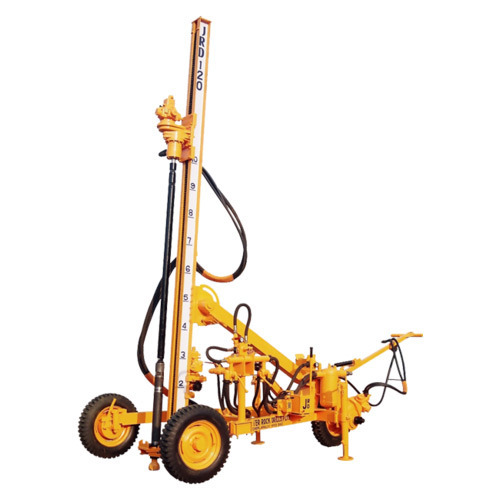
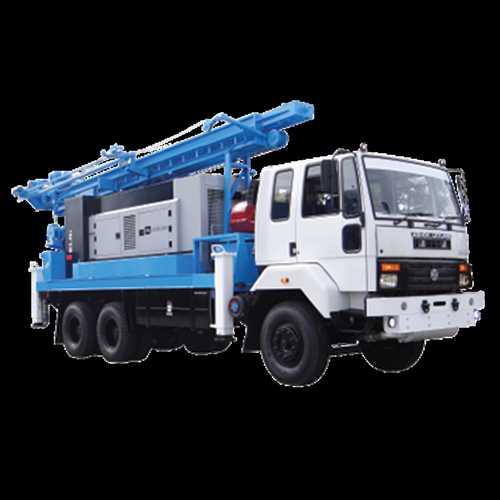
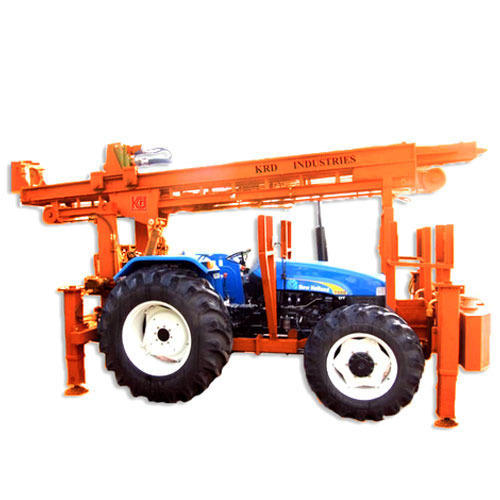
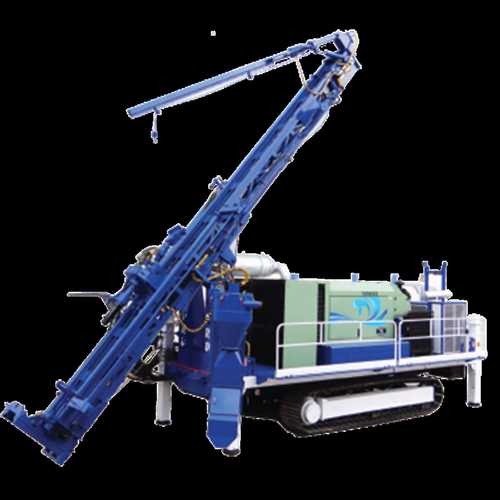
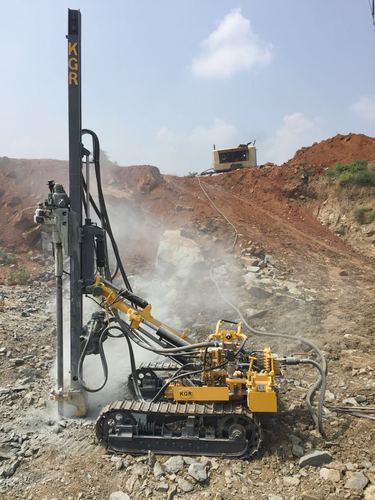
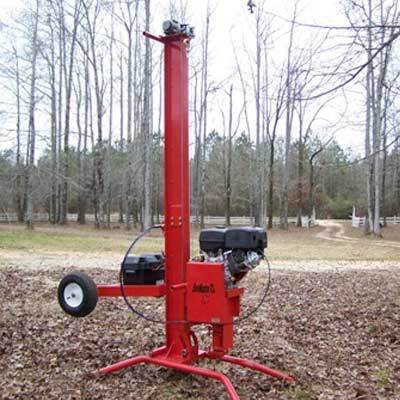
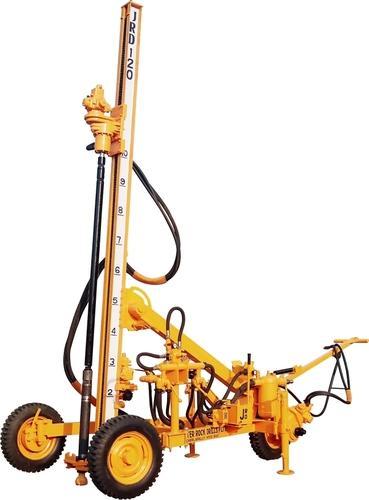
Mobile Rigs: Mounted on trucks, tracks, or trailers, easily moved between shallow well sites (e.g., water well rigs, smaller exploration rigs).
Conventional/Heavy Land Rigs: Large, stationary rigs used for deeper wells, requiring disassembly and reassembly for relocation.
Automated Drill Rigs (ADRs): Advanced land rigs with automated drilling processes, often "walking" from pad to pad.
Offshore Rigs:
Jackup Rigs: Self-elevating platforms with legs that extend to the seabed, suitable for shallow to medium waters.
Semisubmersible Rigs: Floating platforms held in place by anchors or dynamic positioning, used in deeper waters.
Drillships: Vessel-shaped mobile drilling units with drilling equipment mounted through a moonpool, used in ultra-deep waters.
Fixed Platforms: Permanent structures in shallow to medium waters, supporting multiple wells.
Specialized Rigs:
Mining Rigs: For exploration (identifying mineral deposits) and production drilling (blasting, core sampling).
Geotechnical Rigs: For soil sampling, rock testing, and groundwater monitoring.
Piling Rigs: Used in construction to drill holes for piles (foundations).
Auger Rigs: Utilize a helical screw (auger) to drill holes, often for shallow depths and softer materials.
Applications in Various Industries
Oil & Gas Industry:
Exploration Drilling: To identify and evaluate hydrocarbon reservoirs.
Development Drilling: To extract oil and gas from discovered reservoirs.
Workover Rigs: Used for maintenance and repair of existing wells.
Directional Drilling: Technology allowing wells to be drilled non-vertically, reaching reservoirs far from the surface location.
Horizontal Drilling: Key for unconventional reservoirs (shale gas/oil), maximizing contact with the formation.
Water Well Drilling: Providing access to groundwater for agriculture, industrial, and domestic use.
Mining:
Core Drilling: To obtain rock samples for geological analysis.
Blast Hole Drilling: Creating holes for explosives in surface mining.
Construction:
Piling: Drilling boreholes for foundation piles in buildings and infrastructure.
Geothermal Drilling: For geothermal energy systems.
Utility Installation: Drilling for underground cables and pipes.
Material Selection Considerations