
HOTLINE: +91 851-114-2701
1 listings from verified sellers across India
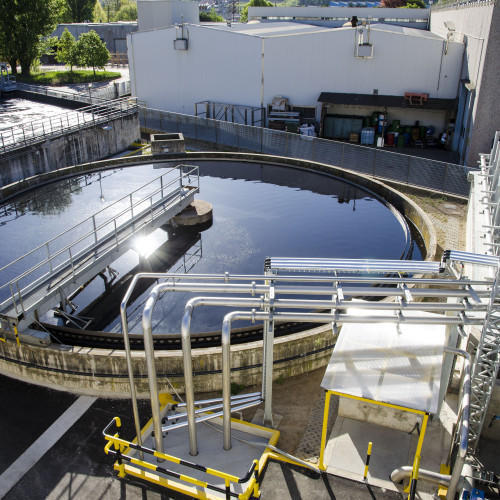
An Effluent Treatment Plant (ETP) is a critical system used by industries to treat wastewater and remove harmful contaminants before discharge or reuse. With growing environmental regulations and sustainability goals, industries across India are investing in advanced effluent treatment solutions to ensure compliance and reduce environmental impact.
Effluent Treatment Plants (ETPs) In Hyderabad play a vital role in treating industrial wastewater to ensure safe disposal or reuse in compliance with environmental regulations. These systems are widely used across industries such as textiles, pharmaceuticals, chemicals, food processing and manufacturing. ETP solutions In Hyderabad range from compact packaged treatment units for small industries to large-scale Common Effluent Treatment Plants (CETPs) and advanced Zero Liquid Discharge (ZLD) systems for water-intensive operations. Modern ETPs incorporate proven technologies such as Moving Bed Biofilm Reactors (MBBR), aeration systems, primary and secondary clarification, filtration, and sludge management to achieve high treatment efficiency. Leading ETP manufacturers and solution providers In Hyderabad, including Ion Exchange and Indian Trade Bird, offer customized effluent treatment solutions, system integration, operation support, and long-term maintenance services, helping industries reduce environmental impact while optimizing water reuse and operational costs.
The Effluent Treatment Plant process operates at various levels, employing a comprehensive range of physical, chemical, membrane, and biological processes. This ensures that wastewater from industries like pharmaceuticals, textiles & dyes, refineries, chemicals, etc., is thoroughly treated before being discharged into the environment.
Manufacturers listed on Indian Trade Bird offer a wide range of ETP systems including:
Chemical Effluent Treatment Plant
Biological Effluent Treatment Plant
Combined ETP Systems
Zero Liquid Discharge (ZLD) Plants
Modular & Compact ETP Plants
Customized Industrial ETP Solutions
Effluent Treatment Plants are widely used across multiple industries such as:
Textile & Dyeing Industries
Pharmaceutical & Chemical Plants
Food & Beverage Processing Units
Leather & Tannery Industries
Oil & Gas & Petrochemical Plants
Power Plants & Manufacturing Units
Environmental protection & sustainability
Compliance with CPCB & SPCB norms
Water reuse & recycling
Reduced operational & disposal costs
Improved corporate environmental responsibility
Indian Trade Bird serves as a trusted B2B platform for businesses looking to source high-quality Effluent Treatment Plants In Hyderabad. We connect you with reliable manufacturers who offer turnkey ETP solutions, installation support, maintenance services, and export-quality systems designed for long-term performance.
Explore verified manufacturers, suppliers & exporters only on Indian Trade Bird.
Post Your Requirement Today & Get the Best Deals!
Discover the best deals on the Top 10 Effluent Treatment Plant at Indian Trade Birds, your trusted destination for high-quality industrial solutions. As a leading manufacturer, supplier, exporter, and retailer, we specialize in Interlocking ETP Plant, Effluent Treatment Plants (ETP)), HEXON ETP, Industrial ETP, 10 KLD ETP, Common ETP, Pharmaceuticals Effluent Treatment Plants, Effluent Water Treatment Plants, Packaged ETPs, and Prefabricated Packaged ETPs. Our advanced machines are designed for low maintenance, high efficiency, and durability, helping businesses reduce operational costs while boosting profit margins. With our reliable and cost-effective solutions, you can ensure optimum performance and maximum return on investment for your industrial needs.
Popular searches
Effluent Treatment Plant | Effluent Treatment Plant Manufacturer | Effluent Treatment Plant Supplier | Effluent Treatment Plant Price | Effluent Treatment Plant Diagram | Effluent Treatment Plant Near Me | Top Effluent Treatment Plant | Best Effluent Treatment Plant | No.1 Effluent Treatment Plant | Top 10 Effluent Treatment Plant Manufacturers In Hyderabad | Buy Effluent Treatment Plant | Buy Online Effluent Treatment Plant
Everything you need to know about Effluent Treatment Plant
As a result, an ETP is designed to extract the physical, chemical, and biological materials contained in effluent. An ETP is divided into four levels depending on the degree of treatment required for the wastewater. Each level is designed to extract a specific form of substance from the effluent.
Effluent treatment plants (ETPs) are used to remove high levels of organic compounds, debris, soil, sand, pollution, harmful and non-toxic materials and polymers, and other contaminants from industrial effluent.
An ETP device extracts toxic and non-toxic materials from water, allowing it to be used for a variety of purposes. A sewage treatment plant (STP) extracts pollutants from urban or household sewage. ETP is used in industrial settings, while STP is used to purify domestic water.
Effluent Treatment Plant is a designed system to clean industrial effluents, contaminated water from the sources, to make it reusable for an additional purpose. This type of treatment plant helps to ensure that the contaminated & polluted water from industries gets treated making it reusable before being released back to nature.