
HOTLINE: +91 851-114-2701
2 listings from verified sellers across India
Industrial Filtration Systems
Industrial filtration systems are specialized equipment designed to separate impurities and contaminants from various substances, including air, water, and other fluids. They are crucial for maintaining product quality, protecting equipment, ensuring environmental compliance, and optimizing industrial processes across a wide range of sectors.
Types of Industrial Filtration Systems
Filter Housings
Provide a protective enclosure for filter elements.
Stainless Steel Filter Housing: For high-pressure, corrosive, or sanitary applications.
Plastic Filter Housing: For less demanding applications, often cost-effective.
Bag Filter Housing: Accommodates bag filters for high flow rates and particulate removal.
Cartridge Filter Housing: Designed for cartridge filters, offering fine filtration.
Membrane Housing: Specifically for reverse osmosis (RO) or ultrafiltration (UF) membranes.
Filter Media:
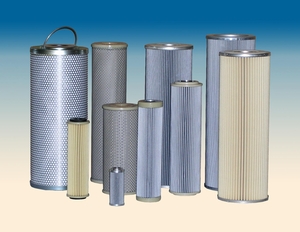
Cartridge Filters: Cylindrical elements made from pleated paper, ceramic, synthetic fibers, or activated carbon for various particle sizes and chemical removal.
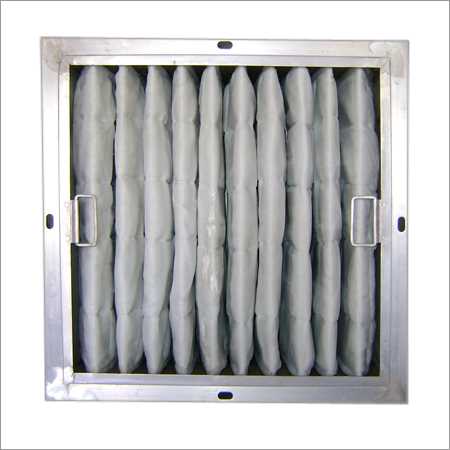
Bag Filters: Fabric bags used for larger particulate removal and high flow rates.
Membranes: Semi-permeable barriers for very fine separation (e.g., reverse osmosis, nanofiltration, ultrafiltration, microfiltration).
Sand Filters: Utilize layers of sand and gravel for larger particle removal in water treatment.
Activated Carbon Filters: Remove organic compounds, chlorine, and odors.
Specialized Systems:
UV Disinfection Systems: Employ ultraviolet light to neutralize microorganisms.
Separator Systems: Remove solids from liquids using centrifugal force (e.g., hydrocyclones, centrifuges).
Oil-Water Separators: Separate oil from water using gravity or coalescing media.
Air Filters: Remove particulates, dust, and aerosols from air streams (e.g., HEPA filters, HVAC filters).
Applications in Various Industries
Water Treatment: Purification of drinking water, wastewater treatment, industrial process water, boiler feed water. Technologies include reverse osmosis, ultrafiltration, sand filtration, activated carbon.
Food & Beverage: Ensuring product purity and sterility in milk, juices, beer, and soft drinks. Applications include clarification, sterilization, and contaminant removal.
Pharmaceuticals: Critical for sterile manufacturing environments, active pharmaceutical ingredient (API) production, and water for injection (WFI). Technologies include membrane filtration (sterile filtration), HEPA air filtration.
Chemical Processing: Removing catalysts, protecting downstream equipment, and product purification. Dealing with corrosive and high-temperature fluids.
Oil & Gas: Removing solids and water from crude oil and natural gas, protecting pipelines and refinery equipment.
Manufacturing: Machining fluids, paints, coatings, and general industrial water. Filtration prevents defects and extends fluid life.
HVAC Systems: Air purification in commercial and residential buildings, cleanrooms, and industrial ventilation.
Material Selection Considerations