
HOTLINE: +91 851-114-2701
1 listings from verified sellers across India
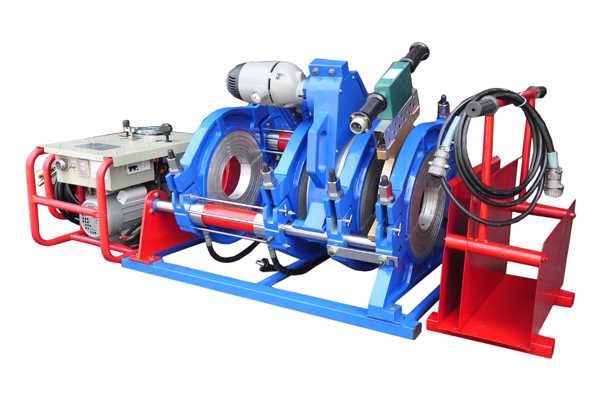
Pipe Welding Machine – Reliable Pipe Welding Equipment & Manufacturers In Jalandhar
Pipe Welding Machines are precision-engineered systems designed to weld cylindrical and tubular metal components, enabling strong, accurate, and repeatable welds in pipe fabrication. These machines support a range of welding processes (such as TIG, MIG, Submerged Arc, and Orbital), ensuring weld integrity, minimal distortion, and high productivity for pipe lines, pressure vessels, and structural tubing.
At Indian Trade Bird, we connect you with verified Pipe Welding Equipment Manufacturers and Suppliers In Jalandhar, allowing you to compare machine specifications, welding process types, build quality, and pricing to choose the most suitable pipe welding solution for your business.
• Versatile Welding Methods: Support for multiple welding processes like TIG, MIG/MAG, Orbital, and Submerged-Arc to suit different pipe-welding requirements.
• High Precision & Control: Digital control panels, rotation speed control, and welding parameters help achieve consistent and accurate welds.
• Strong Weld Integrity: Produces high-quality, defect-free weld joints optimised for pressure-bearing pipes and critical applications.
• Automation & Productivity: Automated or semi-automated pipe welding systems reduce manual labor and improve throughput.
• Adaptable to Various Pipe Sizes: Compatible with a wide range of pipe diameters, wall thicknesses, and materials (steel, stainless steel, alloy).
• Robust Build & Portability Options: Available as fixed bench machines or mobile welding units for on-site fabrication.
• Pipe Welding Machines are widely used in:
• Oil & gas pipeline fabrication
• Petrochemical and chemical plants
• Power generation (boilers, heat exchangers)
• Water supply and sewage infrastructure
• Shipbuilding and marine piping systems
• Industrial process plant construction
• Structural steel tube fabrication
• Welding Process: Select the process (e.g., Orbital TIG for thin or critical welds, Submerged Arc for high-deposition pipe lines) based on your application.
• Pipe Size & Material: Ensure the machine supports the diameter, wall thickness, and material of your pipes (steel, stainless, alloy).
• Automation Needs: Decide if you need a manual, semi-automatic, or fully automatic / orbital welding machine, depending on volume and precision.
• Duty Cycle & Power: Check the power rating and duty cycle of the welding machine to make sure it can sustain the workload.
• Support & Consumables: Assess the availability of spare parts (torches, wire feeders, clamps), service network, and after-sales support.
• Verified Manufacturers & Suppliers: All listed pipe welding equipment manufacturers are vetted for credibility and quality.
• Wide Range of Options: Browse multiple welding methods, brands, and machine models in one platform.
• Local Availability: Suppliers based In Jalandhar provide better logistical efficiency, support, and communication.
• Detailed Product Information: Access machine specifications, datasheets, technical details, and direct contact information for inquiries.
Tips for Safe & Effective Operation
• Maintain proper grounding and clamp connections to ensure stable arc behavior.
• Clean welding torches, wire feeders, and pipe surfaces before welding to avoid defect formation.
• Use correct rotation speed (for orbital welding) and ensure consistent travel speed.
• Monitor welding parameters (current, voltage, wire feed) regularly to maintain weld quality.
• Inspect welds nondestructively (e.g., X-ray, ultrasonic) when working in critical or pressure-rated applications.
Popular Searches on Indian Trade Bird
Pipe Welding Machine Manufacturer | Orbital Pipe Welding Machine India | Submerged Arc Pipe Welding Equipment | High-Precision Pipe Welding Systems | Automated Pipe Welding Machines | Industrial Pipe Welding Equipment
Summary
Indian Trade Bird offers a curated catalogue of Pipe Welding Machines from trusted manufacturers across India. Whether your needs are for pipeline fabrication, power-plant construction, shipbuilding, or industrial process plants, our platform helps you compare machine technologies, automation levels, and vendor capabilities in one place.
Selecting the right pipe welding equipment ensures stable weld quality, high productivity, and long-term reliability. Explore our supplier listings today to request detailed specifications, evaluate machines for your workflows, and make an informed purchase decision.
Everything you need to know about pipe welding machine
It is used to weld cylindrical pipes and tubes using various welding processes (TIG, MIG, orbital, submerged arc) to create strong, high-integrity joints.
Consider your production volume, weld quality requirements, and budget. Manual machines are more flexible and lower cost; automated or orbital machines give consistency and speed for repetitive, high-volume tasks.