
HOTLINE: +91 851-114-2701
1 listings from verified sellers across India
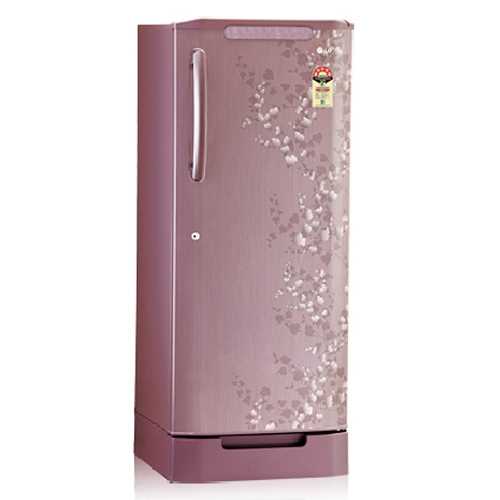
Commercial Refrigerator
Commercial refrigerators are large-capacity refrigeration units designed for businesses. They operate on the vapor-compression cycle (compressor, condenser, expansion, evaporator) like household fridges, but are built for continuous operation and larger loads
Examples include reach-in upright coolers, display cases, walk-in coolers/freezers, and under-counter units. They keep goods (food, beverages, pharmaceuticals) at safe temperatures for storage or display.
Type of Commercial Refrigerator
Vary by configuration: Reach-in cabinets (upright with hinged or sliding doors), undercounter/fridge drawers, chest freezers, and display cases (open-air or glass doors). Walk-in coolers and freezers are custom-built insulated rooms with refrigeration systems. Based on condenser type, they may be self-contained units (all refrigeration parts in one cabinet) or split systems (external condenser, ducted refrigerant). Refrigerant choice (commonly R-134a, R-404A, R-290, etc.) and insulation thickness are key design aspects.
Applications in Various Industries
Used in retail (supermarkets, convenience stores), food service (restaurants, bakeries, hotels), laboratories and hospitals (for specimens and drugs), and manufacturing (material storage). For instance, supermarket refrigeration racks and display freezers keep perishable foods cold. In India, commercial fridges are widespread in eateries and pharma cold chain.
Material Selection Considerations
Interiors are typically stainless steel or food-grade aluminum (for easy cleaning and hygiene). Exterior panels may be stainless or painted steel. Shelving is usually chrome-plated steel or aluminum. Insulation is polyurethane foam. Refrigeration coils are copper tubing, often aluminum-finned. Door gaskets are PVC rubber. Materials must balance durability (stainless exterior, heavy cast door hinges) and cost (ABS or laminate for some interiors).
Everything you need to know about commercial refrigerator
Commercial refrigerators are designed to be used much more frequently. A domestic refrigerator may be opened a dozen times per day, while a commercial refrigerator may be opened many times per hour.
There are many applications of Commercial Refrigeration Equipments depending on market types, by-product wise it is in use where there is a need for Refrigerators & Freezers, Beverage Refrigerations, Refrigerated Display Case, Transportation Refrigeration, etc. By refrigerant type, where it is required for Fluorocarbons, Inorganics, Hydrocarbons. By applications in Hotels & Restaurants, Convenience Stores, Pharmaceutical, Supermarkets & Hypermarkets, etc.
Commerical Refrigeration Equipment w\are refrigerators used in many commercial places and industries for storage. These regrigerators and freezers are used in supermarkets, restaurants, commercial kitchens. Commercial refrigeration equipment may be self-contained, in which the refrigerated case and the entire refrigeration system are combined into a single physical device, or remote condensing, in which the refrigerated case and the entire refrigeration system are combined into a single physical unit.