
HOTLINE: +91 851-114-2701
5 listings from verified sellers across India
.jpg)
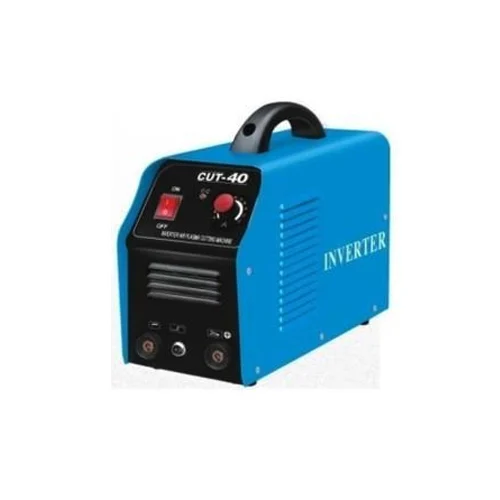
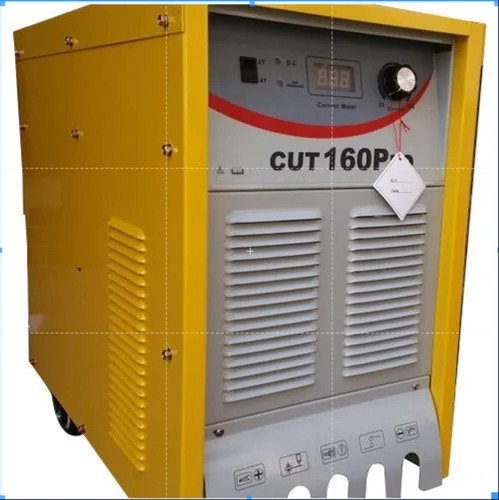
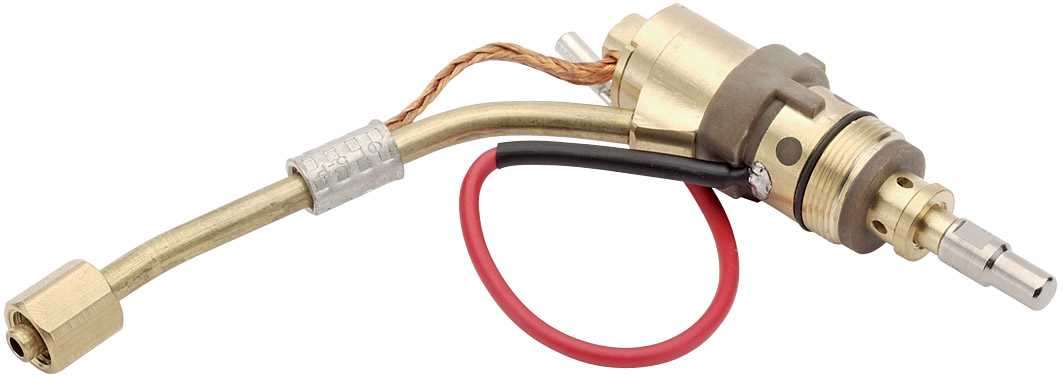
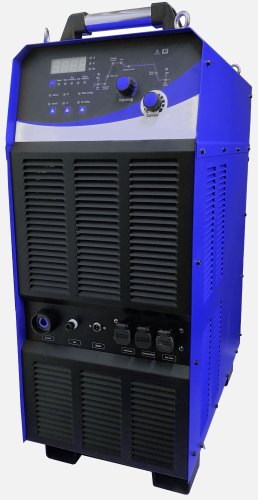
Plasma Cutting Machine
A machine that uses a plasma torch to cut electrically conductive materials (metals) by heating them to a very high temperature and forcing a high-velocity jet of ionized gas (plasma) through the molten metal.
Types of Plasma Cutting Machine
Manual Plasma Cutters: Handheld torches for general fabrication, repair, and DIY use.
Portable Plasma Cutters: Smaller, lighter units for on-site work.
CNC Plasma Cutting Machines: Computer Numerically Controlled systems integrated with a cutting table, offering automated, precise, and repeatable cutting for industrial applications.
High-Definition Plasma Cutters: Advanced systems producing very fine, square cuts with minimal dross.
Underwater Plasma Cutting Systems: For specialized applications to reduce fumes and noise.
Applications in Various Industries
Metal Fabrication: Cutting steel, aluminum, stainless steel for various structures, parts, and assemblies.
Automotive Industry: Manufacturing chassis parts, exhaust systems, body panels.
Construction: Cutting steel beams, pipes, and structural components.
Heavy Machinery Manufacturing: Producing parts for agricultural equipment, mining machinery.
Shipbuilding: Cutting large metal plates.
Art and Sculpture: Creating intricate metal designs.
Technology
Plasma Generation: An electric arc is struck between an electrode and the workpiece, ionizing a gas (air, oxygen, nitrogen, argon, hydrogen) to create plasma.
High-Frequency Ignition: To initiate the arc.
Power Source: Converts AC power to DC output for the arc.
Torch Design: Nozzles and electrodes direct the plasma jet.
Cooling Systems: For the torch and power supply.
CNC Control: For automated movement and precise cutting paths.
Height Control Systems: To maintain optimal torch-to-workpiece distance.
Material Selection Considerations