
HOTLINE: +91 851-114-2701
1 listings from verified sellers across India
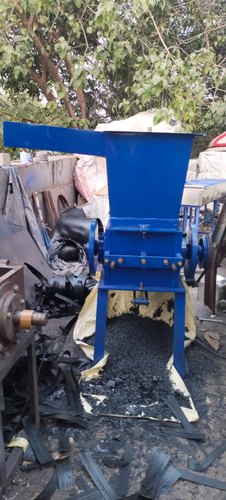
Plastic Crushing Machine
A plastic crushing machine, commonly known as a plastic granulator or plastic shredder, is a mechanical device used to reduce the size of plastic waste or scrap materials into smaller, more uniform particles (granules or flakes). This process is crucial for plastic recycling, as it prepares the material for further processing like washing, extrusion, and molding.
Types of Plastic Crushing Machine
Granulators:
Typically use rotating blades to cut plastic into small, consistent granules.
Open Rotor Granulators: For light to medium duty, general-purpose granulation.
Closed Rotor Granulators: More robust, for heavy-duty applications and denser plastics.
Beside-the-Press Granulators: Small, compact granulators for immediate reprocessing of sprue and runners from injection molding machines.
Central Granulators: Larger, high-capacity machines for processing bulk plastic waste.
Shredders:
Use rotating shafts with knives or teeth to tear and rip plastic into larger, irregular pieces (flakes). Often used as a primary size reduction step before granulation, especially for bulky or thick plastics.
Single-Shaft Shredders: One rotating shaft with cutting knives.
Twin-Shaft Shredders: Two counter-rotating shafts for higher torque and bulk reduction.
Four-Shaft Shredders: Two primary cutting shafts and two secondary sizing shafts for more uniform output.
Pulverizers/Grinders: Reduce plastic to a fine powder (e.g., for rotational molding).
Applications in Various Industries
Plastics Recycling: The core of plastic recycling facilities, processing post-consumer (bottles, films) and post-industrial (sprues, purges, rejected parts) plastic waste into re-usable forms.
Manufacturing: In-house recycling of production scrap, reducing waste and raw material costs.
Waste Management: Reducing the volume of plastic waste for easier handling and transportation.
Compounding: Preparing plastics for blending with additives or other polymers.
Technology:
Cutting Mechanism: Rotors with rotating blades (granulators) or shafts with shredding knives (shredders) working against stationary bed knives or counter-knives.
Screen/Sieve: Used in granulators to control the final size of the output particles.
Drive System: Powerful electric motors, often with heavy-duty gearboxes for shredders to provide high torque.
Feeding Systems: Manual, conveyor belt, or automated feeding.
Discharge Systems: Blower systems to transfer granules, or conveyors.
Safety Features: Emergency stop buttons, interlocks, overload protection.
Dust & Noise Control: Enclosures, soundproofing, and dust collection systems are common.
Material Selection Considerations