HOTLINE: +91 851-114-2701
Sublimation Printing Machine
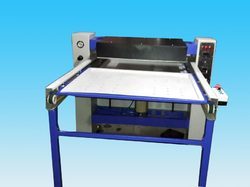
A sublimation printing machine uses heat and pressure to transfer dye from special paper onto substrates (typically polyester fabrics, ceramics, metals, plastics, etc.). In this process, ink turns to gas and permanently embeds into the material, yielding vibrant, durable images. It is widely used for high-resolution, full-color designs that won’t crack or peel.
Type of Sublimation Printing Machine
Sublimation printers come in various formats: from desktop or small-format machines for home/business use to large industrial and wide-format models. They may be flatbed (for rigid items like plaques) or roll-to-roll (for textiles), and can be categorized by printing width, print-head technology, and intended volume (e.g. batch vs. continuous).
Application on Various Industries
Extremely versatile, they serve apparel and textile printing (T-shirts, sports jerseys), home décor (curtains, pillows, upholstery) and custom merchandise (mugs, phone cases, photo panels). They are also used in signage and advertising (trade-show banners, backlit displays) and personalized gifts (custom mugs, keychains, frames).
Material Selection Considerations
Machines are built with sturdy metal frames (often steel or aluminum) and high-temperature components (heat platens or rollers). Substrates for sublimation must be polyester-based or specially coated to bond with dye. Key considerations include using high-quality heat-resistant alloys or Teflon-coated plates, reliable electronics, and bleed-proof inks. Choosing durable UV-resistant materials and corrosion-resistant metals ensures longevity and print quality.
FAQ's