
HOTLINE: +91 851-114-2701
2 listings from verified sellers across India
Tower Crane
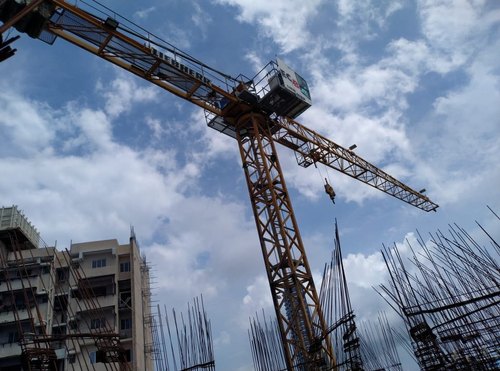
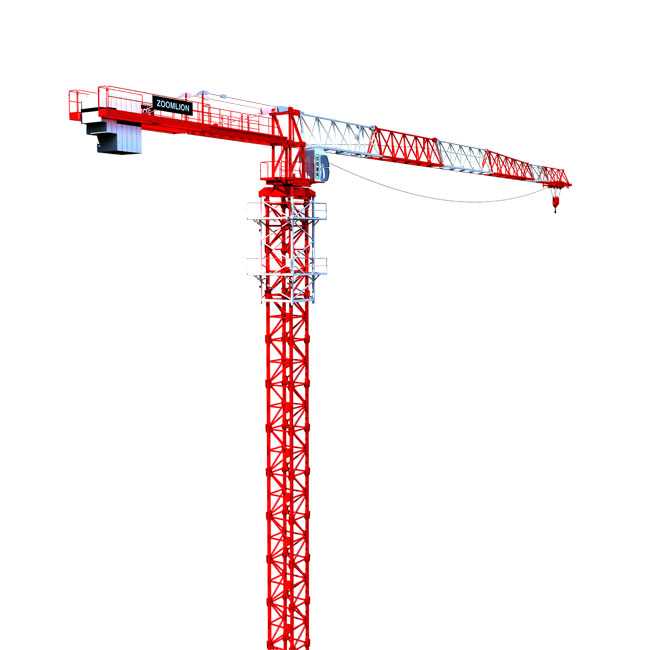
A tower crane is a fixed crane used for lifting and moving heavy materials on construction sites. Characterized by its height and ability to reach significant distances, it is an indispensable piece of equipment for building tall structures, often used in the construction of high-rise buildings, bridges, and other large infrastructure projects.
Types of tower crane
Based on Assembly:
Self-Erecting Tower Cranes: Can be assembled on site without the need for an additional mobile crane. Smaller models, often used for residential or low-rise commercial projects.
Top-Slewing Tower Cranes: The slewing unit (upper structure) rotates on top of a fixed mast. These are the most common type for high-rise construction.
Bottom-Slewing Tower Cranes: The entire crane (mast and upper structure) rotates on a base, often mounted on wheels or tracks for mobility on site. Less common for very high rises.
Based on Jib Type:
Luffing Jib Cranes: The jib (boom) can be raised and lowered, allowing for operations in confined spaces or where obstacles are present (e.g., adjacent buildings).
Hammerhead Cranes (Fixed Jib/Trolley Jib): The jib extends horizontally, and the hoist trolley moves along the jib. Offers larger lifting capacity and reach.
Based on Mounting:
Free-Standing: Erected on a concrete foundation.
Tied-In: Attached to the structure being built at various heights to increase stability and allow for greater height.
Climbing Cranes (Internal or External): Designed to "climb" with the building as it grows taller, either by being integrated into the structure's core or by climbing outside.
Applications in Various Industries
Building Construction: High-rise residential and commercial buildings, skyscrapers.
Infrastructure Projects: Bridges, power plants, dams, large industrial facilities.
Shipbuilding: Lifting large components in shipyards (though gantry cranes are more common).
Precast Concrete Construction: Lifting and positioning heavy precast concrete elements.
Material Selection Considerations