
HOTLINE: +91 851-114-2701
1 listings from verified sellers across India
Voltage Stabilizers (Stabilizers)
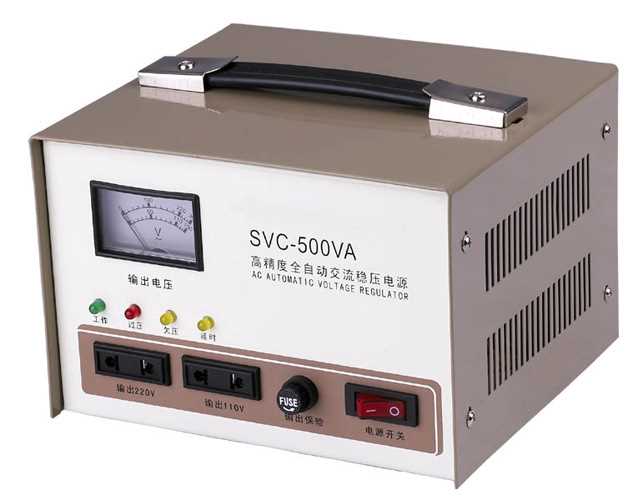
A voltage stabilizer is an electrical device that regulates output voltage to remain constant despite input fluctuations. In power systems, stabilizers (also called voltage regulators) protect equipment by ensuring the load sees a steady voltage even if supply voltage varies
They typically use transformers, relays or servo mechanisms to boost or cut voltage on demand.
Type of Voltage Stabilizers
Stabilizers come in various designs
Servo-voltage stabilizers use a motor-driven transformer tap changer; static stabilizers use power electronics (TRIAC or SCR) to switch taps. Others include ferro resonant and electronic (SMPS) types. They can be AC or DC models, single-phase or three-phase.
Applications in Various Industries
Used wherever sensitive electronics or motors need protection. Commonly found in industrial plants, telecom/electronics facilities, laboratories, and also for domestic appliances (air conditioners, refrigerators). By providing a constant supply, they prevent damage from brownouts or spikes and extend equipment life
Material Selection Considerations
Core components include a transformer (silicon steel laminations, copper windings) and control circuitry (steel chassis, copper wire, semiconductors). High-quality stabilizers use robust steel or aluminum enclosures. Capacitors and inductors (often metallized polypropylene film or ceramic) are selected for stable voltage under load.