
HOTLINE: +91 851-114-2701
1 listings from verified sellers across India
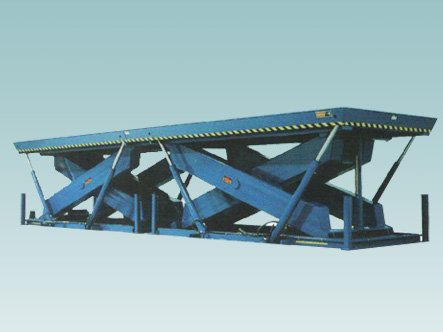
Scissor Lift Tables
A scissor lift table is a type of lifting platform that uses a scissor-like mechanism (linked, folding supports) to raise and lower a flat platform vertically. They are primarily used to lift goods, materials, or equipment to a desired height for ergonomic positioning, loading/unloading, or transfer, rather than for personnel lifting (though some are rated for personnel).
Types of Scissor Lifts Tables
Manual/Hand-Pumped Scissor Lift Tables:
Operated by a foot pedal or hand lever, suitable for light-duty, infrequent lifting.
Electric/Hydraulic Scissor Lift Tables:
Powered by an electric motor driving a hydraulic pump, offering greater lifting capacity and speed.
Battery-Powered: For mobility and cordless operation.
AC Powered: For continuous operation in a fixed location.
Fixed/Stationary Scissor Lift Tables:
Permanently installed on a factory floor or dock for continuous use, often recessed into the floor.
Mobile/Portable Scissor Lift Tables:
Equipped with wheels or castors for easy movement within a facility.
Low Profile Scissor Lift Tables:
Designed to have a very low collapsed height, allowing easy loading with a pallet truck without a ramp.
Tandem Scissor Lift Tables:
Use multiple scissor mechanisms in series for very long platforms.
Heavy-Duty Scissor Lift Tables:
For exceptionally heavy loads.
Tilt Scissor Lift Tables:
Can tilt the platform for ergonomic access to components.
Applications in Various Industries
Manufacturing & Assembly: Ergonomic positioning of workpieces, lifting parts to machine height, assembly line integration.
Warehousing & Logistics: Loading/unloading trucks (dock lifts), transferring goods between levels, order picking.
Automotive: Lifting engines, transmissions, or vehicle bodies for maintenance or assembly.
Printing Industry: Lifting stacks of paper to the press feeder.
Packaging Industry: Lifting products for packing or palletizing.
Retail: Stocking shelves, moving displays.
Accessibility: As wheelchair lifts (specialized and regulated).
Technology:
Hydraulic System: Comprises a hydraulic power unit (motor, pump, reservoir), hydraulic cylinders, hoses, and control valves. This is the primary mechanism for lifting.
Scissor Mechanism: Interconnected steel members that extend and retract.
Control System: Push-button controls, foot pedals, limit switches for upper/lower limits, safety valves (e.g., velocity fuses to prevent rapid descent).
Safety Features: Pinch point guards, emergency stop, overload protection, safety maintenance bars.
Material Selection Considerations