
HOTLINE: +91 851-114-2701
6 listings from verified sellers across India
Storage Tank
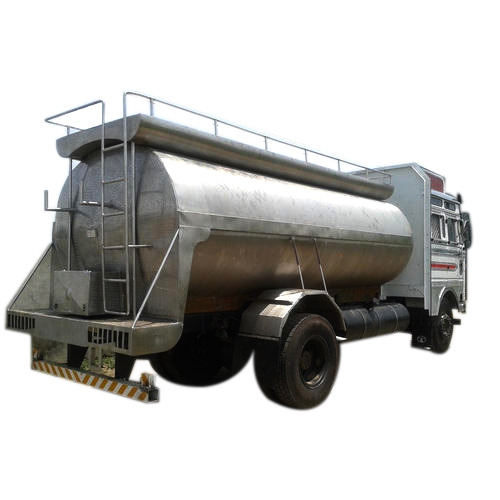
A storage tank is a container, typically cylindrical in shape, used for storing liquids, compressed gases, or bulk solids. They come in various sizes and configurations, designed to safely contain specific materials for various periods, from short-term holding to long-term preservation.
Types of Storage Tank
Atmospheric Tanks:
Designed to operate at atmospheric pressure (or very close to it), commonly used for water, fuels, and chemicals.
Fixed Roof Tanks: Conical or dome-shaped roof, economical.
Floating Roof Tanks (Internal/External): Roof floats on the liquid surface, reducing vapor loss and fire risk, common for volatile liquids like crude oil.
Pressure Vessels/Tanks:
Designed to hold liquids or gases at pressures significantly different from atmospheric pressure.
Spherical Tanks: Best for high pressure, ideal for LPG, LNG.
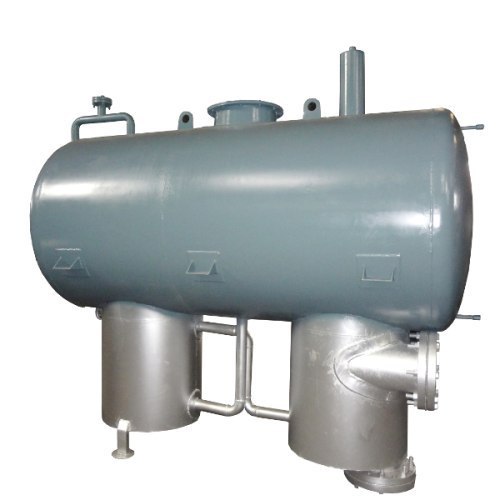
Cylindrical Pressure Vessels: Horizontal or vertical, for various high-pressure gases and liquids.
Underground Storage Tanks (USTs):
Buried beneath the ground, primarily for fuels and chemicals, requiring specific corrosion protection.
Aboveground Storage Tanks (ASTs):
Located on the surface, commonly used for various liquids.
Cryogenic Storage Tanks:
Heavily insulated tanks designed to store liquefied gases at very low temperatures (e.g., LNG, liquid nitrogen, oxygen).
Elevated Storage Tanks:
Water towers, used to maintain water pressure in distribution systems.
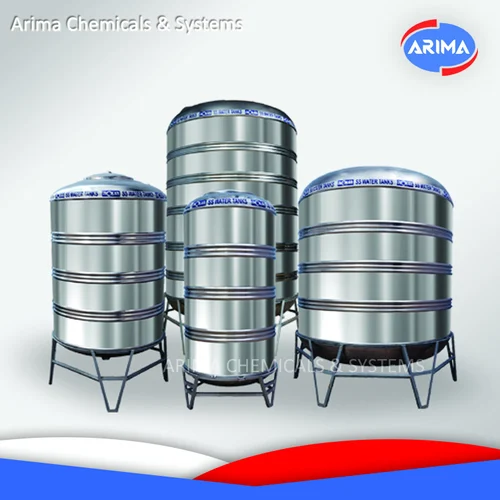
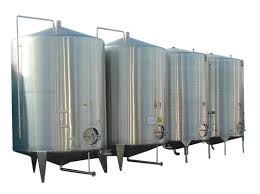
Stainless Steel Tanks:
Used for sanitary applications (food, pharma) or corrosive chemicals.
Fiberglass Reinforced Plastic (FRP) Tanks:
Lightweight and corrosion-resistant, used for water, chemicals, and wastewater.
Applications in Various Industries
Oil & Gas: Storing crude oil, refined petroleum products (gasoline, diesel), natural gas (LNG, LPG), and petrochemicals.
Water Treatment & Supply: Storing raw water, treated water, and wastewater.
Chemical Industry: Storing various chemicals, acids, bases, and solvents.
Food & Beverage: Storing edible oils, dairy products, beverages, ingredients, and processing aids. Requires sanitary design.
Pharmaceuticals: Storing bulk APIs, solvents, and purified water. High hygiene standards.
Agriculture: Storing fertilizers, pesticides, and liquid feeds.
Technology:
Design involves complex engineering considerations for structural integrity, pressure containment, thermal insulation (for cryogenic tanks), corrosion prevention, and leak detection. Advanced technologies include automated level monitoring systems, temperature control, agitation systems, vapor recovery units, double-wall construction for environmental protection, and various safety features (relief valves, fire suppression).
Material Selection Considerations