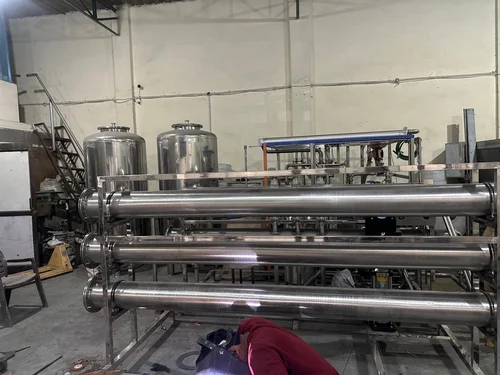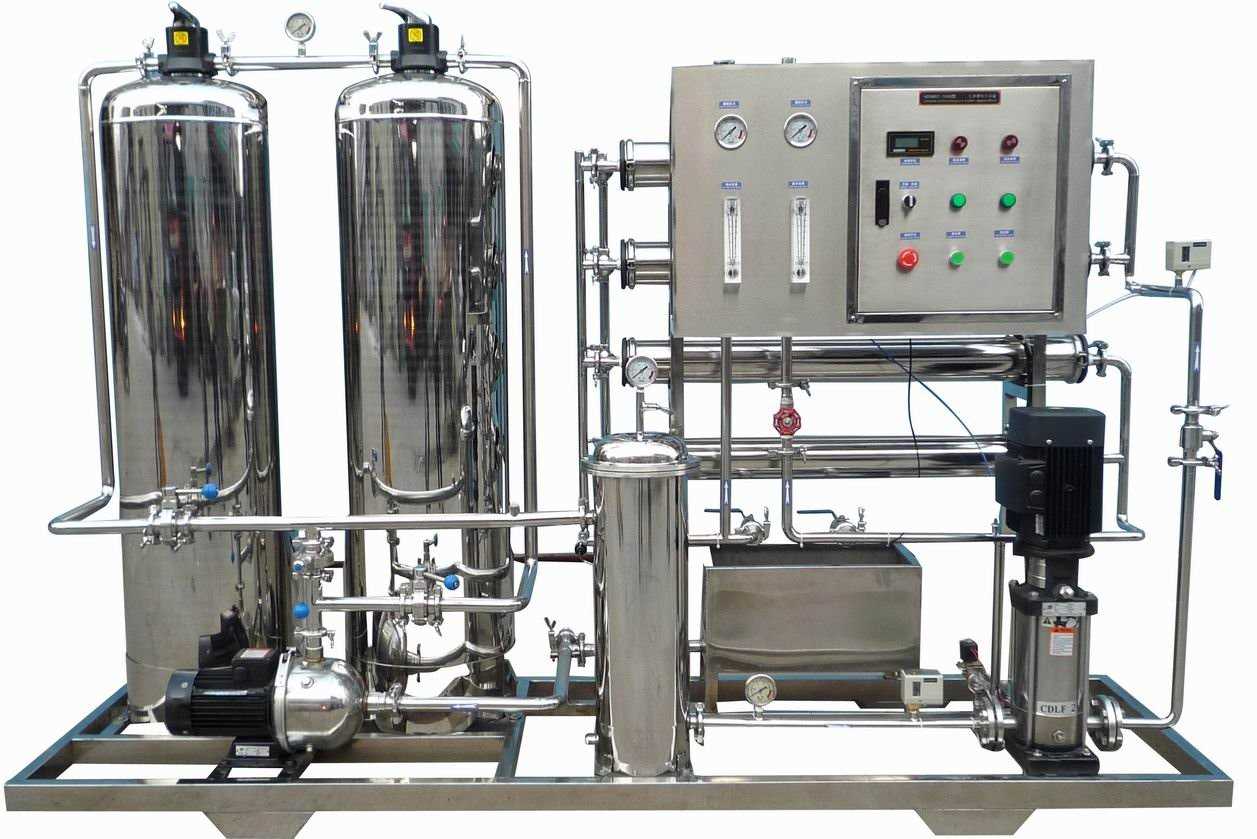
Reverse Osmosis (RO) System Manufacturer In Noida


India is home to many reputed Reverse Osmosis System Manufacturers and Suppliers who specialize in customized water purification solutions. At Indian Trade Bird, you can explore a wide range of RO Plants and RO Systems from trusted companies that prioritize performance, durability, and affordability.

Whether you’re looking for Industrial RO Systems, Commercial RO Plants, or Domestic RO Units, Indian Trade Bird makes it easy to compare specifications, get competitive quotes, and choose the best product for your needs.

Among the most effective and widely adopted purification technologies is the Reverse Osmosis (RO) System. In India, the demand for Reverse Osmosis Systems has grown rapidly due to increasing water pollution and the need for sustainable purification methods. At Indian Trade Bird, we connect buyers with verified RO System Manufacturers, Suppliers, and Exporters In Noida, offering high-quality and efficient systems designed for diverse applications.

What is a Reverse Osmosis System?

A Reverse Osmosis (RO) System is an advanced water purification process that removes contaminants, dissolved salts, and impurities by forcing water through a semi-permeable membrane. This system effectively eliminates harmful substances such as bacteria, viruses, heavy metals, and chemical pollutants, ensuring safe, clean, and great-tasting water.

The technology is widely used in households, industries, commercial establishments, and water treatment plants, making it a reliable solution for areas facing poor water quality.

Working Principle of a Reverse Osmosis System

The working mechanism of a Reverse Osmosis System involves multiple stages of filtration:

  1. Pre-filtration –Removes sediments, dirt, and large particles.
  2. Activated Carbon Filter –Eliminates chlorine, odors, and organic contaminants.
  3. RO Membrane –The semi-permeable membrane filters out dissolved salts, heavy metals, and bacteria.
  4. Post-filtration –Further enhances water quality, improving taste and purity.

This multi-stage process ensures that the final output is crystal-clear, mineral-balanced water suitable for drinking, manufacturing, or other critical uses.

Types of Reverse Osmosis (RO) System

  • Point-of-Use (POU) RO Systems: Compact units typically installed under a kitchen sink for drinking water.
  • Point-of-Entry (POE) RO Systems: Larger systems for whole-house or commercial use.
  • Commercial/Industrial RO Systems: High-capacity units for various industrial applications (e.g., manufacturing, power generation, pharmaceuticals).
  • Brackish Water RO (BWRO): Designed for water with moderate salinity.
  • Seawater RO (SWRO) / Desalination Plants: Large-scale systems for converting seawater into fresh water.

Applications in Various Industries

  • Applications: Drinking water purification (residential, commercial), bottled water production, industrial process water (e.g., semiconductor manufacturing, boiler feed water, pharmaceuticals, food and beverage processing), wastewater treatment, agriculture, dialysis centers, desalination.
  • Semi-Permeable Membrane: The core component, typically made of Thin Film Composite (TFC) material, often polyamide, chosen for high rejection rates and flow.
  • Pre-filtration: Sediment filters (to remove large particles), activated carbon filters (to remove chlorine, odors, chemicals) are crucial to protect the RO membrane.
  • Booster Pump: Often used to increase water pressure for efficient membrane operation, especially for low inlet pressure or high recovery rates.
  • Post-filtration: Carbon filters for taste and odor improvement, demineralization filters to add beneficial minerals back to purified water.
  • High-Pressure Pumps: Essential for commercial and industrial systems, especially SWRO.
  • Energy Recovery Devices: In large SWRO plants, devices like pressure exchangers or turbochargers recover energy from the concentrated brine stream, significantly reducing energy consumption.
  • Automated Controls & Monitoring: PLC (Programmable Logic Controller) systems for automatic operation, backwashing, membrane flushing, and performance monitoring.

Material Selection Considerations

  • RO Membrane: Primarily Thin Film Composite (TFC) membranes, often polyamide, chosen for their selective permeability, durability, and resistance to degradation from various water chemistries (though chlorine is detrimental).
  • Membrane Housings/Pressure Vessels: Fiberglass Reinforced Plastic (FRP) for industrial systems due to high pressure resistance and corrosion resistance; PVC or polypropylene for smaller residential units.
  • Piping: UPVC (Unplasticized Polyvinyl Chloride), CPVC (Chlorinated Polyvinyl Chloride), polypropylene, or stainless steel (304, 316) for chemical resistance, pressure rating, and preventing contamination.
  • Pumps: Stainless steel, cast iron, or specialized alloys resistant to corrosion, especially for high-salinity water.
  • Filter Housings: Polypropylene, ABS, or other durable plastics for pre- and post-filters.
  • Fittings and Valves: PVC, polypropylene, or stainless steel.
  • Frame: Powder-coated steel or stainless steel for structural support and corrosion resistance.

Reverse Osmosis Systems are more than just water purifiers—they’re a commitment to health, sustainability, and operational excellence. As one of India’s trusted manufacturers and suppliers, we’re proud to support homes, businesses, and industries in their journey toward cleaner water.

                                                                                                                                                                               Popular searches 

Reverse Osmosis System | Reverse Osmosis Process | Reverse Osmosis System Price | Reverse Osmosis System Diagram | Reverse Osmosis System Price In Noida | Reverse Osmosis water filter | Reverse Osmosis membrane | No.1 in Water Reverse Osmosis Systems In India | No.1 RO System | Advantages of Reverse Osmosis | High Quality Reverse Osmosis System

FAQ's

Where can I install a reverse osmosis system?
RO systems can be installed under kitchen sinks, in commercial spaces, or at industrial plants depending on size and capacity needs.

What impurities does reverse osmosis remove?
RO systems remove dissolved salts, heavy metals, chlorine, fluoride, nitrates, bacteria, viruses, and other harmful substances.

What is reverse osmosis and its advantages?

Advantages of Reverse Osmosis:

  • Removes up to 99% of contaminants – Including salts, bacteria, and heavy metals.

  • Improves taste and odor – Produces clean, fresh-tasting water.

  • Low energy consumption – Especially in modern systems.

  • Compact and easy to maintain – Suitable for domestic and industrial use.

  • Reduces scaling and corrosion – Protects pipes and equipment.

How does reverse osmosis work?
Reverse osmosis (RO) works by using a high-pressure pump to force water through a semi-permeable membrane. This membrane allows only pure water molecules to pass while blocking dissolved salts, minerals, bacteria, and other impurities. The result is clean, purified water on one side (permeate) and concentrated waste on the other (reject or brine).

What are reverse osmosis systems?
Reverse Osmosis (RO) Systems are advanced water purification systems that use a semi-permeable membrane to remove impurities, dissolved salts, heavy metals, bacteria, and other contaminants from water. The process forces water through the membrane under pressure, allowing only clean water (permeate) to pass through while flushing away contaminants (reject or brine water).

Scroll to Top