
HOTLINE: +91 851-114-2701
1 listings from verified sellers across India
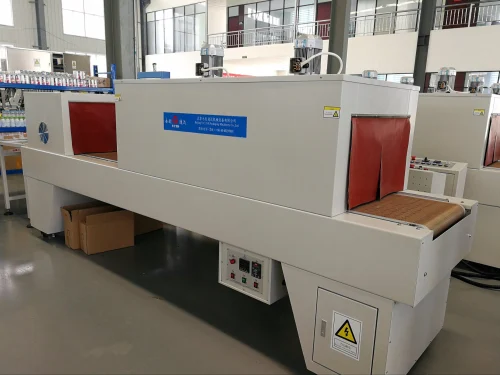
Shrink Tunnel
A shrink tunnel is a heat tunnel used in packaging, designed to shrink plastic film snugly around a product or group of products. Packaged items (typically wrapped in shrink film) are conveyed through a heated chamber where hot air (often from electric heaters) causes the film to contract tightly around the package. In short, it is a conveyorized oven that activates heat-shrink film
Type of Shrink Tunnel
Part of a packaging line, shrink tunnels finish sealing of shrink-wrapped packages (e.g. multi-packs of bottles, boxed products, promotional bundles). They can also be used for tamper-evident banding and sleeve packaging.
Technology:
Consists of an insulated chamber with heating elements (electric coils or infrared lamps) and fans to circulate hot air. A conveyor belt (mesh metal or plastic) moves products through. The machine controls temperature and belt speed to achieve proper shrink without overheating. Some tunnels have zoned heating (front/middle/back at different temps). Modern tunnels have digital temperature controllers and variable-speed drives.
Automation level:
Often fully automated as part of packaging lines. Operators feed the wrapped product onto the conveyor; the tunnel handles heating. Some systems automatically adjust for product height or employ sensors for control. Temperature and belt speed are set based on film type and product size, with minimal manual intervention.
Uses:
Commonly used in food & beverage (bottles, cans, snacks), pharmaceuticals (multi-packs of medicines), consumer goods (CDs/DVDs, toys), logistics (pallet wrapping with shrink film), and industrial products needing protective shrink wrap. Also in printing (to apply shrink sleeves on labels).
Raw materials used:
The frame is typically stainless steel or powder-coated steel (for durability and hygiene if used in food plants). Heating elements are nichrome or quartz lamps. The conveyor belt is often stainless steel mesh. Insulation materials line the chamber. Controls (thermostats, PLCs) are electrical components. Fans and blowers circulate air.
Engineering/design aspects:
Uniform heat distribution is critical; designers often use multiple fan/heater zones to avoid hot or cold spots. Insulation minimizes heat loss for energy efficiency. Airflow is directed to ensure film shrinks evenly (adjustable baffles or ducts). The conveyor must handle load weight and speed smoothly; drive motors need torque control. Safety features include emergency stops, thermal cutoffs, and safety curtains at entry/exit. Adequate ventilation is needed for exhaust fumes.
Applications in Various Industries
Food & Beverage: Packaging bottled water, beverages, dairy products, baked goods, frozen foods, and multipacks. Provides product protection and enhances shelf appeal.
Pharmaceuticals: Tamper-evident packaging for medications and medical devices.
Cosmetics & Toiletries: Securing product sets, providing tamper protection, and enhancing presentation.
Electronics: Protecting electronic components and products from dust and moisture.
Consumer Goods: Packaging toys, books, stationery, CDs/DVDs, and various retail items.
Printing & Publishing: Bundling magazines, brochures, and books.
Technology:
The core technology involves controlled heat distribution within the tunnel chamber. Infrared, radiant, or convection heating elements are used. Airflow systems (blowers and baffles) are critical to ensure uniform heat application around the product. Conveyor speed and temperature controls are adjustable to suit different film types and product sizes. Steam tunnels use precise steam injection systems.
Material Selection Considerations