
HOTLINE: +91 851-114-2701
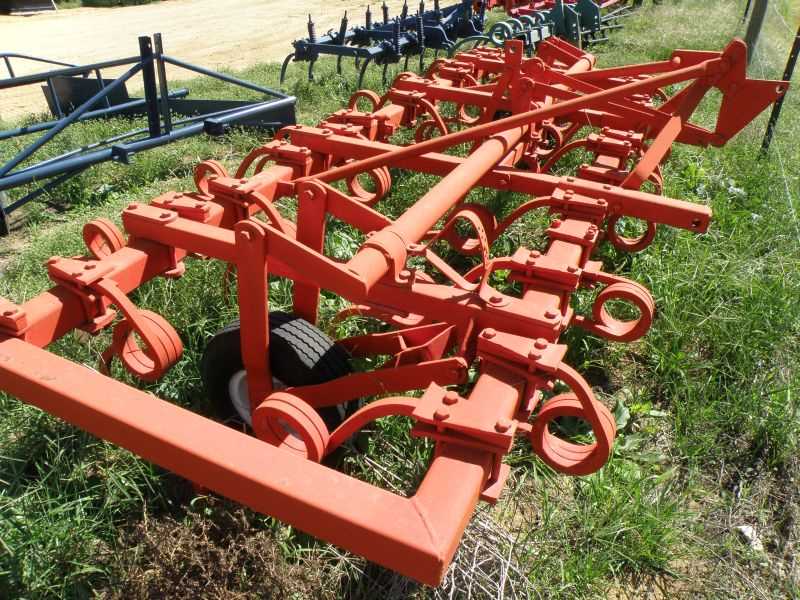
Cultivator
A cultivator is an agricultural implement used for secondary tillage, primarily for breaking up soil clods, preparing the seedbed, controlling weeds, and aerating the soil after initial plowing. Unlike plows that invert the soil, cultivators work the upper layer, often leaving plant residue on the surface, which helps with soil moisture retention and erosion control. Modern cultivators are typically tractor-mounted or towed.
Types of Cultivator
By Tine Type:
Spring Tine Cultivators: Have flexible, spring-loaded tines that vibrate to break up soil and allow residue to pass through without clogging. Good for stony or trashy ground.
Rigid Tine Cultivators: Have fixed, stiff tines that provide aggressive soil disturbance. Often used for breaking harder soil or deep tillage.
Duckfoot Cultivators: Tines with wide, flat "duckfoot" shaped shovels that cut weeds below the surface and provide good soil mixing.
Chisel Plows (heavy-duty cultivators): Have long, strong shanks (tines) that penetrate deep into the soil to break up compaction layers (hardpan) without inverting the soil.
Power Tillers/Rotary Cultivators (Rotavators): Use powered, rotating blades or tines to finely break up and mix the soil. Often used for seedbed preparation.
By Mounting:
Mounted Cultivators: Attached directly to the tractor's three-point hitch (front or rear).
Towed/Trailing Cultivators: Pulled behind the tractor, often larger units.
Self-Propelled Cultivators: Less common, typically for specialized row crop applications.
By Application:
Field Cultivators: Broad implements for general secondary tillage across fields.
Row-Crop Cultivators: Designed to cultivate between rows of planted crops, with adjustable spacing to avoid damaging plants.
Applications in Various Industries:
Seedbed Preparation: Creating a fine, uniform soil structure for optimal seed germination.
Weed Control: Uprooting and burying weeds, reducing the need for herbicides.
Soil Aeration: Improving air and water infiltration into the soil.
Residue Management: Incorporating crop residue into the topsoil.
Breaking Up Compaction: Chisel plows alleviate hardpan layers.
Technology:
Adjustable Tine Spacing & Depth: Allows for customization based on soil type, crop type, and desired tillage depth.
Hydraulic Lift Systems: For raising and lowering the implement for transport and field operation.
Auto-Reset Shanks: On some models, tines can "trip" over obstacles (rocks) and automatically reset to prevent damage.
Precision Farming Integration: GPS guidance and variable depth control for optimized tillage patterns.
Conservation Tillage Designs: Cultivators designed to leave more crop residue on the surface to prevent erosion and improve soil health.
Folding Frames: For larger cultivators, hydraulic folding mechanisms allow for narrower transport width.
Roller/Harrow Attachments: Often integrated at the rear to further break clods and level the seedbed.
Material Selection Considerations:
Tines/Shanks/Shovels:
FAQ's