
HOTLINE: +91 851-114-2701
1 listings from verified sellers across India
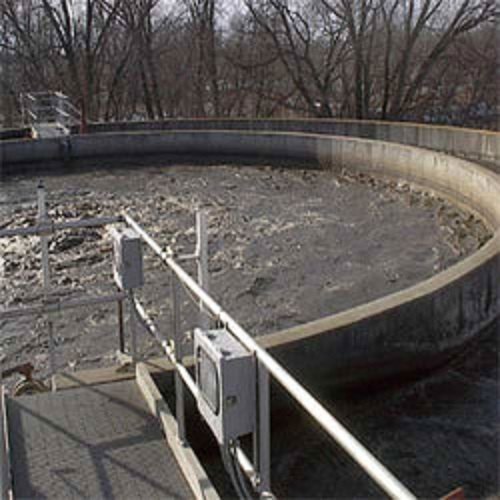
Sewage Treatment Plant (STP) systems play a vital role in managing wastewater generated from residential, commercial, industrial, and municipal sources. With increasing environmental regulations and water scarcity In Panchkula, the demand for efficient and sustainable sewage treatment solutions has grown rapidly. Indian Trade Bird serves as a reliable platform connecting buyers with trusted Sewage Treatment Plant manufacturers and suppliers In Panchkula, offering advanced, cost-effective, and compliant STP solutions.
Indian Trade Bird Sewage Treatment Plants (STPs) are essential systems designed to treat wastewater generated from residential, commercial, and industrial sources, ensuring safe disposal or reuse in line with environmental standards. These plants use multi-stage physical, chemical, and biological treatment processes to effectively remove pollutants, prevent water pollution, and protect public health. A typical STP includes primary treatment such as screening, grit removal, and sedimentation to eliminate large solids, followed by secondary treatment where biological processes break down organic matter. In some cases, tertiary treatment is applied for advanced purification, making treated water suitable for reuse in landscaping, cooling, or industrial applications. Depending on capacity and project requirements, technologies like activated sludge processes, trickling filters, MBBR, and other advanced treatment methods are employed, delivering efficient wastewater management and long-term environmental sustainability.
A Sewage Treatment Plant is a system designed to treat wastewater by removing contaminants, organic matter, and harmful microorganisms before the treated water is safely discharged or reused. STPs help protect water bodies, public health, and the environment while enabling water recycling for landscaping, flushing, and industrial use.
STP systems operate through a series of treatment stages:
1. Preliminary Treatment
Large solids, grit, and debris are removed using bar screens and grit chambers to protect downstream equipment.
2. Primary Treatment
Wastewater is allowed to settle in sedimentation tanks where heavier solids form sludge and lighter materials float for removal.
3. Secondary (Biological) Treatment
Microorganisms break down organic pollutants using processes such as:
4. Tertiary Treatment
Advanced filtration and disinfection methods like sand filters, carbon filters, UV, or chlorination improve water quality for reuse.
5. Sludge Treatment
Collected sludge is thickened, digested, and dewatered for safe disposal or reuse.
Indian Trade Bird features a wide range of STP technologies offered by leading manufacturers and suppliers:
STP systems are widely used across various sectors, including:
India is home to numerous experienced Sewage Treatment Plant manufacturers and suppliers offering customized solutions based on project requirements. Through Indian Trade Bird, buyers can easily connect with verified STP manufacturers and suppliers across India who provide:
Indian Trade Bird helps simplify vendor discovery, price comparison, and direct communication, making it a trusted B2B platform for wastewater treatment solutions.
Sewage Treatment Plant systems are essential for effective wastewater management and sustainable development In Panchkula. Whether you need an STP for residential, commercial, industrial, or municipal applications, Indian Trade Bird connects you with reliable Sewage Treatment Plant manufacturers and suppliers In Panchkula offering advanced, efficient, and cost-effective solutions.
A sewage treatment plant plays a vital role in improving public health and environmental sustainability within communities. It ensures proper treatment of wastewater, reducing pollution in water bodies and preventing the spread of waterborne diseases. Treated water can be safely reused for gardening, landscaping, or industrial purposes, helping conserve fresh water resources. Sewage treatment plants also support cleaner surroundings, reduce foul odors, and contribute to better living conditions. Overall, they promote sustainable urban development and a healthier community ecosystem.
Explore verified suppliers, compare technologies, and request quotes for Sewage Treatment Plant systems only on Indian Trade Bird.
We have the best deals for Top 10 sewage treatment plants at our Indian Trade Birds for our beloved consumers. We are leading manufacturer, supplier, exporter and retailer of Sewage Treatment Plant 135 KLD, Sewage Treatment Plant, STP Plant, HEXON Sewage Treatment Plant, Sewage Treatment Plant 10 KLD, Sewage Treatment Equipment, Package Sewage Treatment Plant, SEWAGE DRAINAGE PUMP, Sewage Water Treatment Plant, Commercial Sewage Treatment Plant, Prefabricated Packaged Sewage Treatment Plant, Industrial Sewage Treatment Plant, Domestic Sewage Treatment Plant, Sewage Treatment Plant For Hospital, providing high-quality solutions for industrial, commercial, and domestic wastewater management. Our advanced STP plants are designed to ensure efficient sewage treatment, easy operation, and long-lasting performance, making us the trusted choice for reliable, sustainable, and cost-effective sewage treatment systems across India.
Sewage Treatment | Sewage Treatment Plants | Sewage Treatment Plants (STPs) | Sewage Wastewater Treatment Plants | Sewage Treatment Plant Process | Sewage Treatment Plant Project | Sewage treatment PPT | Sewage Treatment Plant Manufacturers | Sewage Treatment Plant Supplier | Sewage Treatment Plants Near Me | Sewage Treatment Plants Types | Sewage Treatment Plants Exporters In Panchkula | Sewage Treatment Plants Manufacturing In Panchkula | Sewage Treatment Plants Retailers In Panchkula | Supplying Sewage Treatment Plants | Sewage Treatment Plants For Apartments | Eco-friendly Sewage Treatment Plants | Advanced Sewage Treatment Plants | Sewage Treatment Plants Supplier Near Me | Customized Sewage Treatment Plants | Automatic Sewage Treatment Plants | Small Sewage Treatment Plants | Sewage Treatment Plant Maintenance | Sewage Treatment Plant Installation | Sewage Treatment Plant Systems | Packaged Sewage Treatment Plant
Everything you need to know about sewage treatment plants
STP: Treats domestic sewage
ETP: Treats industrial effluents which may contain chemicals and toxic substances
Primary Treatment Plants – Remove large solids and sediments from wastewater.
Secondary Treatment Plants – Use biological processes to break down organic matter.
Tertiary Treatment Plants – Further purify water by removing nutrients, chemicals, and pathogens for safe discharge or reuse.
If this type of treatment is not done, it would be very difficult to maintain wastewater under control & to handle problems or diseases that would arise from air & water pollution.
The stages of sewage treatment plants are, 1. Screening & Pumping, 2. Grit Removal, 3. Primary Settling, 4. Aeration / Activated Sludge, 5. Secondary Settling, 6. Filtration, 7. Disinfection, 8. Oxygen Uptake,9. Sludge Treatment.
A Sewage Treatment Plant operates by airflow which stimulates the growth of bacteria to break down sewage. The aim of this treatment is to deliver much cleaner and environmentally friendly effluent.
The three main stages of the waste treatment process which is classified into Primary, Secondary & Tertiary Water Treatment.