
HOTLINE: +91 851-114-2701
9 listings from verified sellers across India

.jpg)
.jpg)
.jpg)
.jpg)
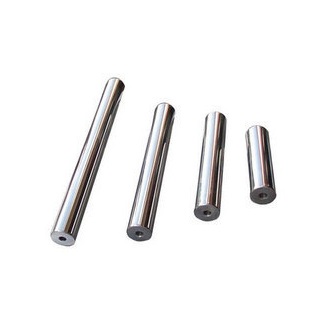
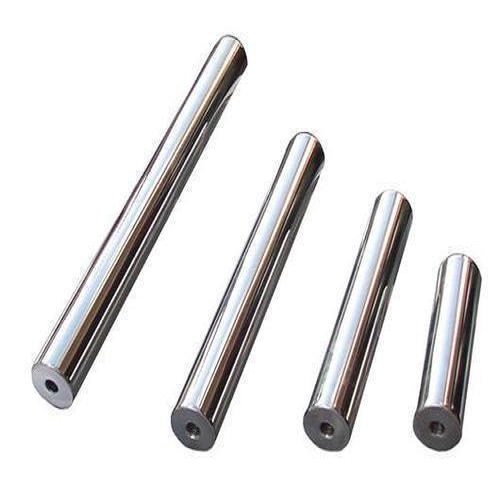
Magnetic rods — often called magnetic bars, magnetic separators, or magnetic rods for filtration — are simple yet powerful components used to remove ferrous contaminants from powders, granules, slurries and liquid streams. Typically consisting of a cylindrical stainless-steel housing that encases one or more high-strength permanent magnets (neodymium or ferrite) and a corrosion-resistant sheath, magnetic rods are designed to trap tramp iron, broken tool bits, nails, and other magnetic debris before they damage downstream equipment or contaminate finished products. Their core purpose is to protect machinery (pumps, mixers, crushers), improve product purity and quality, and reduce maintenance and downtime across many industrial and food-grade processes.
Magnetic rods are valued for their compactness, ease of installation (in chutes, pipes, hoppers or vibratory feeders) and minimal pressure drop in product flow. Many designs feature smooth, sealed surfaces for hygienic use (easy to clean and CIP-compatible) as well as protective coatings or housings suited for corrosive or high-temperature environments. Though conceptually simple, their role in contamination control makes them a standard element of modern material handling and processing lines.
Historically, magnetic separation has roots in the late 19th and early 20th centuries when magnetic drums and separators were developed for ore processing. As industries diversified, compact magnetic rods emerged as an economical solution for capturing small ferrous particles. The arrival of rare-earth neodymium magnets in the late 20th century significantly increased magnetic rod performance, enabling smaller diameters and higher holding forces suitable for fine powders and high-throughput lines.
Product Types & Specifications
Magnetic rods come in a range of classifications based on magnet strength, housing design, size, and intended application. Common ways the market segments them include:
By magnet material and strength
By housing and sheath
By configuration / design
By capacity / holding power
Rated by gauss or pull-force, or by holding force at a specified distance. Typical specs include surface gauss (mT) and maximum particle size capture. Manufacturers often provide performance curves and recommended spacing/number of rods per chute width.
Other specifications
Applications & Use Cases
We have the best deals for Top 10 Magnetic Rod at our Indian Trade Birds for our beloved consumers. We are leading manufacturer, supplier, exporter and retailer of Magnetic Rod, Top 10 Magnetic Rod, Magnetic Rod. This reduces the prices of the products and increases the profit margins. Our provided a Magnetic Rod is highly appreciated by our clients owing to its low maintenance and rugged construction. It is used for increased bulk density. Our manufactured Magnetic Rod is highly demanded in the market due to our maximum efficiency, effectiveness, and long working life. The provided a machine is assembled from the topmost quality component and ultra-modern technology.
Magnetic Rod Suppliers | Magnetic Rod Manufacturers | Magnetic Rod Exporters | Magnetic Separator Rod | Neodymium Magnetic Rod | Stainless Steel Magnetic Rods | Sanitary Magnetic Rods | Retractable Magnetic Rod | Magnetic Filter Rod | Magnetic Bar For Food Industry | Magnetic Rod For Pharma | Magnetic Rod For Powder Handling | Industrial Magnetic Rods | Magnetic Rod Price | Magnetic Rod Manufacturer India | Magnetic Separation Rod | Magnetic Rods For Mixers | Magnetic Rod Cartridge | High Gauss Magnetic Rod