HOTLINE: +91 851-114-2701
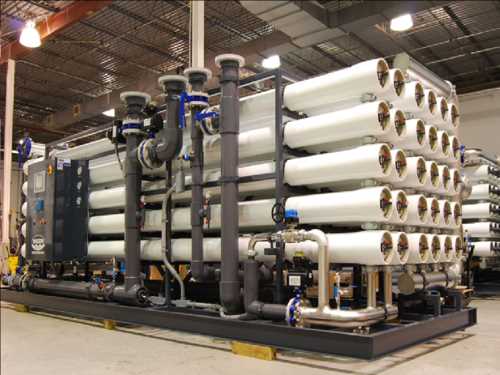
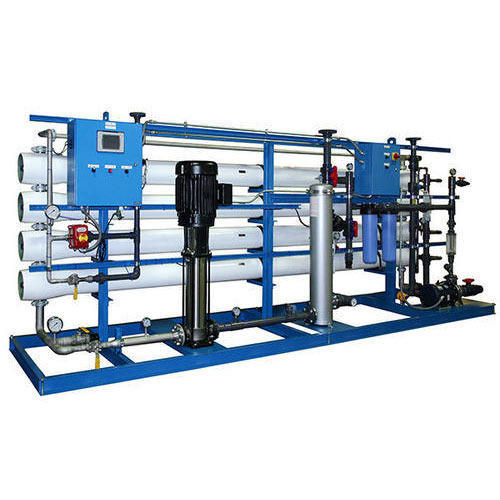
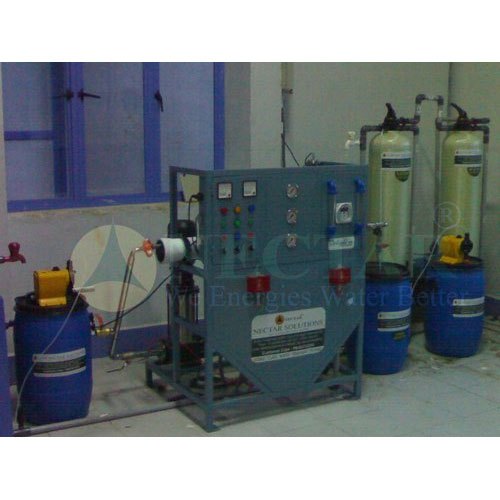
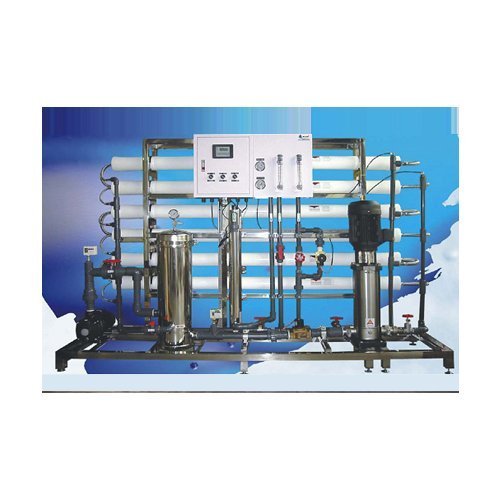
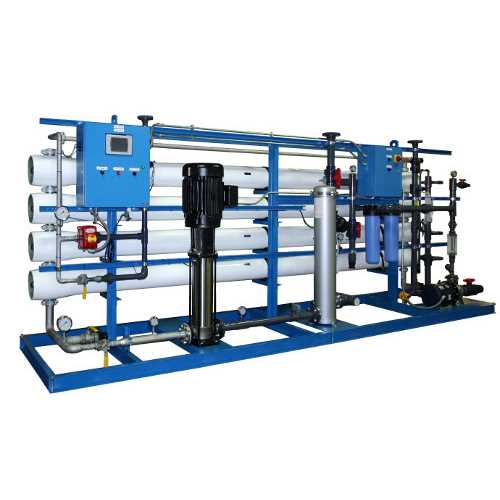
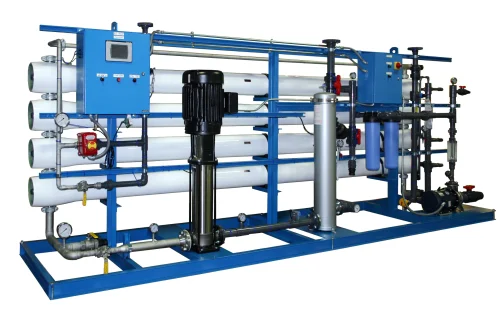
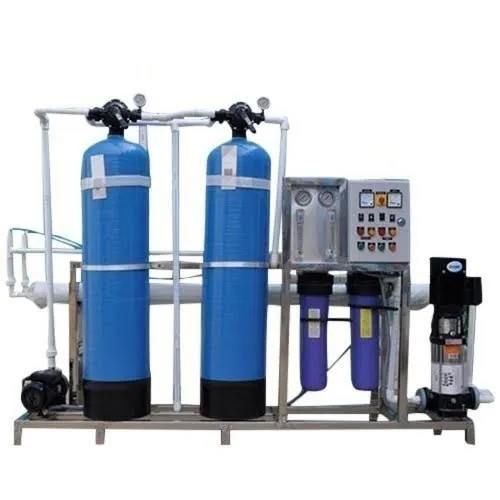
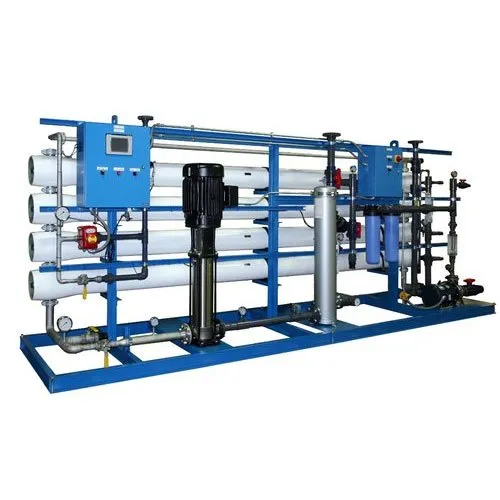
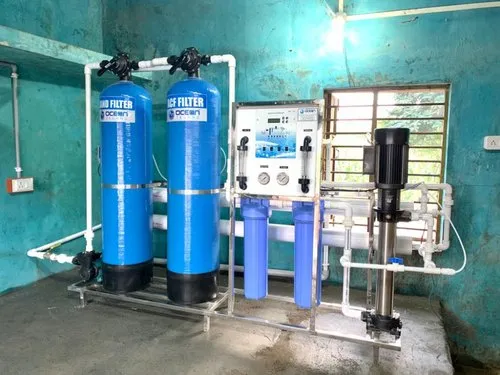
Indian Trade Bird provides a wide range of Reverse Osmosis Plants Manufacturers and Suppliers, offering high-quality RO plants designed to meet diverse customer requirements. A reverse osmosis plant is a high-performance water purification system designed to remove dissolved salts, impurities, microorganisms, and unwanted contaminants from water, delivering a continuous supply of purified water for a wide range of industrial, commercial, and residential applications. It plays a vital role in critical processes such as drinking water purification, industrial process water treatment, wastewater recycling, desalination, and maintaining precise water quality standards across multiple industries. Unlike basic filtration systems, RO plants are built for heavy-duty, high-capacity operations, ensuring powerful and consistent purification even in the most challenging environments.
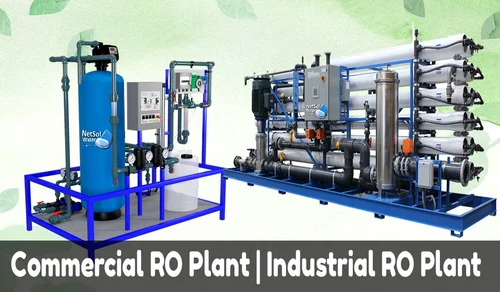
These plants operate by applying pressure to force water through semi-permeable membranes, making them essential for reducing TDS, removing harmful contaminants, improving water quality, and ensuring reliable performance in day-to-day operations. Reverse osmosis plants are extensively used in industries such as pharmaceuticals, food and beverage, power generation, textiles, electronics manufacturing, hospitals, hotels, and packaged drinking water units. Their robust construction, corrosion-resistant materials, and high-efficiency membranes ensure long service life, low maintenance, and excellent operational efficiency. RO plants are available in different types, including industrial RO plants, commercial RO plants, brackish water RO systems, seawater RO systems, and high-recovery RO plants, each specifically engineered to meet distinct water requirements and purification demands.
Whether it is for producing safe drinking water, purifying process water, managing wastewater, or meeting strict industry standards, reverse osmosis plants provide reliable, safe, and cost-effective water treatment solutions. In conclusion, a reverse osmosis plant is an essential component for improving water quality, enhancing operational efficiency, reducing contaminants, and maintaining optimal performance across a wide variety of industrial, commercial, and residential sectors.
Types of Reverse Osmosis Plants
Applications in Reverse Osmosis Plants
Material Selection Considerations
Material choice plays a critical role in the efficiency, durability, and safety of RO plants:
Advantages
Common membrane materials include polyamide thin film composites (TFC), cellulose acetate (CA) and cellulose triacetate (CTA) with the membrane material being spiral wound around a tube, or hollow fibers bundled together. RO membranes are rated for their ability to reject compounds from contaminated water. A rejection rate (% rejection) is calculated for each specific ion or contaminant as well as for reduction of total dissolved solids (TDS). TFC membranes have superior strength and durability as well as higher rejection rates than CA/CTA membranes. They also are more resistant to microbial attack, high pH and high TDS. CA/CTA’s have a better ability to tolerate chlorine.
Reverse Osmosis is a pressure-driven water purification process that removes dissolved salts, heavy metals, bacteria, and other contaminants. It works by forcing water through a semi-permeable membrane, separating pure water (permeate) from impurities (reject water). Reverse Osmosis Plants are more than just water purifiers—they’re a commitment to health, sustainability, and operational excellence. As one of India’s trusted manufacturers and suppliers, we’re proud to support homes, businesses, and industries in their journey toward cleaner water.
We have the best deals for Top 10 Reverse Osmosis Plant at our Indian Trade Birds for our beloved consumers. We are leading manufacturer, supplier, exporter and retailer of Reverse Osmosis Plant, 1000LPH RO Plant, Compact Body RO Systems 1000 LPH, Reverse Osmosis Water Plant, RO Water Treatment Plant, Reverse Osmosis Treatment Water Plant, Reverse Osmosis Plants,1500 LPH Industrial Reverse Osmosis Plant, 1000 LPH Industrial Ro Machinery, 500 LPH Industrial Ro Plant System, SS Reverse Osmosis Plant, Industrial RO System, 25 LPH Industrial RO System, Industrial Reverse Osmosis Plant 1000 LPH, offering world-class water purification solutions for industries, commercial spaces, and large-scale applications. Our advanced RO Water Treatment Plant range is designed to remove impurities, dissolved salts, and harmful contaminants, ensuring safe, clean, and high-quality water output. From compact systems like the 25 LPH Industrial RO System and Compact Body RO Systems 1000 LPH to heavy-duty units such as the 1500 LPH Industrial Reverse Osmosis Plant and Industrial Reverse Osmosis Plant 1000 LPH, we deliver reliable and efficient water treatment solutions tailored to different needs. With durable construction, advanced technology, and long-lasting performance, our Reverse Osmosis Plants are trusted by industries across India for sustainable and cost-effective water purification.
Popular searches
Reverse Osmosis Plants | Reverse Osmosis Process | 1000 Liter Reverse Osmosis Plants Price | Ro Water Plant Setup Cost | Reverse Osmosis Plant Manufacturers | Reverse Osmosis Plant Supplier | Ro Plant Manufacturers Near Me
FAQ's
What are the maintenance required for a RO water filter?
RO water filter maintenance includes regular replacement of pre-filters (every 6–12 months) to protect the membrane, and the RO membrane itself every 2–3 years to ensure effective filtration. Post-filters should be changed annually for taste and odor control.
What are the benefits of using a Reverse Osmosis Plant?
What is the capacity range of RO Plants?
Capacities range from 50 LPH (liters per hour) for domestic use to over 10,000 LPH for industrial applications.
How does a Reverse Osmosis Plant work?
The system applies pressure to water, forcing it through a membrane that blocks impurities while allowing clean water to pass through.
What is a Reverse Osmosis Plant?
A Reverse Osmosis (RO) Plant is a water purification system that uses the reverse osmosis process to remove dissolved salts, impurities, and contaminants from water. It works by forcing water through a semi-permeable membrane, which filters out unwanted substances such as chemicals, bacteria, viruses, heavy metals, and excess minerals, leaving behind clean and purified water.