
HOTLINE: +91 851-114-2701
Safety Clothes
Safety clothes, also known as personal protective clothing (PPC), are designed to protect individuals from potential hazards in the workplace. These clothes serve as a barrier against physical, chemical, biological, and environmental risks. Commonly used in various industries, safety clothes help minimize injuries and illnesses by providing protection from elements such as extreme temperatures, electrical hazards, sharp objects, toxic substances, and airborne pollutants. They are a crucial part of workplace safety protocols and are often required by regulatory agencies to ensure employee well-being and regulatory compliance.
Types of Safety Clothes
Protective Overalls
Protective overalls are full-body garments designed to cover the entire body. They are commonly used in hazardous environments where workers may be exposed to chemicals, dust, or extreme temperatures. Overalls can be made from flame-resistant, chemical-resistant, or waterproof materials, depending on the specific risk involved.
Flame-Resistant Clothing
Flame-resistant clothing is made from special materials that resist ignition and self-extinguish when exposed to flame. This type of clothing is used in industries such as oil and gas, mining, and fire-fighting. Common items include flame-resistant shirts, pants, jackets, and coveralls. These clothes help protect workers from fire-related risks and heat hazards.
Chemical-Resistant Clothing
Chemical-resistant clothing is designed to protect workers from exposure to hazardous chemicals. These clothes are typically made from materials like PVC, neoprene, or rubber that offer resistance to acid, alkali, or other chemical agents. They are essential in industries like pharmaceuticals, chemical manufacturing, and agriculture.
High-Visibility Clothing
High-visibility clothing is designed to make workers more visible in low-light or high-traffic areas. These clothes are usually brightly colored with reflective strips that enhance visibility in conditions such as night-time work or poor weather. They are commonly worn in construction, roadwork, and airport operations.
Heat-Resistant Clothing
Heat-resistant clothing is worn to protect against heat exposure in environments such as foundries, steel mills, and furnace operations. These clothes are made from heat-resistant materials like aramid fibers and are designed to prevent burns and heat stress. They can include jackets, pants, gloves, and boots.
Cold-Weather Clothing
Cold-weather clothing is designed to protect workers from cold temperatures and prevent conditions like hypothermia and frostbite. This type of clothing includes insulated jackets, gloves, thermal boots, and hats made from materials that retain body heat while allowing flexibility and comfort. They are essential in industries such as construction, oil exploration, and shipping.
Electrical Safety Clothing
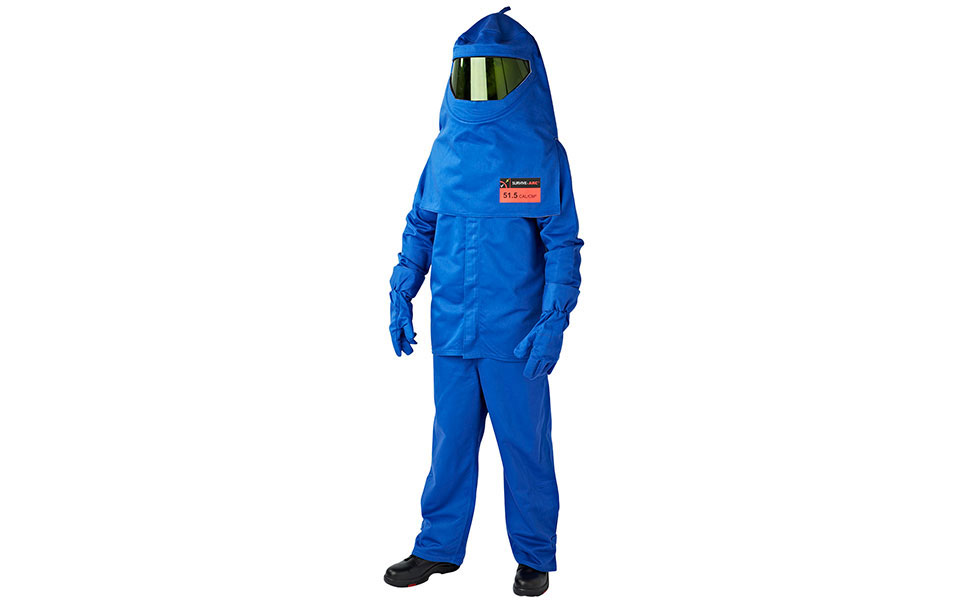
Electrical safety clothing, such as arc flash suits, is designed to protect workers from electrical hazards. These clothes are made from materials that provide resistance to electrical shocks and arcs. Electrical safety clothing often includes gloves, face shields, and insulating boots, and is used in industries such as power generation, electrical maintenance, and telecommunications.
Medical Protective Clothing
Medical protective clothing includes gowns, gloves, face masks, and goggles that protect healthcare workers from biological hazards such as bloodborne pathogens and infectious diseases. These garments are made from materials that are resistant to penetration by fluids and provide a barrier against contaminants. They are essential in healthcare settings like hospitals, clinics, and laboratories.
Cut-Resistant Clothing
Cut-resistant clothing is designed to protect workers from sharp objects that can cause cuts and lacerations. These clothes are typically made from high-strength materials like Kevlar or steel mesh, and are commonly used in industries such as manufacturing, construction, and food processing.
Impact-Resistant Clothing
Impact-resistant clothing is designed to protect against physical injuries caused by impacts, such as falls or blows from falling objects. This clothing includes padded jackets, trousers, and vests that help absorb shock and reduce injury. It is commonly used in industries such as construction, warehousing, and mining.
Applications in Various Industries
Construction Industry
In the construction industry, safety clothes like high-visibility vests, helmets, gloves, and boots are commonly used to protect workers from falling objects, extreme weather, and visibility issues. Personal protective clothing is critical for preventing injuries caused by construction site hazards, such as heavy machinery, sharp tools, and hazardous chemicals.
Oil and Gas Industry
Workers in the oil and gas industry face significant risks such as fires, chemical exposure, and extreme temperatures. Flame-resistant clothing, chemical-resistant suits, and heat-resistant garments are commonly used in this industry to protect employees from these hazards. High-visibility and impact-resistant clothing are also critical for ensuring safety in high-risk zones.
Healthcare Industry
Healthcare workers use medical protective clothing such as gloves, gowns, masks, and face shields to protect against the spread of infectious diseases and exposure to bodily fluids. This is particularly important in environments like hospitals, clinics, and laboratories, where exposure to bloodborne pathogens and other contaminants is common.
Manufacturing Industry
Manufacturing workers often require protective clothing such as cut-resistant gloves, aprons, and jackets to prevent injuries from sharp tools and machinery. Additionally, flame-resistant or chemical-resistant clothing is used in specific manufacturing environments where workers are exposed to high temperatures, hazardous chemicals, or molten materials.
Mining Industry
The mining industry presents multiple hazards, including falling debris, extreme temperatures, and chemical exposure. Safety clothing like impact-resistant suits, high-visibility vests, flame-resistant overalls, and steel-toe boots are commonly worn to protect miners from these dangers, ensuring that workers remain safe while performing their tasks underground or on the surface.
Agriculture and Farming
Agricultural workers use protective clothing such as waterproof clothing, gloves, and boots to protect against exposure to chemicals, pesticides, and harsh weather conditions. Chemical-resistant suits are especially important for workers handling fertilizers, herbicides, and insecticides, reducing the risk of chemical burns or inhalation injuries.
Food Processing Industry
In food processing, safety clothing includes aprons, gloves, and hairnets to prevent contamination of food products. Cut-resistant clothing is often worn by workers who handle sharp objects such as knives or slicing machines. The hygiene and protection provided by these garments ensure that the food remains safe for consumption and that workers remain injury-free.
Transport and Logistics
High-visibility clothing is essential for workers in transportation and logistics, especially those working in warehouses, shipping yards, and road construction. Reflective vests, jackets, and helmets help ensure that workers are visible in low-light conditions or areas with heavy vehicle traffic, reducing the risk of accidents.
Electrical Industry
In the electrical industry, electrical safety clothing such as arc flash suits, gloves, and face shields are used to protect workers from electrical shocks and arcs. These garments are designed to offer insulation against high voltage and help prevent severe burns, electrocution, and other injuries caused by electrical hazards.
Firefighting
Firefighting is a highly hazardous profession, and safety clothing such as fire-resistant suits, helmets, gloves, and boots is essential to protect firefighters from burns, heat stress, and toxic smoke. The protective clothing is designed to withstand extreme temperatures, providing a layer of protection during fires, hazardous material spills, and rescue operations.
Material Selection Considerations