
HOTLINE: +91 851-114-2701
11 listings from verified sellers across India

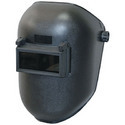


Welding equipment and machinery are essential for joining metal parts, assembling fabricated structures and manufacturing components used across industrial sectors. These systems support different joining techniques based on material properties, component thickness and production requirements. From small fabrication workshops to large manufacturing facilities, suitable welding equipment helps achieve reliable joints, controlled operations and consistent fabrication quality.
Different welding systems are designed to handle specific materials, joint configurations and production conditions.
Arc Welding Machines – Use electrical energy to generate heat and fuse metal components.
MIG Welding Machines – Feed a continuous wire electrode to support efficient metal joining.
TIG Welding Machines – Provide controlled welding for applications requiring precision and clean joints.
Gas Welding Equipment – Uses a fuel gas flame for joining, heating and metal repair operations.
Resistance Welding Machines – Apply pressure and electrical current to join metal surfaces, commonly in sheet metal work.
Automated Welding Systems – Support repetitive welding operations through mechanised or robotic processes.
Welding Positioners and Rotators – Hold and rotate components to improve accessibility during fabrication.
The welding process depends on the type of metal, joint design, production speed and required finish. Arc-based methods are widely used for general fabrication, while MIG and TIG processes offer different levels of control and productivity. Resistance welding supports sheet metal joining, whereas gas welding is used for selected heating and repair tasks. Choosing a suitable process helps match the welding operation to the component and its intended use.
A complete welding setup involves more than the welding machine itself. Power sources, electrodes, filler materials, torches, regulators, cables and workpiece holding equipment all contribute to the operation. Positioners and rotators help maintain suitable component orientation, while protective accessories support operator safety. Compatibility between these components is important for maintaining stable and efficient welding work.
The quality of a welded joint depends on several operating conditions, including heat input, welding speed, material preparation and joint alignment. Incorrect settings or poor preparation can lead to defects such as porosity, cracks, incomplete fusion and uneven welds. Appropriate equipment, skilled operation and inspection practices help maintain joint strength and fabrication standards.
Reliable Metal Joining – Support strong connections between compatible metal components.
Production Consistency – Help maintain uniform welding results across repeated operations.
Improved Fabrication Speed – Mechanised systems can reduce the time required for repetitive joining tasks.
Process Flexibility – Accommodate different materials, thicknesses and joint configurations.
Better Workpiece Handling – Positioners and rotators improve access to complex components.
Reduced Rework – Suitable equipment and controlled parameters help minimise welding irregularities.
Welding equipment supports manufacturing and maintenance activities in several industries.
Structural Fabrication – Joining beams, frames, support structures and metal assemblies.
Automotive Production – Fabricating vehicle bodies, chassis and metal components.
Heavy Machinery Manufacturing – Producing industrial equipment, machine frames and fabricated parts.
Pipeline and Tank Fabrication – Joining metal sections for pipelines, vessels and storage structures.
Railway and Transportation – Manufacturing and repairing metal assemblies and structural components.
Shipbuilding – Joining plates, sections and structural parts used in marine construction.
General Engineering Workshops – Carrying out customised fabrication, component assembly and repair work.
Selecting suitable welding machinery requires an understanding of the intended application and working environment. Material type, thickness, welding process, power availability and production volume should be considered before purchasing. Buyers should also evaluate equipment duty cycle, operating controls, portability, safety provisions, maintenance requirements and availability of technical support.
Explore welding equipment and machinery listed on Indian Trade Bird to connect with manufacturers, suppliers and dealers across India. Compare available equipment and supporting accessories based on your fabrication needs, production requirements and operating conditions.

