
HOTLINE: +91 851-114-2701
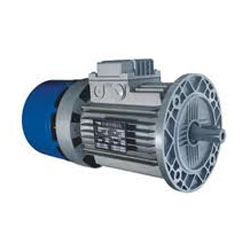
Brake Motors
A brake motor is an electric motor (AC or DC) with an integrated electromechanical brake that holds the motor shaft stationary when power is off. It is essentially an electric motor with a built-in disk brake, allowing controlled starts and stops.
Type of Brake Motors
Used wherever controlled stopping and holding of loads is needed. The brake (usually spring-applied, electrically released) engages automatically when the motor power is cut. This is critical in vertical lifting, conveyors, or any equipment where unintentional motion (due to gravity or momentum) must be prevented.
Technology
Typically a standard AC induction motor (or DC motor) is used, with a small drum or disc brake mounted on its shaft end. The brake has a spring that presses brake pads onto a drum when de-energized; applying electricity to a coil releases the brake. The motor and brake are matched to control torque and braking capacity. Many designs are modular so that different brake sizes can fit standard motor frames.
Automation level
The brake is electrically controlled (wired to the motor control circuit). During normal operation, a control signal (or the main motor supply) keeps the brake off; when stopping, cutting the signal engages the brake. Some systems use separate brake coils for fail-safe operation. They can be interfaced with drives (VFDs) and relays for automated stop/start with braking.
Uses
Very common in conveyors, hoists, cranes, lifts/elevators, palletizers, robotics, winding machines, printing presses, and stage/theater equipment
Any application requiring quick stops and no drift (e.g., machine tools, packaging machines) uses brake motors. They prevent loads from falling when power is lost.
Raw materials used
The motor housing is cast iron or aluminum. The brake disk is steel; pads may use friction material (similar to automotive brake pads). Springs are spring steel; the electromagnetic coil uses copper windings. Bearings and shafts are hardened steel. Electrical insulation is plastic or epoxy.
Engineering/design aspects
The brake torque must exceed the load’s torque to hold it safely; typically overrated by 25–50%. Brake material must handle high friction and wear; materials like sintered metal or resin-bonded fibers are used for pads. Ventilation of the brake area is considered to avoid overheating. Noise reduction (avoiding brake squeal) is also a design factor. Selection must ensure the brake engages reliably at all expected temperatures and in the presence of dust/oil.
Applications in Various Industries
Brake motors are used across material handling and lifting industries. For instance, they are installed on overhead cranes, jib cranes, winches, and elevators to hold the load when stopped
. In conveyor systems (warehousing, packaging), brake motors provide controlled stopping. In automotive and machinery manufacturing, they are found on assembly machines and presses. In entertainment/theater, brake motors control moving stages and scenery
. Essentially, anywhere safety demands a secure stop, brake motors are employed
Material selection Considerations