
HOTLINE: +91 851-114-2701
1 listings from verified sellers across India
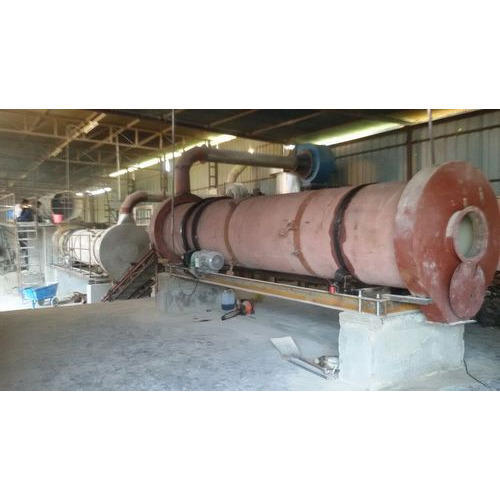
Granulator Machine
A granulator machine, also known as a size reduction machine or shredder, is used to convert larger materials into smaller, more uniform particles or granules. This process is essential for recycling, material processing, and waste management, enabling materials to be reused, processed further, or disposed of more efficiently.
Types of Granulator Machine
Plastic Granulators: Most common, used for recycling plastic scrap (films, bottles, pipes, injection molded parts) into re-usable granules.
Rubber Granulators: For processing waste rubber from tires, industrial rubber, etc., into crumbs for various applications.
Wood Granulators: For processing wood waste, sawdust, and biomass into granules for fuel (pellets) or other uses.
Cable Granulators: Specifically designed to separate metal (copper, aluminum) from insulation (plastic, rubber) in waste cables.
Pharmaceutical Granulators: Used to produce granules from powders in the pharmaceutical industry to improve flowability and compressibility for tablet manufacturing.
Food Granulators: For processing food waste or creating specific food ingredients.
Applications in Various Industries
Plastics Recycling: Central to the plastic recycling industry, processing post-industrial and post-consumer plastic waste.
Pharmaceuticals: Creating uniform granules from active pharmaceutical ingredients (APIs) and excipients to improve drug formulation and tablet production.
Chemical Industry: Size reduction of various chemicals for better mixing, reaction efficiency, or packaging.
Waste Management: Reducing the volume of waste for easier transportation, disposal, or further processing (e.g., RDF production).
Agriculture: Granulating fertilizers, animal feed, or biomass for energy.
Technology:
Granulators typically use a rotor with rotating blades that cut or shear material against stationary bed knives. Screens with specific hole sizes are used to control the output granule size. Some advanced granulators incorporate features like soundproofing, dust collection systems, and automated feeding/discharge. Wet granulators add a liquid binder during the granulation process, while dry granulators use mechanical compression.
Material Selection Considerations