
HOTLINE: +91 851-114-2701
3 listings from verified sellers across India
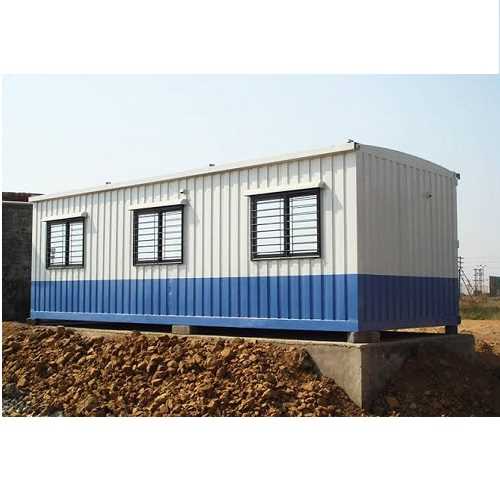
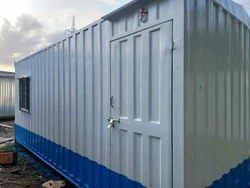
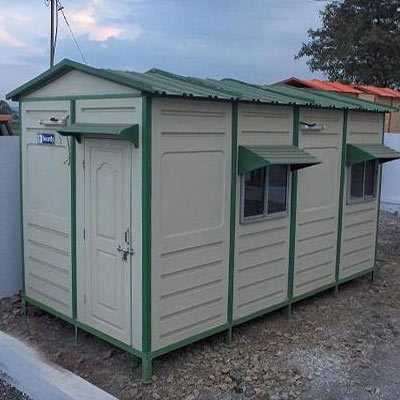
Office Cabins
Office cabins, also known as modular offices, portable cabins, or site offices, are self-contained, pre-fabricated structures designed to provide functional workspaces. They offer flexibility in terms of location, quick deployment, and cost-effectiveness compared to traditional construction. They can range from simple, single-person units to multi-room complexes.
Types of Office Cabins
Portable/Mobile Office Cabins: Designed for temporary use and easy relocation, often mounted on skids or wheels. Commonly used on construction sites.
Modular Office Cabins: Pre-fabricated sections assembled on-site to create larger, more permanent office spaces. Can be stacked or linked.
Flat-Pack Office Cabins: Delivered as disassembled panels for on-site assembly, often more cost-effective for shipping.
Custom-Built Office Cabins: Designed and manufactured to specific client requirements regarding size, layout, features, and aesthetics.
Specialized Cabins:
Security Cabins: For guard posts or entry points.
Acoustic/Soundproof Cabins: For noisy environments or for creating quiet zones.
Insulated Cabins: For extreme climates.
Cleanroom Cabins: For sensitive manufacturing or laboratory environments.
Toilet/Sanitation Cabins: Integrated restrooms.
Applications in Various Industries
Construction Industry: Site offices, meeting rooms, first-aid stations, security offices, storage. Allows for rapid establishment of a professional presence on remote or temporary sites.
Mining & Energy Sector: On-site administrative offices, control rooms, accommodation units in remote mining or oil/gas exploration camps.
Manufacturing Facilities: Additional office space within warehouses or factories, supervisor offices, quality control stations.
Retail & Commercial: Temporary sales offices, pop-up shops, ticket booths.
Education Sector: Temporary classrooms, administrative offices during renovations or expansions.
Healthcare: Temporary clinics, testing centers, administrative offices.
Event Management: Event offices, ticketing booths, control centers.
Emergency Services: Command centers, temporary shelters during disaster relief efforts.
Material Selection Considerations: