
HOTLINE: +91 851-114-2701
1 listings from verified sellers across India
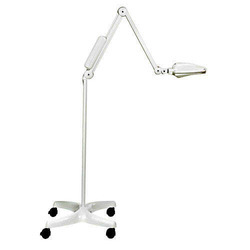
LED Lights
LED (Light Emitting Diode) lights are solid-state lighting devices that produce light when an electric current passes through a semiconductor material. They are highly energy-efficient, long-lasting, and environmentally friendly compared to traditional incandescent or fluorescent lighting.
Types of LED Lights
LED Bulbs: Replacement bulbs for incandescent and fluorescent fixtures (e.g., A-type, PAR, GU10, MR16, T8 tubes).
LED Fixtures: Integrated lighting units (e.g., downlights, panel lights, track lights, strip lights, streetlights, floodlights).
LED Displays: Screens for TVs, computers, smartphones, signage, billboards.
Automotive LEDs: Headlights, tail lights, interior lighting.
Specialty LEDs: UV LEDs (for curing, disinfection), IR LEDs (for remote controls, night vision), grow lights (for horticulture).
Smart LEDs: Dimmable, color-changing, and network-controlled lights.
Applications in Various Industries
Applications:
Residential (general lighting, decorative), commercial (offices, retail, hospitality), industrial (warehouses, factories), outdoor (streetlights, architectural, landscape), automotive, healthcare (medical devices), entertainment (stage lighting, displays), horticulture.
Technology:
Light Emitting Diode (LED Chip): The core component, typically made from semiconductor materials like Gallium Nitride (GaN), Indium Gallium Nitride (InGaN), or Aluminum Gallium Arsenide (AlGaAs). Blue LEDs coated with phosphors create white light.
Driver Circuit: Converts AC power to the DC power required by the LED chip and regulates current to ensure stable light output and longevity.
Heat Sink: Critical for dissipating heat generated by the LED chip, as excessive heat reduces efficiency and lifespan. Made of aluminum or other thermally conductive materials.
Optics: Lenses and diffusers shape and direct the light beam, providing desired beam angles and light distribution.
SMT (Surface Mount Technology): LEDs are typically mounted on printed circuit boards (PCBs) using SMT.
Color Temperature (CCT): Tunable white technology allows adjusting from warm white to cool white.
Color Rendering Index (CRI): Indicates how accurately a light source renders colors compared to natural light.
Smart Lighting: Integration with IoT platforms, Wi-Fi/Bluetooth connectivity, dimming protocols (DALI, 0-10V), occupancy sensors, daylight harvesting.
Miniaturization: Allows for flexible designs and integration into various products.
Material Selection Considerations